EN
EN

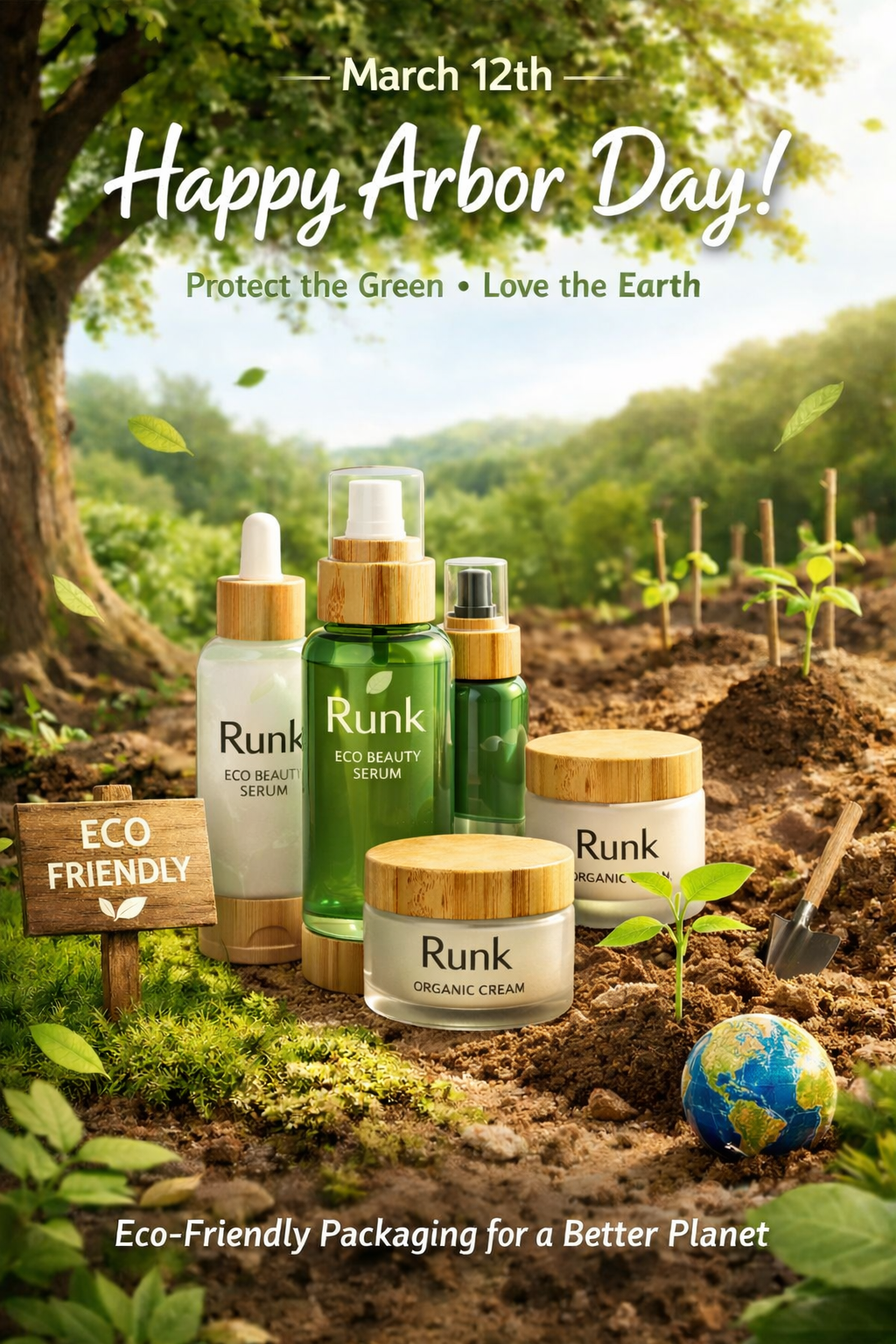
לחץ רגולטורי: הוראת האיחוד האירופי על אריזות ושאריות אריזות (PPWR), האחריות היצרנית המורחבת (EPR) והעמלות האקולוגיות המודולריות משנות את עולם האריזות לעורף טיפוח העור שניתנות למחזור
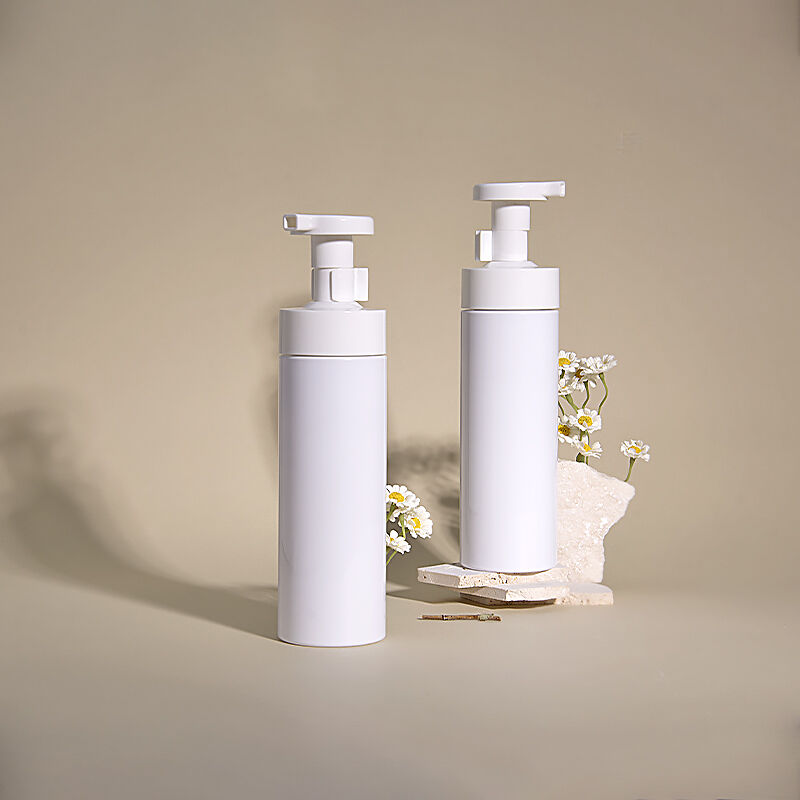
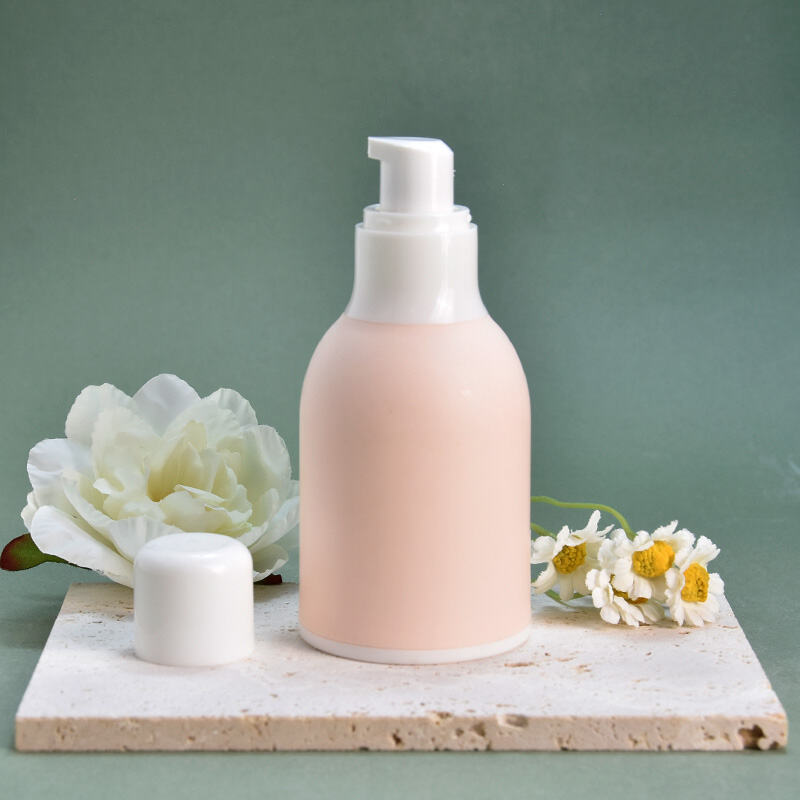
הוראת האיחוד האירופי על אריזות ושאריות אריזות (PPWR) כסטנדרט המנחה באריזות לעורף טיפוח העור שניתנות למחזור
מתחילת אוגוסט 2026, התקנות החדשות של האיחוד האירופי בנושא אריזות ושאריות אריזות (PPWR) ידרשו שכל מוצרי טיפוח העור יתאימו לסטנדרטים קשיחים של החזרה למחזור עד שנת 2030. הכללים באים ביסודם לאסור לחלוטין כל אריזה שאינה יכולה להיכנס לסללי מחזור רגילים, וכן לאסור כימיקלים מסוכנים כגון תרכובות ה-PFAS המוכרות לנו מהדיבובים האחרונים. החברות יצטרכו לסטנדרטיזציה של התוויות להחזרה למחזור כך שיתראו דומות לאורך כל אירופה. לפי ההנחיות הללו, לפחות שבעה מתוך עשרה סוגי חומרים לאריזה חייבים להיות תואמים למרכזי המחזור הקיימים תוך ארבע שנים. מותגים שלא יאמצו את השינויים עלולים למצוא את עצמם נחסמים מהשוק, אשר מהווה כ-400 מיליארד יורו של מוצרי יופי שנמכרים בכל יבשת אירופה מדי שנה. איום פיננסי שכזה מעורר את חברות רבות לשנות באופן מהותי את הגישה שלהן לאריזות המוצרים כבר עכשיו.
סכימות אחריות יצרנית מורחבת (EPR) והערכות RAM המאכיפות אחריות חומרית
המסגרת של אחריות יצרן מורחבת (EPR) פירושה שחברות טיפוח העור חייבות כעת לשלם על ניהול אריזותיהן מההתחלה ועד הסוף, כולל איסופן, מיוןן והגעה למחזורן בפועל. במרכז הביטחון שהמערכת תפעל כראוי נמצאות ההערכות הללו, הנקראות RAM, אשר מעניקות ציונים לחומרים על סמך גורמים כגון משך הזמן הדרוש לפירוקן (שאליו יש להגיע תוך שלוש דקות) ומידת החומר הנותר הדבוק בהן לאחר ניקוי (שיש להישאר מתחת לחמישה אחוזים). אם אריזה מקבלת פחות מ-25 נקודות מתוך 100 בסולם זה, החברות נאלצות לשלם קנסות — עובדה המניעה אותן להשתמש באריזות מרובדות ומורכבות. ראו מה קרה לאחר שהמערכת RAM הוטבעה באירופה: כמעט מחצית ממותגי טיפוח העור שם שינו את עיצוב האריזות שלהם בתוך 18 חודשים בלבד. עובדה זו מראה בבירור שאם החברות יודעות שיאשימו אותן באחריות, הן נוטות לפשט את החומרים שבהם משתמשות באופן מהיר למדי.
תעריפי אקולוגיה ממודולטים: תמריצים פיננסיים ישירים לאריזות טיפוח עור מונומטריאליות ומחזירות מחזור מלא
מערכת האגרות ל-EPR המודולציה אקולוגית קושרת באופן בסיסי את הסכום שחברות משלמות למידת הידידותיות לסביבה של אריזותיהן. מוצרים המיוצרים מחומר בודד זוכים להנחות משמעותיות באגרות אלו. לדוגמה, צינורות אלומיניום פשוטים או מיכלים פלסטיים המיוצרים לחלוטין מחומרים מחוזרים יכולים לחסוך עד 2 סנט למוצר. לעומת זאת, אם חברות בוחרות בדרכים אחרות ומייצרות אריזות מרובות שכבות ומסובכות, הן נאלצות לשלם תוספות, אשר לעיתים עולות על 50% מהשיעורים התקנים. בשל גישה זו למתן מחירים, רוב המוצרים החדשים הנמצאים במלאי כיום מגיעים באריזות שניתן למחזר שוב ושוב. כאשר בוחנים את המספרים, כשלושה מתוך ארבעה מוצרים חדשים בתחום טיפוח העור שהושקו באירופה ובצפון אמריקה כבר משתמשים בסוג זה של אריזות ברות-קיימא. חברות שעברו לשימוש באריזות כאלה מוקדם יותר מסרנו כי חשבונות ההתאמה השנתיים שלהן ירדו בכ-18%. למרות שעשוי להיות מחיר מסוים במונחי גמישות בעיצוב, היתרונות הסביבתיים בשילוב עם החסכונות הכלכליים האמיתיים הופכים מעבר זה למשנה חשיבות עבור רבות מהעסקים.
ביקוש הצרכנים: כיצד אמון, שקיפות והתנהגות קנייה מניעים את האימוץ של אריזות לעורף שיכולים להישרף
73% מהצרכנים הגלובליים של טיפוח העור מעדיפים אריזות ברות-תפוקה—גורם רכישה שאינו ניתן לוויתור עליו
כ-73% מהאנשים ברחבי העולם שקונים מוצרים לטיפוח העור רואים אריזות ברות-תפוקה לא רק כדבר נחמד להחזיק, אלא כדבר הכרחי בימינו, במיוחד בקרב דורות הצעירים יותר כמו דור Z והميلניולים, אשר מוכנים לשלם סכום נוסף על מוצרים שמתעניינים באמת בסביבה. חברות המציעות אפשרויות אמיתיות למחזור יוצרים קשרי לקוחות חזקים יותר. כאשר מותגים פתוחים בנוגע לרכיבים מהם עשויה האריזה שלהם, לאן היא נשלחת לאחר השימוש, ומציגים אישורים אקולוגיים תקפים, זה יוצר אמון ומשפיע מאוד על החלטת הקנייה של הצרכן. עמידות אינה מונח טרנדי עוד; היא הופכת לחלק מהאופן שבו אנו שופטים מותגים בכלל. מותגים שלא נוקטים בגישה רצינית ליצירת מערכות מעגליות תקינות עומדים בפני בעיות כספיות ממשיות בעתיד, החל מאיבוד מקומות תצוגה חשובים בחנויות ועד לירידה בדירוג תוצאות החיפוש באינטרנט.
מאמצים להגביר את המאבק בגירוי ירוק (Greenwashing) ודרישות חובה לסימון אריזות – מגבילים את האמינות של טענות על אריזות לטיפוח העור שניתנות למחזור
תקנות קשיחות נגד טענות סביבתיות שקריות גורמות לאנשים להתייחס בקפדנות רבה יותר למה שהם קונים וקובעות סטנדרטים גבוהים יותר למוצרים ירוקים אמיתיים. שינויים אחרונים בתוויות באיחוד האירופי דורשים כעת אייקונים ברורים למחזור ומידע ספציפי sobre החומרים המשמשים, במקום תוויות מעורפלות כמו "ידידותיות לסביבה." חוקים חדשים אלו פועלים יחד עם מסגרת התקנות על אריזות ושאריות אריזות, ובאופן בסיסי אוסרים על חברות לטעון שמוצר מסוים ניתן למחזור אם הוא לא מתאים בפועל למערכות הפסולת הקיימות. יש צורך בהוכחות, לא רק במילים יפות. ארגונים כגון RecyClass וכן הדף המספרי של המוצר (Digital Product Passport) שנמצא בפיתוח על ידי המנשיה האירופית תומכים בטענות אלו. למרות שהן עדיין מתפתחות, יוזמות אלו נותנות לצרכנים כלים טובים יותר לזהות מאמצים אמיתיים לקיימות לעומת חברות שמתאמצות להראות טוב בלי לשנות הרבה.
חדשנות בחומרים: מעבר לאגדות לפתרונות אריזות לעשויי קוסמטיקה שניתן למחזר באמת וניתנים להרחבה
למה אפשרויות ביו-התנפצות וביו-סילוק פוגעות במושג החזרה למעגל—ולמה פלדה טהורה, אלומיניום ופלסטיק PCR הם המובילים
הבעיה עם מה שנקרא אריזות מתכלות ומתכלות היא שזה לא באמת עובד עם האופן שבו מערכות הפסולת שלנו פועלות כיום. רוב מפעלי הקומפוסטציה התעשייתיים לא יקבלו את בקבוקוני טיפוח העור הקטנים האלה מכיוון שעדיין נותרו בהם כימיקלים מחומרים משמרים וכל דבר אחר שהיה במוצר. וכאשר הביופלסטיק הזה מגיע למזבלות, הוא פשוט מתפרק לחתיכות פלסטיק זעירות שנשארות לנצח, וזה גם לא טוב לאיכות הקרקע. אבל תסתכלו על מתכות - אלומיניום ממוחזר בשיעור של כ-95% מבלי לאבד איכות, בעוד שגם פלדה מתקרבת עם כ-88% שימוש חוזר לאחר העיבוד. יתרה מזאת, שימוש בפלסטיק ממוחזר לאחר צריכה מפחית את ייצור הפלסטיק החדש בכ-70% לטון, על פי מחקר שנערך לאחרונה על ידי מקינזי משנת 2023. מחקר זה מציע שאם נגדיל את השימוש ב-PCR בקוסמטיקה בלבד, נוכל לחסוך שמונה מיליון טונות של פסולת אריזות מדי שנה עד 2030. מה שמייחד את החומרים האלה הוא יכולתם לעבור מחזורי מיחזור מרובים (בדרך כלל בין חמש לשבע פעמים) לפני שהם הופכים לבלתי שמישים. שימוש חוזר מסוג זה הגיוני כגישה מעשית ליצירת מערכות מעגליות באמת בתעשיית היופי, שבהן מוצרים צריכים לתפקד היטב לאורך זמן.
עיצוב חומר-יחיד כדרישת היסוד לעיצוב יעיל אריזות לטיפוח העור שמתאימות לחזרה למעגל
הבעיה הגדולה ביותר במתקני המחזור כיום? אריזות רב-שכבות, כמו אלו של פלסטיק עם שכבת אלומיניום שאנו רואים בכל מקום. חומרים אלו גורמים לכ־78% מכל הפריטים המושלכים מכיוון שלא ניתן להפריד אותם כראוי בתהליכי עיבוד מכניים. לכן החברות עוברות לאפשרויות של חומר בודד במקום. נתחו למשל בקבוקי PET מחזוריים ב־100% או בצקיות אלומיניום חלקות שלא מעורבות בחומרים נוספים כלל. כאשר מפעלי המחזור יכולים למיין את הפריטים הללו בקלות רבה יותר, המכונות שלהם מסוגלות לעבד פי שלושה פריטים בשעה בהשוואה לעיבוד חומרים מעורבים. אם יצרנים רוצים שהמוצרים שלהם ייחשפו למחזור בהצלחה, קיימות שלוש דרישות מפתח שעליהם להתמקד בהן כבר בשלב ההתחלה.
- רכיבים בעלי רזין בודד , כולל משאבות הבנויות לחלוטין מחומר פולימרי אחד (למשל: פעילים מ־PP בלבד ללא קפיצים מתכתיים)
- דבקים растворים במים לתייגים כדי למנוע זיהום של תהליך המיון
- צבענים סטנדרטיים שאינם מפריעים אשר שומרים על טהרת הפולימר במהלך עיבוד מחדש
| מאפיין חומר | אריזה מרובה חומרים | אריזה חד-חומרית |
|---|---|---|
| תפוקת החזרה למחזור | ≈ 22% (RecyClass 2023) | 89–95% |
| עלות עיבוד | 740 דולר לטון | 290 דולר לטון |
| אגרוף פחמן | 3.1 ק"ג CO₂e לק"ג | 1.4 CO₂e/ק"ג |
המעבר הזה לא רק עומד בדרישות ה-PPWR — הוא מקטין את עמלות ה-EPR המודולריות-אקוולוגיות עד 40%, מה שמוכיח שמתן דגש על משמעת תכנון בסיסית הוא הפעולה בעלת ההשפעה הגבוהה ביותר שמותר למותגים ליישם כדי להיענות לדרישות הרגולציה, לשפר את היעילות הכלכלית ולעמוד באוטנטיות של קיימות.
שאלה נפוצה
מהי התוכנית האירופית לאריזות ולפסולת אריזות (PPWR)?
התוכנית האירופית לאריזות ולפסולת אריזות (PPWR) היא תקנות המחייבת מוצרי טיפוח העור הנמכרים באיחוד האירופי לעמוד בתקנים מחמירים של החזרה למחזור עד שנת 2030, כולל איסור על חומרים כימיים מסוכנים מסוימים והטמעת תוויות אחידות להחזרה למחזור.
איך פועלות עמלות מודולריות-אקוולוגיות?
עמלות מודולריות-אקוולוגיות הן חלק מהמערכת של ה-EPR, ומשנות את גובה העמלות שמשלמים החברות בהתאם להשפעה הסביבתית של האריזות שלהן. אריזות המורכבות מחומר אחד בלבד זוכות לעמלות נמוכות יותר, ובכך מעודדות בחירה באפשרויות בר-חזרה למחזור על פני אריזות מורכבות ולא ברות-חזרה למחזור.
למה מעדיפים עיצובים המורכבים מחומר אחד בלבד עבור אריזות ברות-חזרה למחזור?
עיצובים מונומטריאליים מועדפים מכיוון שהם מפשיטים את תהליכי המחזור. אריזות מומריה אחת הן קלות לעיבוד במתקני מחזור, מה שמביא לשיעורי מחזור גבוהים יותר ולחיסכון בעלויות.
אילו חומרים מובילים באריזות ברות-תפיסה?
חומרים כגון פלדה טהורה, אלומיניום ופלסטיות ממחזור של צרכנים (PCR) מובילים באריזות ברות-תפיסה בשל היכולת הגבוהה שלהם להיחצל ולמחזר מספר פעמים.
תוכן העניינים
- לחץ רגולטורי: הוראת האיחוד האירופי על אריזות ושאריות אריזות (PPWR), האחריות היצרנית המורחבת (EPR) והעמלות האקולוגיות המודולריות משנות את עולם האריזות לעורף טיפוח העור שניתנות למחזור
- ביקוש הצרכנים: כיצד אמון, שקיפות והתנהגות קנייה מניעים את האימוץ של אריזות לעורף שיכולים להישרף
- חדשנות בחומרים: מעבר לאגדות לפתרונות אריזות לעשויי קוסמטיקה שניתן למחזר באמת וניתנים להרחבה
- שאלה נפוצה