EN
EN


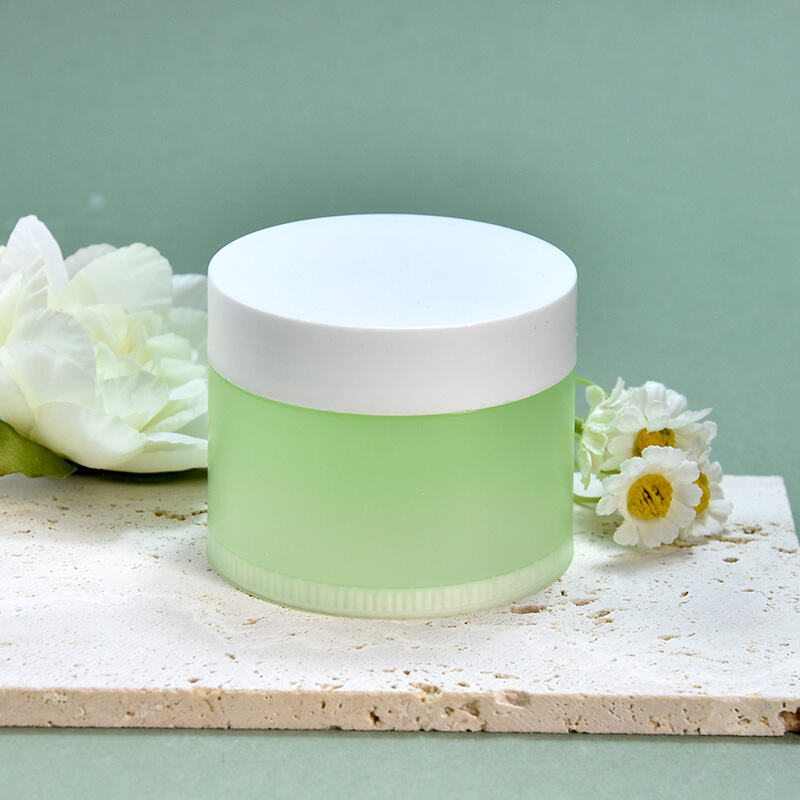
Psychologia stojąca za ekskluzywnymi słoikami kosmetycznymi i natychmiastowym sygnalizowaniem luksusu
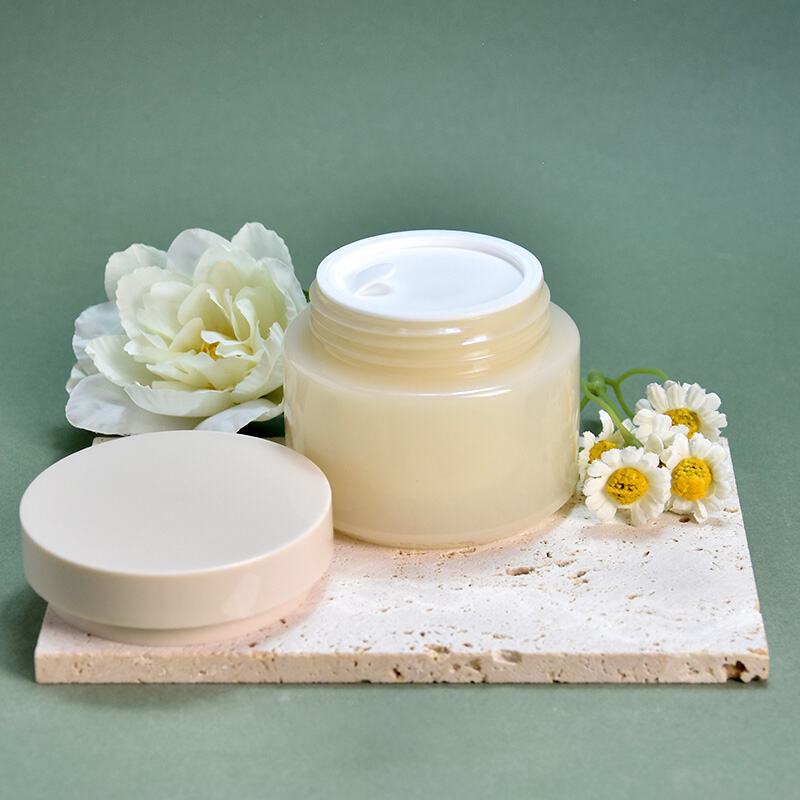
Odczuwalna waga, przejrzystość wizualna oraz rytuały otwierania jako podświadome bodźce budujące zaufanie
Cięższe słoiki sygnalizują wysoką jakość poprzez odczuwalną gęstość materiału – konsumenci luksusowych kosmetyków konsekwentnie kojarzą znaczną wagę z wyższą wartością produktu i integralnością formuły. Przezroczyste szkło wzmacnia percepcję czystości, eksponując tekstury i odcienie formuł, co jest kluczowym czynnikiem, biorąc pod uwagę, że 72% kupujących kosmetyki deklaruje, że przejrzystość opakowania bezpośrednio wpływa na decyzje zakupowe. Magnetyczne zamknięcia, obciążone nakrętki i przemyślana sekwencja otwierania tworzą wielozmysłowe rytuały, które aktywują ośrodki nagrody w mózgu, przekształcając rutynowe stosowanie w chwile aspiracji. Te dotykowe interakcje budują podświadome zaufanie. przedtem rozpoczyna się już w momencie użycia produktu — przekształcając opakowanie w pierwszy punkt emocjonalnego zaangażowania.
W jaki sposób projekt słoików wywołuje oczekiwania kategorii u konsumentów produktów do pielęgnacji skóry
Elementy projektowe działają jako wizualne skróty: szklane słoiki z matowaną powierzchnią natychmiast kojarzą się z serum przeciwstarzeniowymi; minimalistyczne pojemniki metalowe sugerują aktywne składniki o klinicznym stopniu czystości; szerokie otwory wskazują na bogate, sensoryczne tekstury; pompy bezpowietrzne przekazują wiadomość o naukowo udowodnionej skuteczności. Z czasem te skojarzenia stają się automatycznymi skrótami poznawczymi – umożliwiając markom natychmiastową komunikację pozycji luksusowej bez konieczności stosowania wyraźnych komunikatów. Spójne zastosowanie kształtu, materiału i wykończenia wpisuje produkty do mentalnego katalogu konsumentów zawierającego premiumowe rozwiązania do pielęgnacji skóry, wzmacniając dopasowanie do kategorii oraz autorytet marki.
Innowacje materiałowe w eleganckich słoikach kosmetycznych: równowaga między zrównoważonością, urokiem sensorycznym a wpływem na wystawę w sklepie
Szkło, aluminium i akryl z recyklingu (PCR) — kompromisy wydajnościowe dla premiumowych formuł
Marki premium w branży beauty stają przed subtelnymi decyzjami dotyczącymi wyboru materiałów podczas projektowania eleganckie słoiczki kosmetyczne szkło zapewnia niezrównaną przejrzystość, chłodne na wyczucie dotykanie oraz wrażenie trwałości — ale zwiększa masę przesyłki, ryzyko uszkodzenia i ślad węglowy. Aluminium oferuje doskonałą ochronę barierową przed światłem i tlenem — idealne dla niestabilnych składników czynnych, takich jak retinol lub witamina C — jednak pozbawia przejrzystości i ma chłodniejszy, bardziej przemysłowy profil sensoryczny. Akryl z recyklingu po zużyciu (PCR) umożliwia lekkość, wytrzymałość, złożone kształty i intensywne barwienie, choć niektórzy konsumenci luksusowi nadal kojarzą go z masowym rynkiem, a nie prestiżem. Profile zrównoważoności różnią się istotnie: szkło można recyklingować w nieskończoność; udział materiału z recyklingu w aluminium wynosi średnio 68% w skali branży; akryl PCR odwraca odpady plastikowe od składowania, ale wymaga starannego doboru źródeł, aby uniknąć zielonego mydlenia. Optymalny wybór uwzględnia ochronę funkcjonalną, zgodność sensoryczną z głosem marki oraz weryfikowalne deklaracje środowiskowe.
Dlaczego 92% konsumenów luksusowych ufa szkłu z recyklingu po zużyciu (Euromonitor, 2023)
Recyklingowane szkło dominuje w budowaniu zaufania konsumentów do luksusowych marek, ponieważ spełnia jednocześnie dwa nieustęplne oczekiwania: niezawisłą, premium estetykę oraz autentyczną zrównoważoność. Zgodnie z badaniem Euromonitor z 2023 roku, 92% klientów luksusowych produktów kosmetycznych aktywnie preferuje słoiki ze szkła zawierającego surowiec pochodzący z recyklingu (PCR), nie jako kompromis, lecz jako potwierdzenie wartości zgodnych z luksusem opartym na zrównoważoności. Wynika to z obojętnego składu szkła (brak interakcji z składnikami), udokumentowanej zdolności blokowania promieni UV oraz jego możliwości zachowywania stabilności wysokostężonych formuł o cenie przekraczającej 120 USD. Masa szkła, jego przewodnictwo cieplne oraz refrakcyjna przejrzystość wzmacniają sygnały luksusu, jednocześnie spełniając oczekiwania ekologicznie świadomych konsumentów. Kluczowe znaczenie ma jednak weryfikowalność: 58% konsumentów sprawdza deklaracje dotyczące zrównoważoności, korzystając z certyfikatów niezależnych organizacji trzecich, takich jak Cradle to Cradle lub SCS Global Services – co czyni przejrzyste źródła surowców i etykietowanie elementem niezbędnym, a nie opcjonalnym.
Strategiczna personalizacja luksusowych słoików kosmetycznych w celu wzmocnienia tożsamości marki
Wytłaczanie, powierzchnie matowe i powłoki UV jako charakterystyczne elementy marki
Elementy projektowe oddziałujące na zmysł dotyku przekształcają luksusowe słoiczki kosmetyczne w ciche ambasadorzy marki. Wytłaczane loga wywołują podświadomą rozpoznawalność poprzez kontakt z opuszkiem palca — badania wykazują, że powierzchnie teksturowane zwiększają zapamiętywalność o 23% w porównaniu do gładkich odpowiedników. Matowe powłoki przekazują umiarkowaną wyrafinowanie, odpowiadając preferencjom konsumentów luksusowych, którzy cenią sobie subtelny urokliw, a nie jawne luksusowe efekty. Powłoki UV pełnią podwójną funkcję: wzmocniają kontrast wizualny dzięki wysokiej połyskliwości i głębi. i chronią barwniki i składniki czynne przed degradacją fotochemiczną. Każda z tych obróbek musi odzwierciedlać kluczowe wartości marki — matowe powierzchnie sygnalizują ekologicznie świadome wyrafinowanie; metaliczne akcenty sugerują innowacyjność i precyzyjne inżynierię. Gdy są stosowane z intencją, te detale nie tylko różnicują produkt na półce — wzbogacają także emocjonalny związek z grupą docelową.
Granice funkcjonalności: gdy nadmiar estetyczny kompromituje higienę lub użyteczność
Wyjątkowość estetyczna nie może nigdy podważać podstawowej użyteczności ani bezpieczeństwa. Zbyt skomplikowane tłoczenie może utrzymywać bakterie w mikroskopijnych szczelinach, naruszając standardy higieny dla opakowań typu „otwarte słoiczki”. Śliskie powłoki UV zwiększają ryzyko upuszczenia o 18% – zgodnie z audytami bezpieczeństwa kosmetyków, co jest szczególnie problematyczne w przypadku ciężkich szklanych pojemników. Typowymi błędami są głęboko wcięte wieczka, które obciążają paznokcie, zbyt duże otwory narażające formuły na działanie powietrza i zanieczyszczeń lub dekoracyjne foliowanie, które odpryskuje do kremów podczas wielokrotnego użytkowania. Wiodące marki minimalizują te ryzyka dzięki rygorystycznemu tworzeniu prototypów: każdy słoiczek przechodzi ponad 100 cykli otwierania/zamykania, symulacje narażenia na mikroorganizmy oraz testy obciążenia ergonomicznego. Dzięki temu dekoracyjne detale wzbogacają – a nie podważają – zaufanie konsumentów, zachowując zarówno integralność produktu, jak i rytuał luksusu.
Gotowi podnieść pozycję swojej premiumowej marki dzięki niestandardowym, eleganckim słoiczkom kosmetycznym?
Ekskluzywne słoiki kosmetyczne stanowią podstawę pozycjonowania luksusowego, natychmiastowego zaufania konsumentów oraz wyróżnienia się na półce dla marek kosmetyków premium — żadna linia prestiżowa nie może maksymalizować swojego wpływu na rynek przy użyciu ogólnodostępnych, tanich opakowań słoikowych. Łącząc wysokiej klasy materiały, projekt z myślą o odczuciu sensorycznym, innowacje z zakresu zrównoważonego rozwoju oraz niestandardowe wykończenia dostosowane do tożsamości marki i potrzeb Twojej formuły, uzyskasz wyższą postrzeganą wartość produktu, silniejszą lojalność klientów oraz trwałą, prestiżową wartość marki.
W przypadku przemysłowych, niestandardowych, ekskluzywnych słoików kosmetycznych zaprojektowanych specjalnie dla Twoich linii premium pielęgnacji skóry, makijażu oraz środków do pielęgnacji ciała, skorzystaj z usług producenta posiadającego ponad 15-letnie doświadczenie w dziedzinie opakowań kosmetycznych na całym świecie. Runk Packaging oferuje kompleksowe rozwiązania OEM/ODM, z 10 000 ㎡ nowoczesna baza produkcyjna, ponad 20 zautomatyzowanych linii produkcyjnych oraz miesięczna zdolność produkcyjna przekraczająca 8 milionów sztuk. Specjalizujemy się w dostosowywaniu wysokiej klasy słoików ze szkła, aluminium oraz akrylu PCR, w tym wytłaczaniu, matowieniu, powłokach UV, magnetycznych zatrzaskach oraz opracowywaniu wyłącznych form własnych (ponad 20 niestandardowych form rocznie, bezpłatnie dla klientów VIP). Nasz kompleksowy system kontroli jakości na wszystkich etapach produkcji oraz obsługa logistyczna na skalę globalną zapewniają, że Twoje luksusowe słoiki spełniają najwyższe standardy wymagane przez marki kosmetyczne na całym świecie. Skontaktuj się z nami już dziś, aby uzyskać bezpłatną konsultację bez zobowiązań oraz bezpłatny niestandardowy próbkę do stworzenia wyjątkowych, premium słoików kosmetycznych.
Często zadawane pytania
Dlaczego waga słoików kosmetycznych ma znaczenie w luksusowym opakowaniu?
Waga słoików kosmetycznych ma znaczenie, ponieważ konsumenci luksusowi kojarzą cięższe słoiki z wysoką jakością, gęstością materiału oraz wyższą wartością produktu. Wrażenie dotykowe związane z wagą buduje podświadomą zaufanie jeszcze przed użyciem produktu.
Jaką rolę odgrywa wybór materiału w projektowaniu słoików kosmetycznych?
Wybór materiałów, takich jak szkło, aluminium i akryl z recyklingu po zużyciu (PCR), wiąże się z unikalnymi korzyściami oraz kompromisami. Szkło zapewnia niezrównaną przejrzystość i wrażenie dotykowej luksusowości; aluminium zapewnia doskonałą ochronę barierową przed światłem i tlenem; natomiast akryl PCR gwarantuje lekkość i trwałość, wspierając jednocześnie zrównoważony rozwój.
W jaki sposób projekt słoików wpływa na zachowanie konsumentów?
Projekt słoików działa jako wizualny skrót – konkretne materiały, kształty i wykończenia kojarzone są z luksusem, skutecznością lub określonymi kategoriami produktów, takimi jak serum przeciwstarzeniowe czy składniki o działaniu klinicznym. Takie skojarzenia pozwalają markom na natychmiastową komunikację swojej pozycji na rynku.
Dlaczego zrównoważony rozwój jest ważny w opakowaniach marek luksusowych?
Zrównoważony rozwój stał się niezbędnym czynnikiem dla konsumentów marek luksusowych; materiały takie jak szkło z recyklingu po zużyciu (PCR) są szczególnie cenione ze względu na ich ekologiczny charakter oraz luksusową estetykę. Przejrzyste praktyki z zakresu zrównoważonego rozwoju wzmacniają również zaufanie konsumentów.
Jakie są typowe wyzwania związane z równoważeniem estetyki i funkcjonalności w projekcie słoików?
Do najczęstszych wyzwań należą unikanie skomplikowanego tłoczenia, które zatrzymuje bakterie, zapobieganie zbyt śliskim powłokom oraz zapewnienie, że pokrywki i otwory spełniają standardy higieny i użytkowania, zachowując przy tym luksusową estetykę.
Spis treści
- Psychologia stojąca za ekskluzywnymi słoikami kosmetycznymi i natychmiastowym sygnalizowaniem luksusu
- Innowacje materiałowe w eleganckich słoikach kosmetycznych: równowaga między zrównoważonością, urokiem sensorycznym a wpływem na wystawę w sklepie
- Strategiczna personalizacja luksusowych słoików kosmetycznych w celu wzmocnienia tożsamości marki
- Gotowi podnieść pozycję swojej premiumowej marki dzięki niestandardowym, eleganckim słoiczkom kosmetycznym?
-
Często zadawane pytania
- Dlaczego waga słoików kosmetycznych ma znaczenie w luksusowym opakowaniu?
- Jaką rolę odgrywa wybór materiału w projektowaniu słoików kosmetycznych?
- W jaki sposób projekt słoików wpływa na zachowanie konsumentów?
- Dlaczego zrównoważony rozwój jest ważny w opakowaniach marek luksusowych?
- Jakie są typowe wyzwania związane z równoważeniem estetyki i funkcjonalności w projekcie słoików?