EN
EN


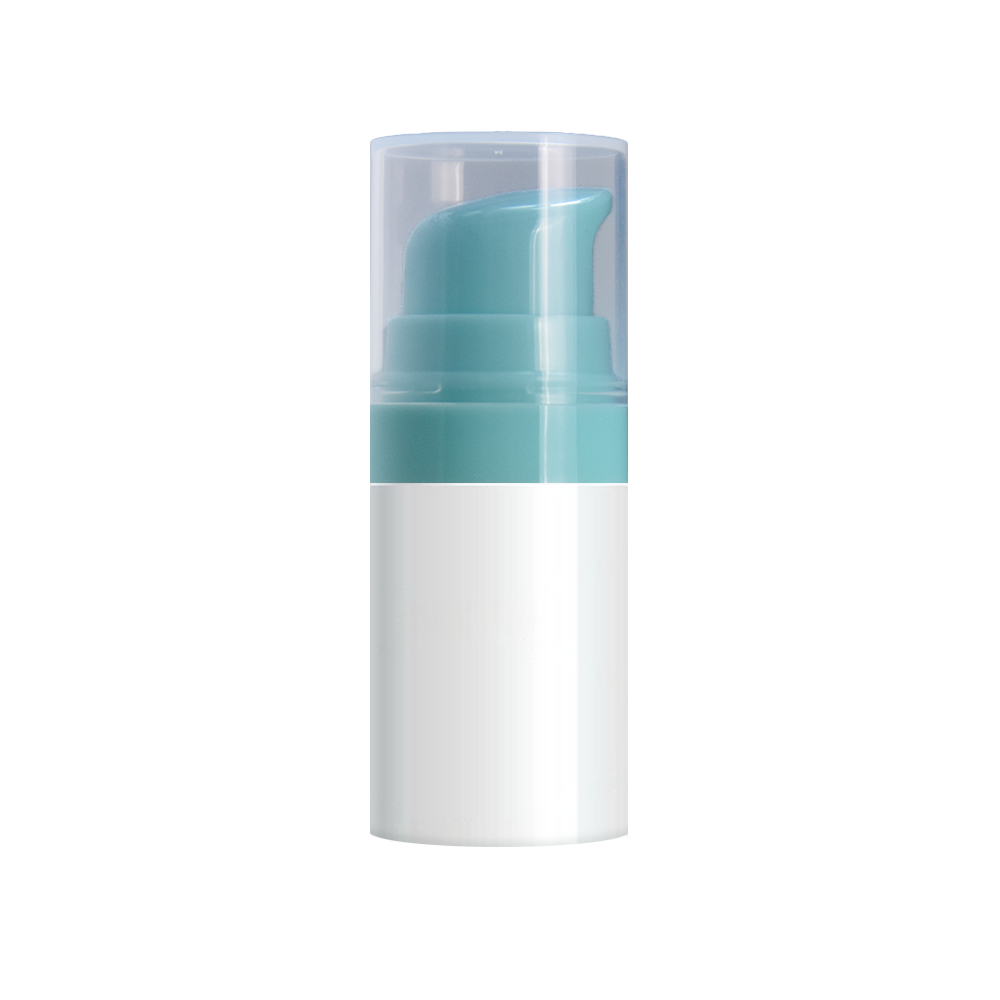
Индустрија лепоте генерише милионе тона отпада од паковања годишње, али рециклиране козметичке амбалаже нуди трансформативни пут ка стварној одрживости. Рециклирана козметичка паковања представљају више од еколошког избораодражавају фундаменталну промену у начину на који брендови и потрошачи приступају одговорној лепоти. Укључивањем рециклираних материјала у козметичке контејнере, произвођачи смањују зависност од неискоришћених ресурса, минимизирају оптерећење депонирања и сигнализују аутентичну посвећеност управљању животном средином. Овај прелаз од конвенционалне на рециклиране козметичке амбалаже покреће мерељив еколошки утицај, истовремено задовољавајући растућу потрошачку потражњу за транспарентним, одговорним праксама одрживости.
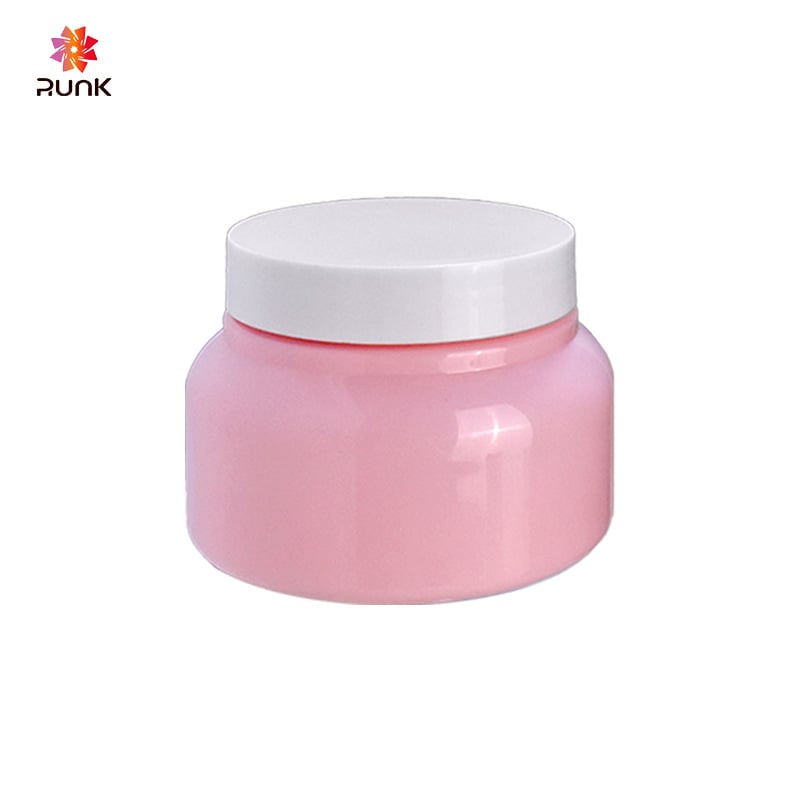
Разумевање рециклиране козметичке паковање захтева испитивање састава материјала, стандарда перформанси, механике ланца снабдевања и стварне примене у различитим секторима лепоте. Модерна рециклирана козметичка паковања интегришу пост-конзумерске и пост-индустријске материјале у теглице, флаше, цевице и диспензере, док одржавају строге стандарде безбедности, издржљивости и естетике. Прелазак ка рециклираним козметичким паковањима убрзава се док се регулаторни оквири оштре, свест потрошача продубљава, а производња иновација смањује историјске јазве у квалитету између рециклираних и нециклираних алтернатива.
Композиција материјала и производња
Разумевање извора рециклираног материјала
Рециклирана козметичка паковања потичу из два примарна материјала: материјала за пост-конзумер који се прикупљају из програма за одлагање потрошача и пост-индустријског остатка који се ствара током производних процеса. Косметичка паковања која се рециклирају након потрошње обично потичу из кућних контејнера који су раније коришћени за личну негу, пића или производе из хране који су завршили свој почетни животни циклус. Ови материјали се прикупљају, сортирају, чисте и обрађују путем механичког или хемијског рециклирања пре него што се поново израде у нове рециклиране козметичке паковачке контејнере. Постиндустријска рециклирана козметичка паковања долазе из производних отпада, редова или производних одсека који никада не долазе у употребу потрошача, представљајући чистији, контролисанији ток материјала који поједностављава обраду за произвођаче рециклираних козметичких паковања.
Техничке перформансе и стандарди квалитета
Модерна рециклирана козметичка паковања морају да испуњавају исте регулаторне стандарде као и алтернативне пластичне паковање, укључујући услове за усклађеност са ФДА, тестирање стабилности и баријере за перформансе који осигурају интегритет производа током целог периода трајања. Квалитет рециклиране козметичке паковање у великој мери зависи од прецизности сортирања, уклањања контаминације и технологије репроцесирања која враћа молекуларна полимерска својства упоредива са првом сировином. Напредни произвођачи рециклиране козметичке паковање користе спектроскопску анализу, раздвајање густине и протоколе хемијске обраде који стварају материјал који испуњава спецификације козметичке индустрије за транспарентност, крутост, хемијску отпорност и стабилност боје. Рециклиране козметичке упаковне формуле често укључују додатке из неискоришћених материјалаобично од 5 до 20 одстода би се ојачао структурни интегритет и испунили захтевни критеријуми перформанси без угрожавања користи за животну средину.
Еколошки и пословни утицај рециклиране козметичке амбалаже
Угледни и ресурсни користи из животног циклуса
Прелазак на рециклиране козметичке пакотине смањује емисије угљеника у производњој фази за око 50 до 70 посто у поређењу са производњом пластике, у зависности од врсте материјала, извора рециклирања и удаљености транспорта. Рециклирана козметичка паковања сачувају значајне количине сировине нафте, ресурса слатке воде и производне енергије, а истовремено одвијају материјал са депонија или путева сагоревања. Једно прелазак у рециклиране козметичке пакотине од стране средње величине козметичког бренда може спречити стотине тона годишње емисије, а истовремено смањити потражњу за екстракцијом полимера. Кумулативна еколошка предност широког усвајања рециклиране козметичке упаковке простире се преко више категорија утицаја: допринос клими, очување воде, очување станишта и ублажавање исцрпљења ресурса који се одражавају на обавезе корпоративних одрживости и очекивања заинтере
Позиционирање на тржишту и поверење потрошача
Брендови који спроводе рециклиране козметичке амбалаже демонстрирати оштру посвећеност одрживости која диференцира позиционирање на тржишту и јача лојалност потрошача, посебно међу демографским групама које су свесне околине. Прозрачност у вези са садржајем, извозом и користима цикла живота рециклиране козметичке паковање гради кредибилност и оправдава стратегије премијених цена које одражавају праве инвестиције у одрживост. Рециклирана козметичка паковања служе као видљиви знак бренда који комуницира усклађивање вредности са очекивањама потрошача у вези са одговорношћу према животној средини. Истраживања тржишта показују да 73 одсто глобалних потрошача сматра да је одржливост у одлукама о куповини, што чини рециклиране козметичке амбалаже стратешким средством које утиче на намеру куповине, перцепцију бренда и дугорочно задржавање клијената у конкурентним категоријама лепоте.
Изазови имплементације и разматрања ланца снабдевања
Техничке и производне препреке
Увеђење рециклиране козметичке упаковке захтева значајна предходна инвестиција у инфраструктуру за прикупљање, технологију сортирања, опрему за прераду и системе за валидацију квалитета који повећавају оперативну сложеност и капиталне захтјеве. У складу са снабдевањем рециклираним козметичким амбалажама и даље је изазов због променљивог квалитета материјала након потрошње, сезонских флуктуација укупљања и регионалних логистичких ограничења који отежавају планирање производње и управљање инвентаризацијом. Варијација боје у рециклираној козметичкој амбалажикоји је посебно приметан у транспарентним или транспарентним контејнериматреба прилагођавање формуле или естетско прихватање које може бити у супротности са установљеним визуелним стандардима бренда. Производња рециклиране козметичке паковање у великој мери захтева софистициране протоколе за откривање контаминације, тражимости материјала и регулаторне документације који додају оперативне накнаде у поређењу са конвенционалним снабдевањем пластиком.
Стратегијска оптимизација ланца снабдевања
Успешна имплементација рециклиране козметичке амбалаже захтева партнерство са сертификованим објектима за рециклирање, успостављање партнерства за прикупљање у затвореном циклусу и инвестирање у системе праћења материјала који обезбеђују транспарентност ланца снабдевања и усклађеност са регулатива Брендови који се баве рециклираним козметичким паковањима имају користи од поетапних приступа усвојењапочињући са компонентама секундарне паковања, док се одржавају конвенционалне рециклиране козметичке паковање за примарне контејнерекоје балансирају амбиције одрживости Стратегије за унапред размишљање рециклиране козметичке паковање укључују партнерства организација одговорности произвођача, учешће у програму повратка и екосистеме рециклираних контејнера који продужују животни циклус материјала и максимизују вредност циркуларне економије. Диверзификација ланца снабдевања међу више добављача рециклиране козметичке упаковке смањује ризик од једног извора, док подржава конкурентне цене и доследну доступност материјала неопходних за комерцијално распоређивање у великој мери.
Често постављене питања
Да ли је рециклирана козметичка паковања једнако безбедна као и чиста пластична за козметичке производе?
Да, рециклирана козметичка паковања испуњавају исте регулаторне стандарде безбедности као и првобитни алтернативи када их производе сертификовани произвођачи који прате ФДА и међународне смернице. Погледљиви произвођачи рециклиране козметичке паковање користе строга испитивања, скрининг контаминације и протоколе валидације материјала који осигурају компатибилност са козметичким формулацијама и безбедност потрошача. Безбедност рециклиране козметичке паковање у потпуности зависи од контроле квалитета произвођача, транспарентности снабдевања и усклађености са успостављеним фармацеутским и козметичким стандардима паковања, што чини сертификацију и верификацију треће стране неопходним критеријумима за процену.
Колико коштају рециклиране козметичке амбалаже у поређењу са конвенционалним опцијама?
Цене рециклиране козметичке паковање обично се крећу од 10 до 25 посто изнад конвенционалне пласте из новоизграђене пластике због трошкова прикупљања, инфраструктуре сортирања и сложености репроцесирања, иако економије скале и повећана потражња на тржишту настављају да смањују Велики обим наруџбина рециклиране козметичке паковање постиже цене ближе првим алтернативама, јер произвођачи распоређују инфраструктурне инвестиције преко већих производних серија. Инвестицијска разлика за рециклиране козметичке пакотине често се оправдава вредношћу диференцијације бренда, спремношћу потрошача да плате премије за одрживост и усклађивањем са обавезама предузећа у области животне средине које оправђују повећање оперативних трошкова.
Да ли се рециклирана козметичка паковања могу прилагодити дизајну одређеног бренда?
Апсолутно, рециклирана козметичка паковања подржавају широку прилагођавање укључујући модификације облика, формулације боја, апликације етикета и спецификације затварања еквивалентне девичанским алтернативама. Модерни произвођачи рециклиране козметичке паковање нуде сличну флексибилност дизајна, иако одређене опције боја или нивои транспарентности могу укључивати дуже време извршавања или веће минималне наруџбе. Уско сарађивање са добављачима рециклиране козметичке упаковке током фаза пројектовања осигурава техничку изводљивост, истовремено оптимизујући и естетску визију и циљеве одрживости, без компромиса ни једног од приоритета.
Брз одговор
Шта је рециклирана козметичка паковања?
Опаковања израђена од рециклираних материјала после потрошачког или постиндустријског коришћења, прерађена у теглице, флаше, цевице и диспензере који испуњавају стандарде за безбедност и перформансе козметичке класе.
Колико СО2 штеди?
Прелазак на рециклиране козметичке паковање смањује емисије угљеника у фази производње за око 50–70%у поређењу са производњом необрађене пластике.
Да ли је сигурно за козметичке производе?
Да, ја сам. Сертификована рециклирана козметичка паковања испуњавају исте стандарде ФДА и међународних регулаторних стандарда као и девствена пластика, са строгим скринингом контаминације и валидацијом квалитета.
Колико више кошта?
Обично 10–25%уколико се у овом случају не буде постигла ефикасност, то ће бити више него у конвенционалној пластици, иако се јаз и даље смањује како се производња и инфраструктура узрастају.