EN
EN

Isang Kompletong Gabay sa mga Materyales ng Bote para sa Emulsyon: PET, PP, PETG at Iba Pa
Sa industriya ng kosmetiko at personal na pangangalaga, ang pakete ay gumaganap ng mahalagang papel sa parehong proteksyon ng produkto at presentasyon ng brand. Sa gitna ng maraming opsyon sa pakete na available, ang mga bote ng emulsyon ay malawakang ginagamit para sa mga lotion, moisturizer, serum, at iba pang pormulasyon para sa pangangalaga ng balat.
Ang gabay na ito ay tatalakayin ang pinakakaraniwang mga materyal para sa bote ng emulsyon ng kosmetiko, upang tulungan ang mga brand ng kagandahan na pumili ng pinakamahusay na solusyon sa pakete para sa kanilang mga produkto sa pangangalaga ng balat.
Ano ang Emulsion Bottle?
Ang isang bote ng emulsyon ay isang lalagyan ng pakete na idinisenyo upang ilabas ang likido o semi-likidong mga produkto para sa pangangalaga ng balat, karaniwang gamit ang isang bomba o mekanismo ng dispenser. Ginagamit ang mga bote na ito karaniwan para sa:
Mga moisturizer para sa mukha
Mga lotion para sa katawan
Mga serum
Mga lotion laban sa araw
Mga emulsyon para sa pangangalaga ng buhok
Dahil ang mga produktong ito ay kadalasang naglalaman ng mga aktibong sangkap at sensitibong mga pormulasyon, ang materyal na ginagamit para sa bote ay dapat magbigay ng tamang proteksyon, katatagan, at kaginhawahan sa paggamit.
Bakit Mahalaga ang Pagpili ng Materyal sa Pakete ng Kosmetiko
Ang pagpili ng tamang materyal para sa pakete ay nakaaapekto sa ilang mahahalagang kadahilanan:
Paggamot ng Produkto
Ang ilang mga pormula para sa pangangalaga ng balat ay sensitibo sa liwanag, hangin, o mga reaksyon sa kemikal. Ang mga de-kalidad na materyal ay nanghihigpit sa kontaminasyon at pinapanatili ang epekto ng produkto.
Estetika ng Brand
Ang materyal ng pakete ay nakaaapekto sa hitsura at pakiramdam ng produkto, mula sa mga transparenteng bote na ipinapakita ang pormula hanggang sa mga luho at frosted na huling pagkakagawa.
Kapanaligang Pagtitipid
Ang mga konsyumer ay unti-unting pinipili ang mga eco-friendly na packaging para sa kosmetiko, kaya ang mga maaaring i-recycle na materyales tulad ng PET at PP ay naging mas popular.
Kostong Epektibo
Iba-iba ang gastos sa pagmamanupaktura ng iba't ibang materyales, na maaaring makaapekto sa kabuuang badyet sa produksyon ng mga brand ng kagandahan.
Mga Bote ng PET Emulsion
Ano ang PET?
Ang PET (Polyethylene Terephthalate) ay isa sa pinakakaraniwang ginagamit na plastik sa packaging ng kosmetiko. Kilala ito sa kanyang mahusay na kalinawan, lakas, at magaan na katangian.
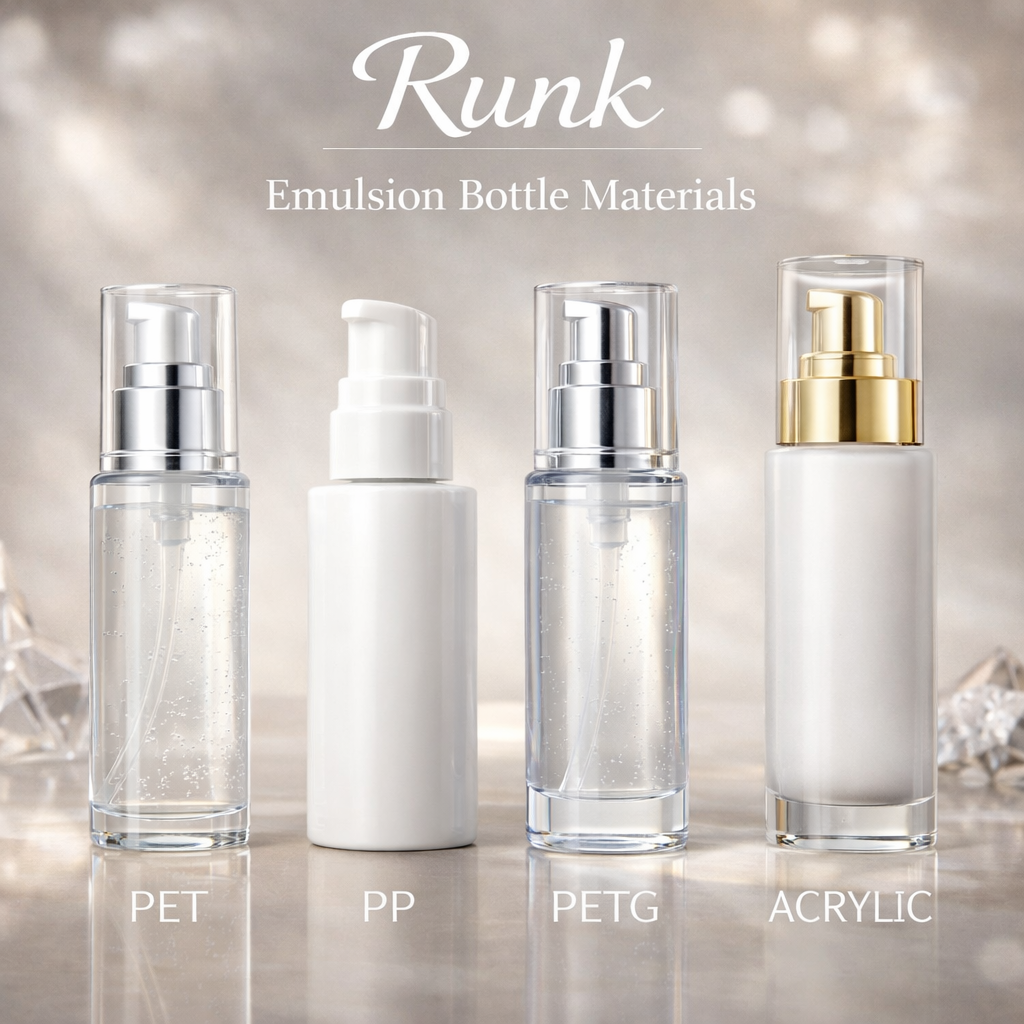
Iminumungkahi ang larawan: Mga transparenteng PET na bote na may pump para sa lotion, na may malinaw na mga produkto para sa balat sa loob.
Mga Benepisyo ng PET Bottles
1. Mataas na Transparensya
Ang mga bote ng PET ay may kalinawan na katulad ng salamin, na nagpapahintulot sa mga customer na makita ang produkto sa loob. Lalo itong nakakaakit para sa mga serum at lotion na may kaakit-akit na kulay.
2. Mabilis at matatag
Kumpara sa packaging na salamin, ang mga bote ng PET ay magaan ngunit matibay, na binabawasan ang gastos sa pagpapadala at panganib ng pagkabasag.
3. Maaaring I-recycle na Materyal
Ang PET ay malawakang maaaring i-recycle, kaya ito ay isang sustainable na opsyon sa packaging para sa mga brand ng kagandahan na may kamalayan sa kapaligiran.
Mga Pangkaraniwang Aplikasyon
Ang mga bote ng PET ay karaniwang ginagamit para sa:
Mga bote ng pump ng lotion
Pakete ng moisturizer para sa mukha
Mga bote ng shampoo at conditioner
Mga lalagyan ng sunscreen

Mga Bote ng Emulsyon na PP
Ano ang PP?
Ang PP (Polypropylene) ay isa pang malawakang ginagamit na plastik na materyal sa pakete ng kosmetiko. Kilala ito sa kahusayan nito sa paglaban sa kemikal at kahusayan sa pagtitiis.
Iminumungkahing larawan: Mga boteng lotion na PP na may matte o opaque na surface at may pump dispenser.
Mga Kawilihan ng mga Bote na PP
1. Matibay na Paglaban sa Kemikal
Ang PP ay kayang tiisin ang malawak na hanay ng mga pormulang kosmetiko, kabilang ang mga produkto na may alkohol o aktibong sangkap.
2. Magaan at Mura
Ang mga bote na gawa sa PP ay ekonomikal at magaan, kaya sila ay perpektong gamitin para sa mass production ng packaging ng kosmetiko.
3. Resistensya sa init
Kumpara sa PET, ang PP ay kayang tumagal ng mas mataas na temperatura, kaya ito ay angkop para sa ilang proseso ng pagmamanupaktura.
Mga Pangkaraniwang Aplikasyon
Ang mga bote na gawa sa PP ay karaniwang ginagamit para sa:
Packaging ng body lotion
Mga emulsyon para sa pangangalaga ng buhok
Mga dispenser ng cream na pang-kosmetiko
Packaging ng skincare na may maliit na sukat para sa biyahe
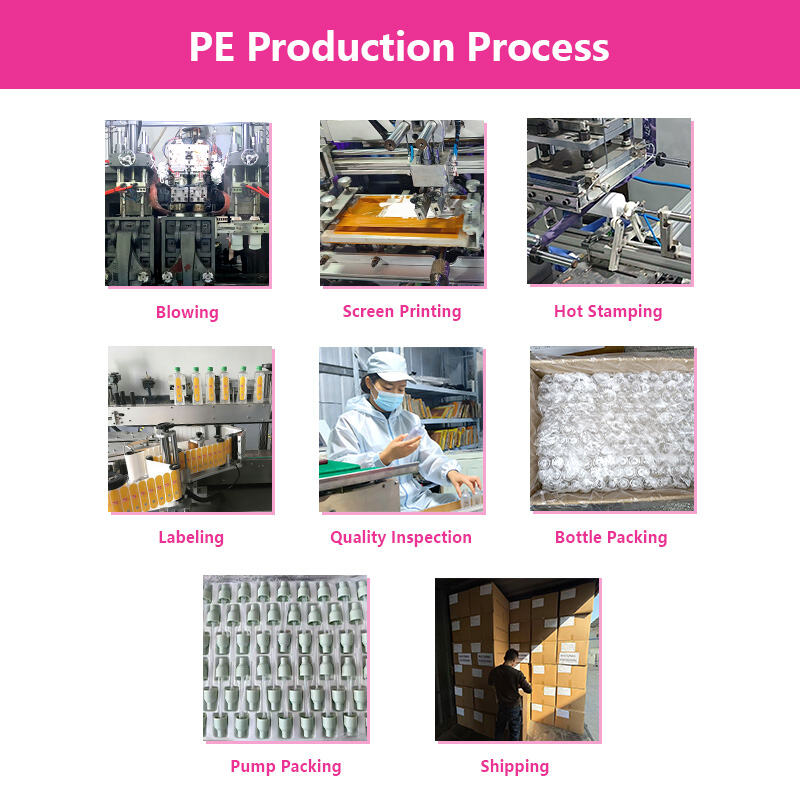
PETG Emulsion Bottles
Ano ang PETG?
Ang PETG (Polyethylene Terephthalate Glycol) ay isang binago na bersyon ng PET na nag-aalok ng mas mataas na tibay at flexibility habang pinapanatili ang mahusay na kaliwanagan.
Iminumungkahi ang larawan: Frosted PETG cosmetic bottles na may luxury skincare branding.
Mga kalamangan ng PETG Bottles
1. Premium na Anyo
Ang PETG ay may mataas na antas na estetika, kaya ito ay perpekto para sa packaging ng mga luxury skincare product.
2. Matibay na Paglaban sa Impact
Ang mga bote na gawa sa PETG ay mas tumutol sa pagkabali o pagkabasag, na nagsisiguro ng kahusayan habang isinasadla at sa pang-araw-araw na paggamit.
3. Mahusay na Transparency
Tulad ng PET, ang PETG ay nagbibigay ng malinaw at madulas na surface, na nagpapahusay sa presentasyon ng produkto.
Mga Pangkaraniwang Aplikasyon
Ang mga bote na gawa sa PETG ay karaniwang ginagamit para sa:
High-end na packaging para sa pangangalaga sa balat
Mga bote para sa essence at serum
Mga premium na bote na may lotion pump
Packaging para sa cosmetic retail
Mga Bote ng Acrylic Emulsion
Ano ang Acrylic?
Ang acrylic (PMMA) ay madalas gamitin para sa kahit na pang-mataas na antas na packaging ng kosmetiko dahil sa kanyang elegante at parang salamin na tekstura.
Iminumungkahing larawan: Mga luho at acrylic na bote ng kosmetiko na may metallic na pump head.
Mga Kawastuhan ng mga Bote ng Acrylic
1. Luho at Elegante ang Itsura
Ang packaging na gawa sa acrylic ay nagbibigay ng premium at mataas na antas na hitsura na madalas ginagamit ng mga tatak ng luho sa skincare.
2. Napakahusay na Surface Finish
Ang mga bote ng acrylic ay madaling suportahan ang mga metallic finish, gradient na kulay, at dekoratibong disenyo.
3. Mataas na Rigidity
Matibay at stable ang materyales, na nagbibigay ng solid at matibay na istruktura.
Mga Pangkaraniwang Aplikasyon
Ang mga bote na gawa sa acrylic ay karaniwang ginagamit para sa:
Mga premium na krem para sa pangangalaga ng balat
Mga serum laban sa pagtanda
Mga high-end na linya ng kosmetiko
Paano Pumili ng Tamang Materyal para sa Bote ng Emulsyon
Ang pagpili ng pinakamahusay na materyal ay nakasalalay sa ilang kadahilanan na may kinalaman sa iyong produkto at posisyon ng iyong brand.
Isipin ang Formula ng Iyong Produkto
Ang ilang sangkap ay nangangailangan ng mga materyal na tumutol sa kemikal, kaya ang PP o PETG ay mas mainam na mga opsyon.
Isipin ang Posisyon ng Iyong Brand
Ang mga luxury brand ay kadalasang pumipili ng packaging na PETG o acrylic, samantalang ang mga mass-market brand ay maaaring pumili ng PET o PP para sa kahusayan sa gastos.
Suriin ang mga Layunin sa Pagkakapareho
Kung mahalaga ang pagkakapareho sa iyong brand, ang mga recyclable na materyales na PET o PP ay maaaring ang pinakamahusay na pagpipilian.
Balansin ang Gastos at Pagganap
Ang bawat materyal ay nag-aalok ng iba’t ibang balanseng gastos, anyo, at tibay.
Mga Paparating na Trend sa mga Materyales para sa Packaging ng Kosmetiko
Patuloy na umuunlad ang industriya ng packaging ng kosmetiko, na may ilang kumikilos na trend na hugis ang hinaharap:
Mga materyales na napapanatiling matatag
Ang mga brand ay unti-unting sumasali sa mga recyclable na plastik at eco-friendly na solusyon sa packaging upang bawasan ang epekto nito sa kapaligiran.
Packaging na Maaaring Ulangan
Lumalawak ang popularidad ng mga bote na maaaring ulangan dahil nakakatulong ito sa pagbawas ng basurang plastik habang hinahikayat ang paulit-ulit na pagbili.
Minimalist na Disenyo
Ang mga modernong beauty brand ay tinatanggap ang malinis at minimalist na aesthetic ng packaging upang makaakit sa mas batang consumer.
Kongklusyon
Ang pagpili ng tamang materyal para sa bote ng emulsyon ay isang mahalagang hakbang sa pagbuo ng matagumpay na packaging para sa kosmetiko. Ang mga materyal tulad ng PET, PP, PETG, at acrylic ay may kani-kaniyang natatanging mga pakinabang sa aspeto ng tibay, itsura, presyo, at pangangalaga sa kapaligiran.
Sa pamamagitan ng pag-unawa sa mga materyal na ito at sa kanilang mga aplikasyon, ang mga brand ng kagandahan ay maaaring lumikha ng packaging na protektado ang kanilang mga pormula, nagpapahusay ng identidad ng brand, at nakakaakit sa mga modernong konsyumer.
Kung ikaw ay maglulunsad ng bagong linya ng skincare o iu-upgrade ang iyong umiiral na packaging, ang pagpili ng tamang materyal para sa bote ng cosmetic emulsion ay tutulong sa iyong produkto na tumatakbo sa kompetitibong merkado ng kagandahan ngayon.