EN
EN


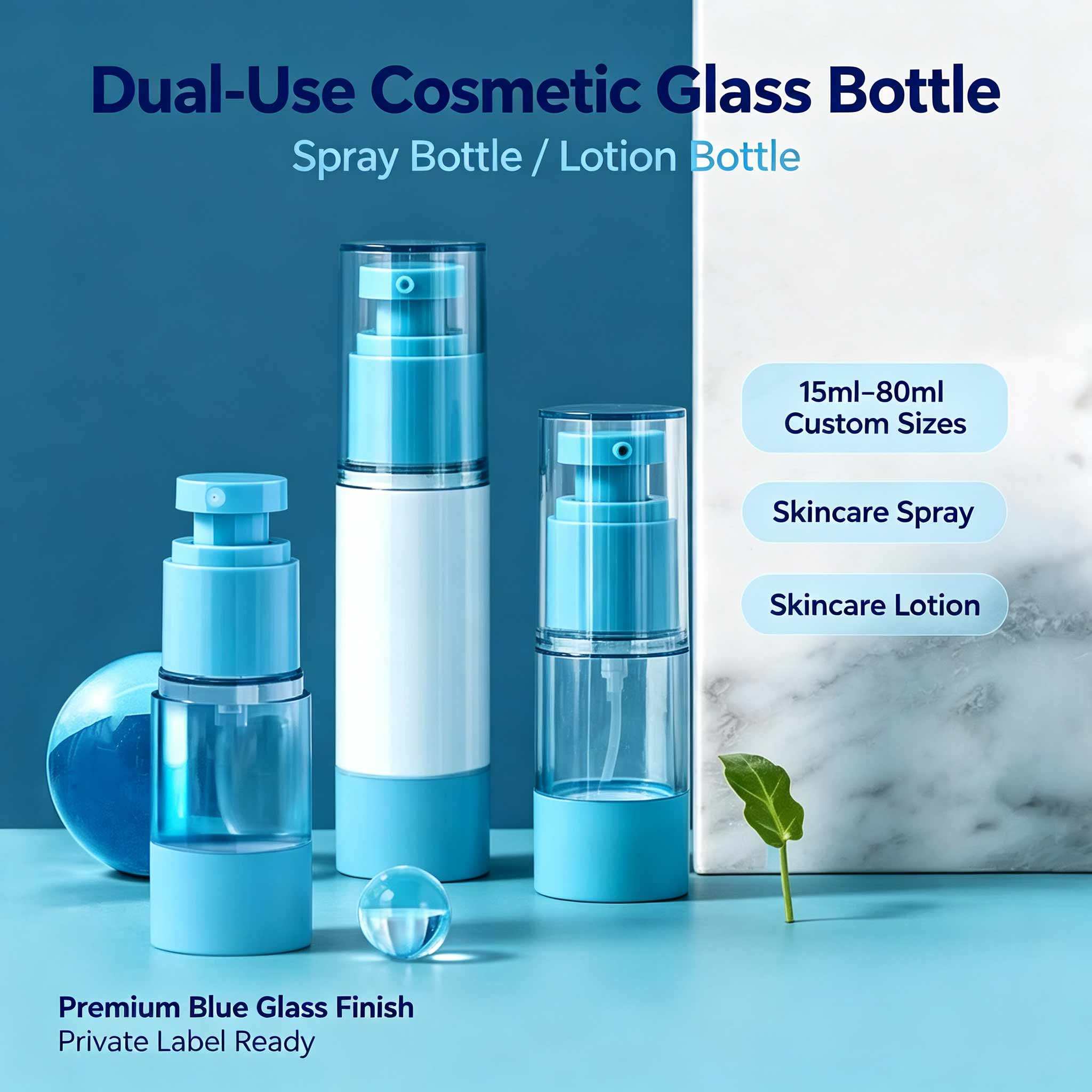
Selecting the right cosmetic dropper bottles is a critical decision for skincare brands, beauty manufacturers, and product developers. The choice of cosmetic dropper bottles directly impacts product preservation, user experience, brand perception, and regulatory compliance. Whether you're launching a new serum, essence, or treatment oil, understanding the key factors that define quality cosmetic dropper bottles will help you make an informed decision that aligns with your product specifications and market positioning.
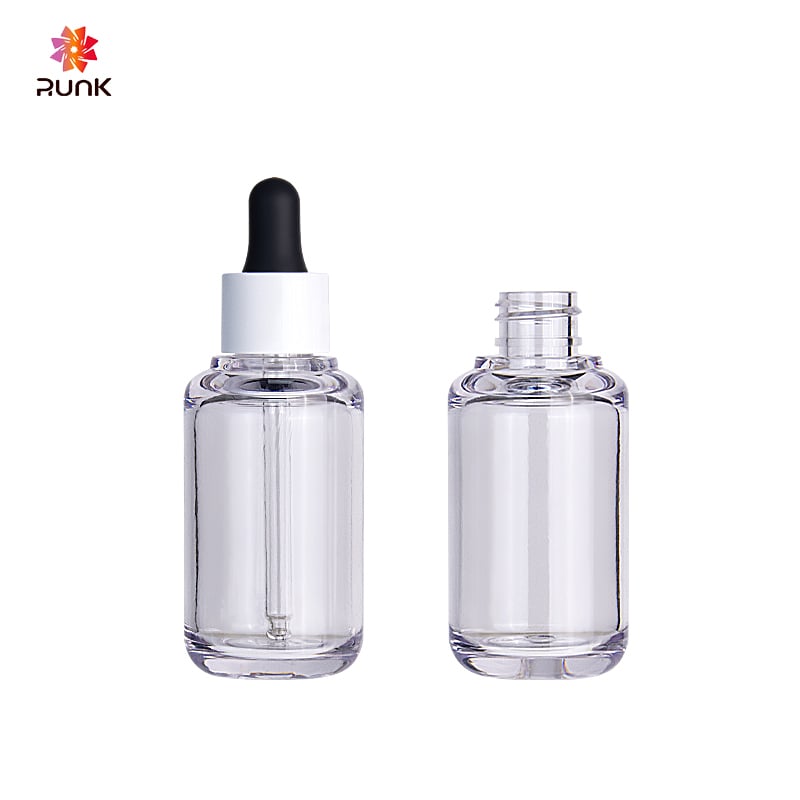
The market for cosmetic dropper bottles has expanded significantly as brands recognize the value of precision dispensing, product protection, and aesthetic appeal. Cosmetic dropper bottles combine functionality with visual design, making them ideal for premium skincare, serums, and specialty formulations. Choosing the right cosmetic dropper bottles requires evaluating material composition, dropper mechanism quality, volume capacity, design customization options, and compatibility with your specific product formulation.
Material Composition and Chemical Compatibility
Glass versus Alternative Materials for Cosmetic Dropper Bottles
The material you select for your cosmetic dropper bottles fundamentally influences product stability and shelf life. Glass remains the gold standard for cosmetic dropper bottles because it provides superior chemical inertness, protects sensitive ingredients from light exposure when amber or frosted options are used, and conveys premium quality to consumers. Borosilicate glass is particularly valued for cosmetic dropper bottles since it offers thermal resistance and minimal expansion or contraction, ensuring consistent sealing and dropper performance over time.
Alternative materials like PETG and polypropylene are increasingly popular choices for cosmetic dropper bottles when brands prioritize lighter weight, reduced shipping costs, or enhanced durability. PETG cosmetic dropper bottles offer excellent clarity, moderate chemical resistance, and lower fragility compared to glass. However, when formulating with essential oils, alcohol-based actives, or aggressive solvents, cosmetic dropper bottles made from glass or high-grade PETG provide superior protection and prevent ingredient interaction with packaging materials.
Barrier Properties and Product Preservation
Cosmetic dropper bottles must provide adequate oxygen and moisture barriers to prevent oxidation, evaporation, and microbial contamination. Glass cosmetic dropper bottles naturally resist oxygen permeation, making them ideal for light-sensitive or volatile formulations. For cosmetic dropper bottles in plastic materials, ensure the specification includes a minimum oxygen transmission rate (OTR) that meets your product stability requirements. UV-blocking cosmetic dropper bottles in amber, frosted, or opaque finishes add an additional layer of protection for photosensitive serums and treatments, extending shelf life and maintaining product efficacy.
Dropper Mechanism and Functionality
Dropper Types and Precision Dispensing
The dropper mechanism is the functional core of cosmetic dropper bottles and directly affects user experience and product consistency. Bulb dropper systems in cosmetic dropper bottles provide intuitive control through gentle squeeze and release, allowing consumers to dispense precise amounts of serum or essence. Tube dropper cosmetic dropper bottles feature a glass or plastic tube with a rubber bulb at the top, offering excellent visibility into product quantity and reliable suction performance. Press-to-take dropper cosmetic dropper bottles, also called pipette droppers, use a spring mechanism to draw liquid upward when pressed, providing hands-free dispensing and reducing air intake into the bottle.
When selecting cosmetic dropper bottles, evaluate dropper functionality under real-world conditions. Test cosmetic dropper bottles with your actual formulation viscosity because thicker serums or oils may require stronger suction or different dropper geometry. The dropper seal quality in cosmetic dropper bottles prevents leakage during shipping and storage, so verify that the neck finish and dropper fit meet industry sealing standards. Premium cosmetic dropper bottles often feature graduated droppers that allow consumers to measure product volume, enhancing perception of value and product efficacy.
Build Quality and Long-Term Performance
Durability of the dropper assembly is essential for cosmetic dropper bottles that will be used repeatedly over weeks or months. Cosmetic dropper bottles with reinforced bulbs resist cracking and maintain elastic tension after hundreds of compressions. The rubber components in cosmetic dropper bottles must be food-grade and cosmetic-safe, ideally made from natural rubber or synthetic alternatives that won't contaminate your formulation. Inspect cosmetic dropper bottles for smooth internal tube surfaces and consistent sizing to ensure even fluid pickup and eliminate irregular dispensing patterns that frustrate consumers.
Capacity, Design, and Customization Options
Volume Selection and Market Positioning
Cosmetic dropper bottles are available in standard capacities ranging from 10 mL to 60 mL, with each size serving different market segments and price positioning. Cosmetic dropper bottles of 15–30 mL are most common for premium serums and essences, balancing perceived value with realistic product consumption patterns. Smaller cosmetic dropper bottles around 10 mL work well for high-concentration treatments or luxury launches where exclusivity and concentrated formulation justify premium pricing. Larger cosmetic dropper bottles up to 60 mL appeal to value-conscious consumers or brands emphasizing longer usage duration, though they require robust cosmetic dropper bottles that maintain product integrity throughout the extended use period.
Customization and Aesthetic Differentiation
Visual design of cosmetic dropper bottles plays a significant role in brand recognition and consumer appeal. Cosmetic dropper bottles are available in frosted, transparent, amber, and custom colors that communicate product positioning and ingredient benefits. Labeling options for cosmetic dropper bottles include silk-screen printing, hot stamping, shrink sleeves, and custom box packaging that reinforce brand identity. Neck finish variations in cosmetic dropper bottles—such as standard, graduated, or custom diameters—enable compatibility with specific dropper styles and allow brands to differentiate their packaging architecture from competitors.
Customization lead times for cosmetic dropper bottles typically range from 4–12 weeks depending on volume, material specifications, and decoration complexity. Brands investing in higher order quantities receive more favorable pricing and access to proprietary design options that distinguish their cosmetic dropper bottles in retail environments. Bulk production of customized cosmetic dropper bottles improves cost efficiency per unit, enabling smaller brands to achieve premium packaging aesthetics without excessive per-bottle expenses.
Regulatory Compliance and Safety Standards
Cosmetic Dropper Bottles and Regulatory Requirements
Cosmetic dropper bottles must comply with regulations specific to your target markets, including FDA guidelines in the United States, EU cosmetic regulations, and local requirements in Asian markets. Cosmetic dropper bottles used for skincare must include secure closures that prevent tampering and accidental spillage during transport and consumer use. Material safety documentation for cosmetic dropper bottles should confirm that all components—glass, plastic, rubber, and inks—meet cosmetic contact standards and won't leach contaminants into formulations.
Testing and certification for cosmetic dropper bottles often includes drop testing to verify structural integrity, seal testing to confirm closure effectiveness, and migration testing to ensure packaging materials remain inert under storage conditions. Cosmetic dropper bottles designed for international distribution should include multilingual labeling considerations and packaging documentation that meets import requirements across multiple regions. Choosing cosmetic dropper bottles from manufacturers with established quality certifications and third-party testing reduces compliance risks and strengthens your brand's reputation for safety and reliability.
FAQ
What material is best for cosmetic dropper bottles if I have a high-concentration essential oil formulation?
Borosilicate glass cosmetic dropper bottles are the optimal choice for essential oil and solvent-based formulations because glass provides complete inertness and prevents ingredient degradation or interaction with packaging materials. Cosmetic dropper bottles made from quality PETG are a secondary option if glass creates supply chain or cost constraints, but verify that PETG meets your specific formulation's chemical compatibility requirements through migration testing.
How do I ensure cosmetic dropper bottles maintain consistent dispensing performance throughout the product lifecycle?
Select cosmetic dropper bottles with graduated, reinforced bulbs and smooth internal tube surfaces that resist deformation after repeated use. Cosmetic dropper bottles should undergo durability testing with your actual formulation at various viscosities to confirm that the dropper mechanism performs reliably across hundreds of compressions. Store cosmetic dropper bottles upright and ensure proper humidity control in your distribution environment to maintain rubber elasticity and dropper functionality.
What volume of cosmetic dropper bottles should I choose for a premium serum launch?
Cosmetic dropper bottles in the 15–30 mL range are industry-standard for premium serums, balancing product efficacy perception, pricing justification, and realistic consumption patterns. Cosmetic dropper bottles at 20 mL offer an attractive middle ground that communicates product concentration while maintaining competitive retail pricing. Consider your target market's price sensitivity and brand positioning when selecting cosmetic dropper bottles volume, as smaller sizes enhance perceived luxury while larger sizes appeal to value-conscious segments.
Table of Contents
- Material Composition and Chemical Compatibility
- Dropper Mechanism and Functionality
- Capacity, Design, and Customization Options
- Regulatory Compliance and Safety Standards
-
FAQ
- What material is best for cosmetic dropper bottles if I have a high-concentration essential oil formulation?
- How do I ensure cosmetic dropper bottles maintain consistent dispensing performance throughout the product lifecycle?
- What volume of cosmetic dropper bottles should I choose for a premium serum launch?