EN
EN

Material Selection for Face Cream Jars: Balancing Barrier Performance and Chemical Compatibility
Glass, PET, and Aluminum Face Cream Jars: Oxygen Transmission Rates and Ingredient Interaction Risks
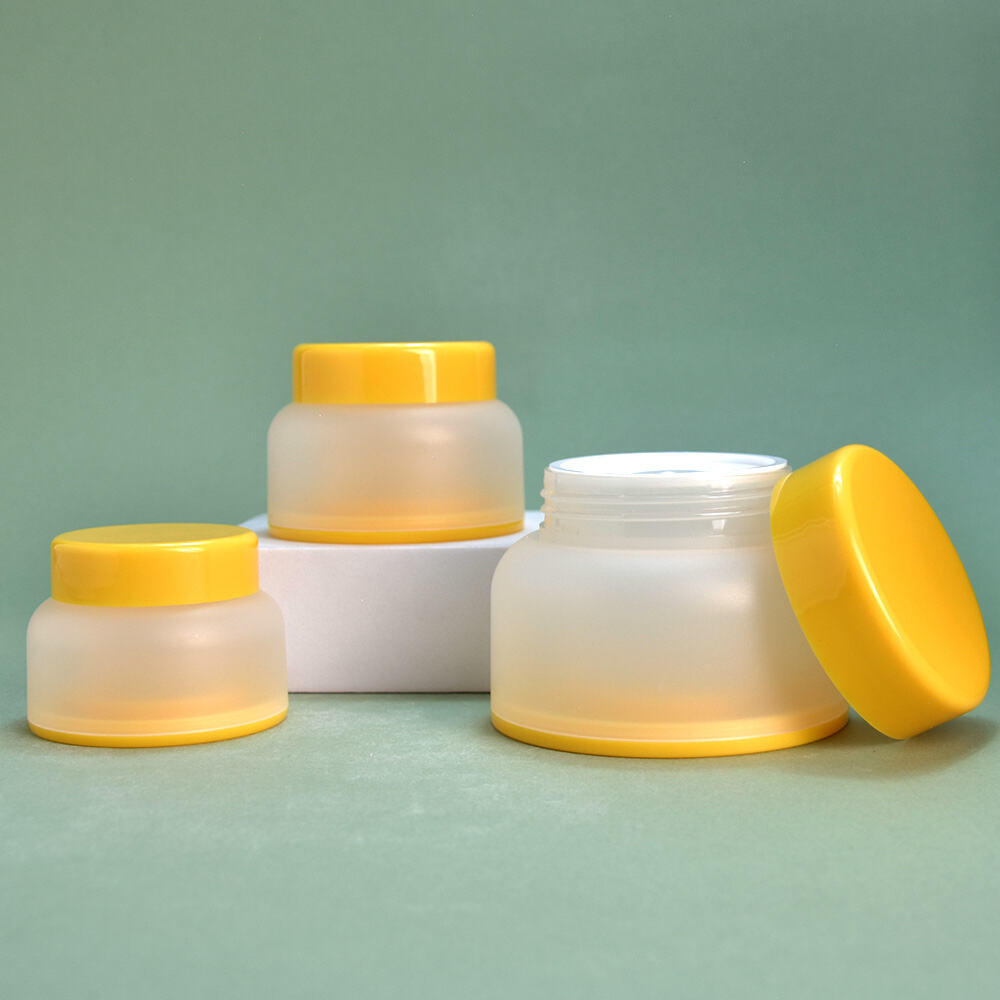
Glass offers near-zero oxygen permeability (OTR <0.005 cc/m²/day), making it ideal for oxygen-sensitive actives like vitamin C. Its inert nature eliminates chemical interaction risks—but fragility and weight increase shipping costs and environmental footprint. Polyethylene terephthalate (PET) provides moderate barrier performance (OTR 2–5 cc/m²/day) and design flexibility, yet uncoated PET poses leaching concerns in oil-based formulations, particularly with phthalates. Aluminum delivers exceptional light and oxygen barriers (OTR ~0.001 cc/m²/day) but requires internal coating when used with acidic ingredients (pH <5); uncoated aluminum triggered oxidation in 23% of retinol creams within six months, per a 2023 Packaging Science Review.
High-Barrier Coatings and Multilayer Structures for Extended Stability
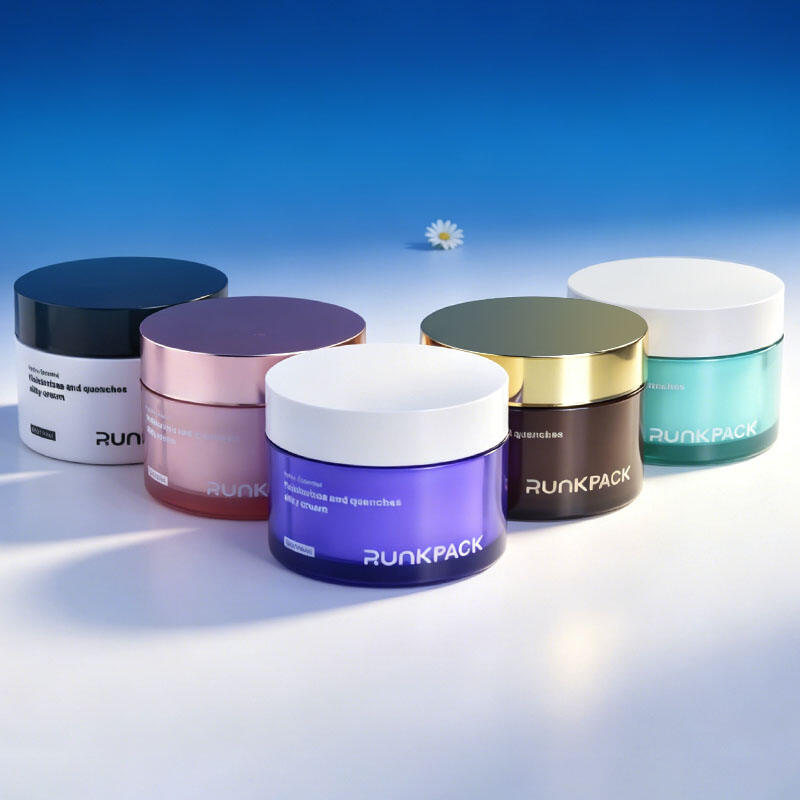
Innovations like silicon oxide (SiOx) coatings cut PET’s OTR by 98%, achieving <0.1 cc/m²/day—approaching glass-level protection without its drawbacks. Multilayer structures combining ethylene vinyl alcohol (EVOH) with polypropylene deliver oxygen barriers up to 100× stronger than standard plastics, extending shelf life by 8–12 months for sensitive formulations. As confirmed in the 2024 Cosmetic Chemistry Journal, multilayer jars preserved 95% of vitamin E potency after 18 months—versus just 67% in conventional containers.
Material Barrier Comparison
| Material | Oxygen Transmission Rate (cc/m²/day) | Light Protection | Chemical Risk |
|---|---|---|---|
| Glass | <0.005 | Transparent | None |
| PET | 2–5 | Low | Leaching with oils |
| SiOx-Coated PET | <0.1 | Moderate | Minimal |
| Aluminum | 0.001 | Opaque | Acidic formulation reactions |
Data: Global Packaging Standards 2023
Key considerations:
- EVOH layers reduce moisture vapor transmission to <0.1 g/m²/day
- UV inhibitors embedded in plastic resins prevent photo-degradation without compromising clarity or feel
- Compatibility testing—especially with preservative systems like parabens or benzyl alcohol—is non-negotiable for regulatory compliance and stability
High-barrier coatings demonstrate 40% less ingredient migration than unmodified plastics in accelerated stability trials.
Airless and Airtight Face Cream Jars: Critical Defense Against Oxidation and Microbial Degradation
Oxidation and microbial contamination are leading causes of skincare degradation—compromising both active ingredient integrity and consumer safety. Airless jars address both through vacuum-sealed piston mechanisms that dispense product without permitting air replacement, eliminating headspace where oxidation initiates and microbes proliferate. This design reduces bacterial growth risk by up to 99% versus open jars while enabling near-complete evacuation—minimizing waste and maximizing value.
Airtight closures provide essential secondary protection: precision-engineered threads, multi-layer gaskets, and tamper-evident features jointly block oxygen and moisture ingress during storage, transit, and repeated use. When paired with UV-blocking materials, they form a comprehensive defense system—ensuring face creams retain efficacy from first use to final dispense and reducing returns linked to spoilage or perceived ineffectiveness.
Light Protection in Face Cream Jars: Safeguarding UV-Sensitive Actives Like Retinol and Vitamin C
UV exposure rapidly degrades photo-labile actives—including retinol and ascorbic acid—triggering molecular breakdown that diminishes efficacy and may generate irritants. Ambient retail lighting alone can erode 20% of vitamin C potency within four weeks. Protection depends on spectral blocking: amber glass absorbs 90% of UVB rays, while opaque aluminum excludes 99% of visible and UV light.
Clinical Evidence: Shelf-Life Extension Using UV-Blocking, Frosted, and Opaque Face Cream Jars
Stability studies confirm measurable preservation gains from light-protective packaging:
- Vitamin C formulations in UV-blocking amber glass retained 85% potency after six months—versus 60% in clear glass (Stability Journal, 2023)
- Retinol creams in opaque containers generated four times fewer oxidation byproducts after 12 weeks of controlled light exposure
- Frosted jars reduced photo-degradation by 40% compared to transparent alternatives, thanks to light diffusion rather than absorption
| Jar Type | UV Protection Level | Shelf-Life Extension |
|---|---|---|
| Opaque (aluminum) | 99%+ | 8–10 months |
| Amber glass | 90–95% | 6–8 months |
| Frosted plastic | 70–80% | 3–4 months |
These results underscore opaque jars—not merely as aesthetic choices—but as functionally optimal vessels for high-value, light-sensitive formulations across their full lifecycle.
Seal Integrity and Dispensing Systems: How Closure Design Impacts Face Cream Jar Performance
Seal integrity and dispensing ergonomics are foundational to jar performance—not ancillary features. Even the most advanced barrier material fails if closure design permits air ingress, moisture uptake, or microbial entry. Premium jars integrate three interdependent elements: liner composition, cap fit precision, and leak-resilient engineering—all calibrated to preserve formula purity and user confidence.
Liner Materials, Cap Fit, and Leak Prevention in Premium Face Cream Jars
- Liner materials, such as compression-molded polypropylene foam or metallized laminates, conform dynamically to jar rims—creating flexible, adaptive seals that block oxygen and stabilize volatile actives like essential oils or encapsulated peptides.
- Cap fit demands rigorous torque control during assembly: consistent thread engagement ensures uniform compression across the liner, preventing micro-leaks that accelerate oxidation or preservative depletion under temperature fluctuations.
- Leak prevention relies on integrated gaskets, tamper bands, and pressure-tested closures—validated across simulated distribution conditions (e.g., altitude changes, thermal cycling) to guarantee zero product loss or contamination risk.
When executed rigorously, these features extend shelf life meaningfully—not just in lab metrics, but in real-world outcomes: fewer customer complaints, higher repeat purchase rates, and strengthened brand trust rooted in consistent performance.
Ready to Extend Your Face Cream Shelf Life with Premium Barrier Jars?
High-performance face cream jars are the cornerstone of formula stability, extended shelf life, and consumer trust in the global skincare market—no brand can protect its high-value actives or maximize product longevity with generic, low-barrier packaging. By matching barrier materials, airless systems, light protection, and precision closure design to your unique formulation needs, you’ll lock in efficacy, reduce waste, and strengthen your brand’s premium positioning worldwide.
For industrial-grade, custom face cream jars engineered for maximum shelf-life protection, partner with a manufacturer rooted in 15+ years of global skincare packaging expertise. Runk Packaging delivers end-to-end OEM/ODM solutions, with a 10,000㎡ state-of-the-art production base, 20+ automated production lines, and 8 million+ monthly output capacity. We specialize in high-barrier glass, PET, aluminum, and airless face cream jars, with customizable UV protection, SiOx coating, multilayer structures, and precision seal design to preserve retinol, vitamin C, and other sensitive actives. We also offer exclusive private mold development (20+ custom molds yearly, free for VIP clients) and full-process quality control for global market compliance. Contact us today for a no-obligation consultation and free custom sample to optimize your face cream packaging for maximum shelf life.
FAQ
What materials are best for face cream jars to prevent oxygen and light exposure?
Glass, PET with high-barrier coatings, and aluminum are excellent materials due to their low oxygen transmission rates and light protection capabilities.
Why is chemical compatibility important in selecting materials for face cream jars?
Chemical compatibility prevents reactions between the jar materials and cream formulations, ensuring stability and safety.
What benefits do airless jars offer for face cream packaging?
Airless jars prevent oxidation and microbial contamination by using vacuum-sealed mechanisms that significantly reduce the headspace where these degradations can occur.
How do high-barrier coatings enhance PET containers?
High-barrier coatings like silicon oxide reduce oxygen transmission rates, enhancing the protective qualities of PET containers.
How can UV blocking in jar packaging extend the shelf life of face creams?
UV blocking prevents the degradation of photo-labile actives, such as vitamin C and retinol, extending their efficacy and shelf life.
Table of Contents
- Material Selection for Face Cream Jars: Balancing Barrier Performance and Chemical Compatibility
- Airless and Airtight Face Cream Jars: Critical Defense Against Oxidation and Microbial Degradation
- Light Protection in Face Cream Jars: Safeguarding UV-Sensitive Actives Like Retinol and Vitamin C
- Seal Integrity and Dispensing Systems: How Closure Design Impacts Face Cream Jar Performance
- Ready to Extend Your Face Cream Shelf Life with Premium Barrier Jars?
-
FAQ
- What materials are best for face cream jars to prevent oxygen and light exposure?
- Why is chemical compatibility important in selecting materials for face cream jars?
- What benefits do airless jars offer for face cream packaging?
- How do high-barrier coatings enhance PET containers?
- How can UV blocking in jar packaging extend the shelf life of face creams?