EN
EN


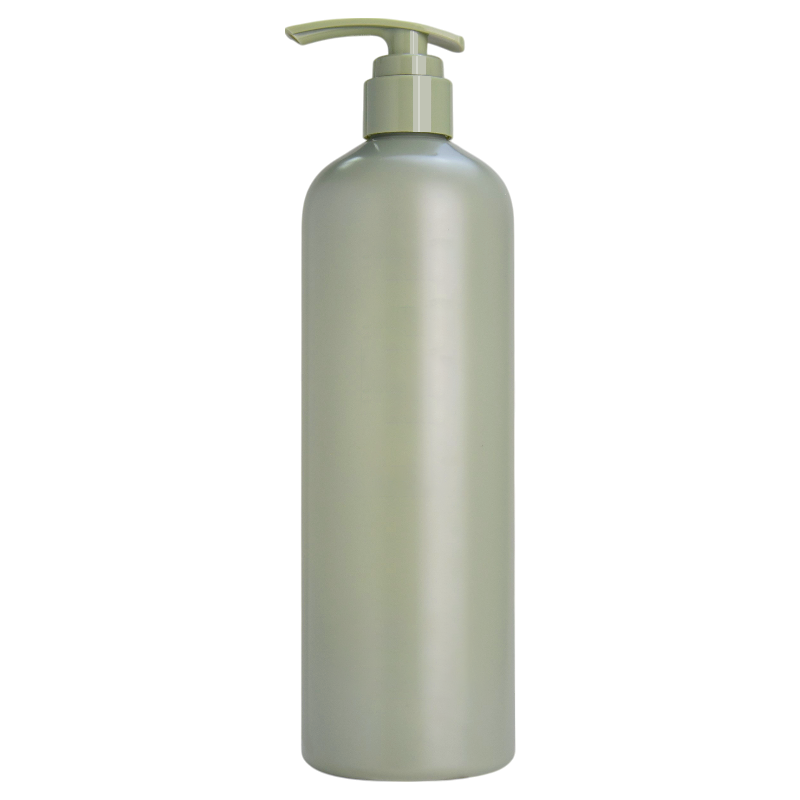
Cosmetic manufacturers and skincare brands face a persistent challenge: maintaining product integrity from production to consumer use. Formulas degrade when exposed to air, moisture, and light, reducing efficacy and shelf life. Airless containers cosmetics represent a transformative solution that fundamentally changes how beauty products are stored, dispensed, and preserved. Unlike traditional jars and bottles that expose formulas to oxidation with every opening, airless containers cosmetics utilize vacuum technology to eliminate air contact entirely. This innovation extends product longevity, reduces the need for chemical preservatives, and delivers superior consumer experiences. Understanding how airless containers cosmetics work reveals why leading brands increasingly adopt this packaging approach as a competitive advantage.
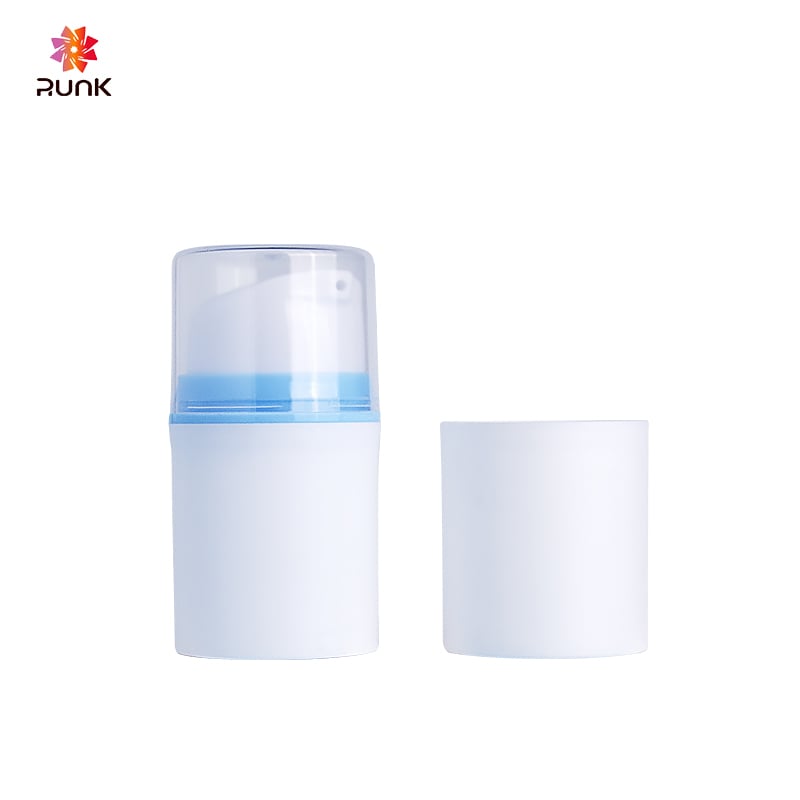
The cosmetic industry has undergone significant transformation as consumer awareness of product quality has risen. Stability, potency, and safety have become non-negotiable expectations. Airless containers cosmetics address these demands by creating a sealed environment that protects sensitive ingredients from degradation. Whether formulating serums, moisturizers, sunscreens, or specialized treatments, brands recognize that packaging integrity directly impacts product performance. This article explores how airless containers cosmetics deliver measurable benefits, the technical mechanisms behind their effectiveness, and practical applications across cosmetic categories.
The Science Behind Airless Container Technology
How Airless Containers Cosmetics Eliminate Oxidation
Oxidation is a primary enemy of cosmetic stability. When air enters a traditional container, oxygen molecules interact with active ingredients, causing degradation that diminishes efficacy and creates unpleasant odors or discoloration. Airless containers cosmetics solve this through vacuum displacement technology. As the consumer dispenses product, a piston or diaphragm rises, creating negative pressure that pushes the formula upward without introducing atmospheric air. This mechanism means airless containers cosmetics maintain a protective barrier around the remaining product throughout its entire lifecycle. The formula never encounters oxygen, moisture, or contaminants that would otherwise compromise its performance.
Preservation Without Excessive Chemical Additives
Traditional packaging frequently requires higher concentrations of chemical preservatives to combat microbial growth and oxidative stress. Airless containers cosmetics reduce this dependency by creating an inhospitable environment for bacterial and fungal proliferation. The sealed vacuum prevents pathogen introduction and eliminates the oxygen that many microorganisms require to thrive. Formulators working with airless containers cosmetics can reduce preservative loads while maintaining safety and stability. This shift toward cleaner ingredient lists appeals to consumers seeking natural and minimally processed beauty products. Brands utilizing airless containers cosmetics often highlight this advantage in marketing, communicating commitment to both efficacy and ingredient transparency.
Tangible Benefits of Airless Containers for Cosmetic Brands
Extended Product Shelf Life and Stability
The most compelling advantage of airless containers cosmetics is dramatically extended shelf life. Serums, antioxidant creams, and active-ingredient treatments maintain potency for months longer than in conventional packaging. Clinical testing consistently shows that active compounds in airless containers cosmetics retain efficacy at levels that would significantly degrade in exposed formulas. For brands formulating with vitamin C, retinol, peptides, or botanical extracts, this stability represents enormous value. Consumers receive products at peak performance when they arrive and throughout use. Retailers benefit from reduced spoilage and waste. Manufacturers gain confidence in product consistency across larger production batches. Airless containers cosmetics fundamentally shift the economics of cosmetic distribution by reducing loss throughout the supply chain.
Enhanced Consumer Experience and Brand Perception
Packaging signals quality to consumers before they ever use a product. Airless containers cosmetics communicate sophistication, scientific rigor, and premium positioning. The sleek pump mechanism, clean dispensing, and visible piston movement create an impression of advanced technology. This perception translates to willingness to pay premium prices and higher brand loyalty. Additionally, airless containers cosmetics prevent common frustrations with traditional jars: product separation, oxidized discoloration, and contamination from repeated fingertip contact. Consumers appreciate controlled dispensing that minimizes waste and maintains product cleanliness. Brands adopting airless containers cosmetics often see improved reviews, repeat purchases, and social media advocacy. The packaging itself becomes part of the product story and brand identity.
Strategic Applications Across Cosmetic Categories
Skincare Serums and Active Treatments
Skincare serums are ideal candidates for airless containers cosmetics because they contain potent, oxygen-sensitive actives. Products featuring vitamin C, niacinamide, hyaluronic acid, or peptides particularly benefit from airless containers cosmetics technology. These formulas typically command premium pricing, and consumers expect results. Airless containers cosmetics guarantee that expensive serums deliver maximum efficacy throughout the usage period. The vacuum environment also allows formulators to create lighter textures and faster absorption profiles without compromise. High-end skincare brands have pioneered adoption of airless containers cosmetics, establishing consumer expectation that premium products arrive in this advanced packaging.
Sunscreen and UV Protection Products
Sunscreens represent another critical application for airless containers cosmetics. Ultraviolet filters require stability to maintain sun protection factor consistency. Mineral sunscreens with zinc oxide and titanium dioxide are particularly vulnerable to separation and oxidation in conventional containers. Airless containers cosmetics prevent settling, maintain uniform filter distribution, and ensure consumers receive consistent protection levels. Regulatory bodies increasingly scrutinize sunscreen stability, making airless containers cosmetics an attractive solution for brands seeking to exceed compliance requirements. Additionally, airless containers cosmetics reduce the unpleasant oxidized odors that sometimes develop in exposed sunscreen formulas, improving the consumer experience significantly.
Anti-Aging Creams and Specialized Formulations
Anti-aging formulas often combine multiple active ingredients with varying stability profiles. Retinoids, antioxidants, peptides, and botanical extracts create complex formulations requiring meticulous protection. Airless containers cosmetics provide the controlled environment these sophisticated formulas demand. Eye creams, night treatments, and intensive restoration products benefit enormously from airless containers cosmetics technology. Consumers investing in these specialized products expect results, and airless containers cosmetics ensure formula integrity matches consumer expectations. The investment in airless containers cosmetics often becomes the defining factor differentiating effective formulas from mediocre ones.
Implementation and Market Considerations
Choosing the Right Airless Container Design
Selecting appropriate airless containers cosmetics involves evaluating volume capacity, pump mechanism sensitivity, aesthetic appeal, and cost structure. Various designs exist: pump bottles in 15–50 mL ranges, larger tube-style dispensers, and combination systems. airless containers cosmetics manufacturers offer customization options accommodating different formula viscosities and brand aesthetics. Formulators must ensure the chosen airless containers cosmetics design matches product consistency and intended usage frequency. Too sensitive a pump creates frustration; too resistant a pump discourages use. The best airless containers cosmetics solutions feel intuitive and seamless to consumers.
Cost Considerations and Market Positioning
Airless containers cosmetics command higher manufacturing costs than standard packaging, ranging from 2–4 times more expensive per unit depending on complexity and volume. This investment must align with brand positioning and target consumer willingness to pay. Premium, performance-focused brands justify airless containers cosmetics through superior results and ingredient clarity. Mass-market brands may reserve airless containers cosmetics for flagship products rather than entire lines. Sustainability-conscious brands appreciate that airless containers cosmetics reduce product waste and spoilage, offsetting higher initial costs through lifecycle efficiency. Strategic deployment of airless containers cosmetics at the right price point creates competitive differentiation while maintaining acceptable margins.
FAQ
Why are airless containers cosmetics more expensive than traditional bottles?
Airless containers cosmetics require advanced vacuum engineering, precision-fitted pistons or diaphragms, and sophisticated dispensing mechanisms. Manufacturing these components demands tighter tolerances and additional quality controls compared to simple plastic jars. The technology premium reflects the engineering sophistication, material costs, and reduced spoilage that airless containers cosmetics provide throughout the product lifecycle.
Can all cosmetic formulas work in airless containers cosmetics?
Most skincare and cosmetic formulas function well in airless containers cosmetics, but extremely thick creams or highly particulate formulations may experience dispensing challenges. Formulators should conduct compatibility testing with their specific airless containers cosmetics selection. Viscosity adjustment, surfactant optimization, or alternative container selection can usually resolve any compatibility issues between formulas and airless containers cosmetics systems.
How do airless containers cosmetics affect product shelf life compared to traditional packaging?
Airless containers cosmetics typically extend shelf life by 50–100% or more depending on formula composition and storage conditions. Products prone to oxidation or ingredient separation show the most dramatic improvements under airless containers cosmetics protection. Clinical stability studies consistently demonstrate that active ingredients retain significantly higher potency in airless containers cosmetics versus conventional packaging after identical storage periods.