EN
EN

Sustainability Drivers Accelerating Cosmetic PET Bottle Adoption
Regulatory Push and Policy Incentives for rPET in Cosmetic Packaging
Government mandates are accelerating recycled PET (rPET) adoption in cosmetics. Extended Producer Responsibility (EPR) laws now hold brands accountable for packaging waste lifecycle management. In the European Union, the Single-Use Plastics Directive requires 30% recycled content in plastic bottles by 2030. Similarly, U.S. states like California enforce recycled content minimums—25% for plastic containers by 2025. Tax incentives further boost adoption, with France offering reduced eco-contribution fees for high-recycled-content packaging. This regulatory landscape compels cosmetic brands to reformulate packaging strategies, prioritizing rPET to avoid penalties and align with circular economy principles.
Rising PCR Content Targets and Circularity Benchmarks Across Major Markets
Major markets now enforce ambitious post-consumer recycled (PCR) content targets. The EU’s Packaging and Packaging Waste Regulation (PPWR) mandates 50% PCR in plastic packaging by 2040. Leading beauty conglomerates have responded with even bolder commitments:
- North America: 40% average PCR in packaging by 2030
- Asia-Pacific: 30% PCR adoption in premium skincare lines by 2027
Lightweight PET bottles reduce material consumption by 15–25% versus alternatives, cutting transportation emissions by up to 30%. Brands achieving 95%+ recyclability through mono-material PET designs report 18% higher consumer trust scores in sustainability perception surveys. These benchmarks are transforming cosmetic packaging from waste liability to circular asset.
Performance Advantages of Cosmetic PET Bottles for Formulations and Logistics
Lightweighting, Cost Efficiency, and Shelf-Ready Aesthetics
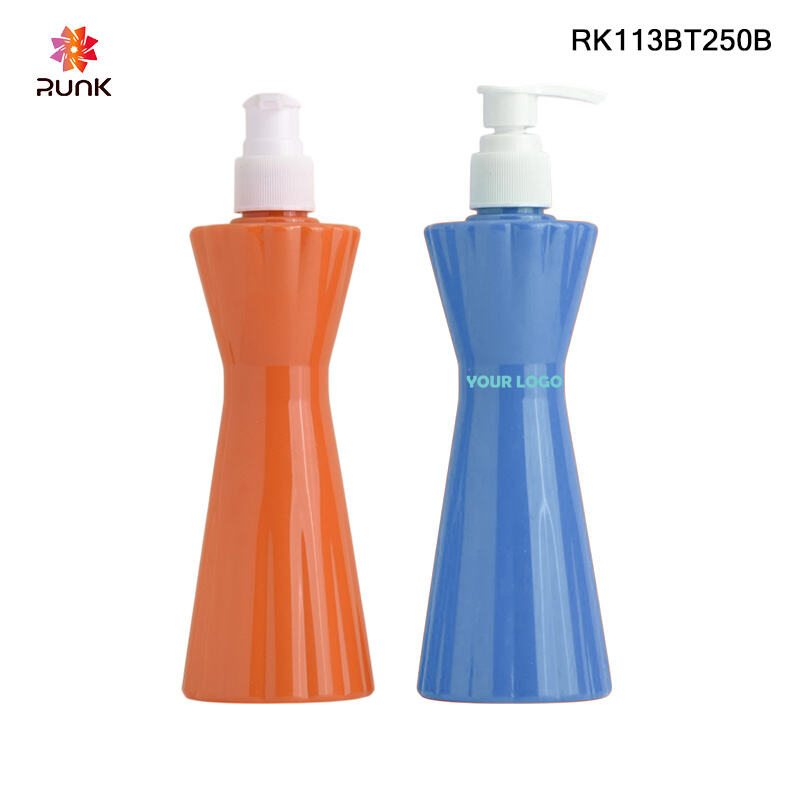
Cosmetic PET bottles deliver significant operational advantages through material efficiency. At 80% lighter than glass alternatives, they substantially reduce shipping costs and minimize breakage during transit—transportation damage studies show PET bottles incur 80% fewer losses compared to glass. This lightweighting directly translates to lower carbon emissions per shipment. The material’s inherent clarity provides premium shelf aesthetics rivaling glass, while its moldability supports custom shapes and finishes that enhance brand visibility without secondary packaging.
Chemical Compatibility with High-Performance Cosmetic Actives (Serums, Oils, Emulsions)
PET’s molecular stability ensures broad compatibility with high-value formulations. Its low chemical interaction rate preserves the integrity of pH-sensitive serums, oil-based elixirs, and emulsion-based creams by preventing leaching or degradation. Rigorous material safety testing confirms PET’s inertness with active ingredients like retinoids and vitamin C—critical for anti-aging and brightening products. Manufacturers leverage this reliability to avoid preservative overloading while meeting FDA and EU compliance standards for sensitive skincare categories.
Design Innovation and Brand Differentiation Through Cosmetic PET Bottles
Mono-Material PET Bottles Enabling Premium Texture, Transparency, and Custom Finishes
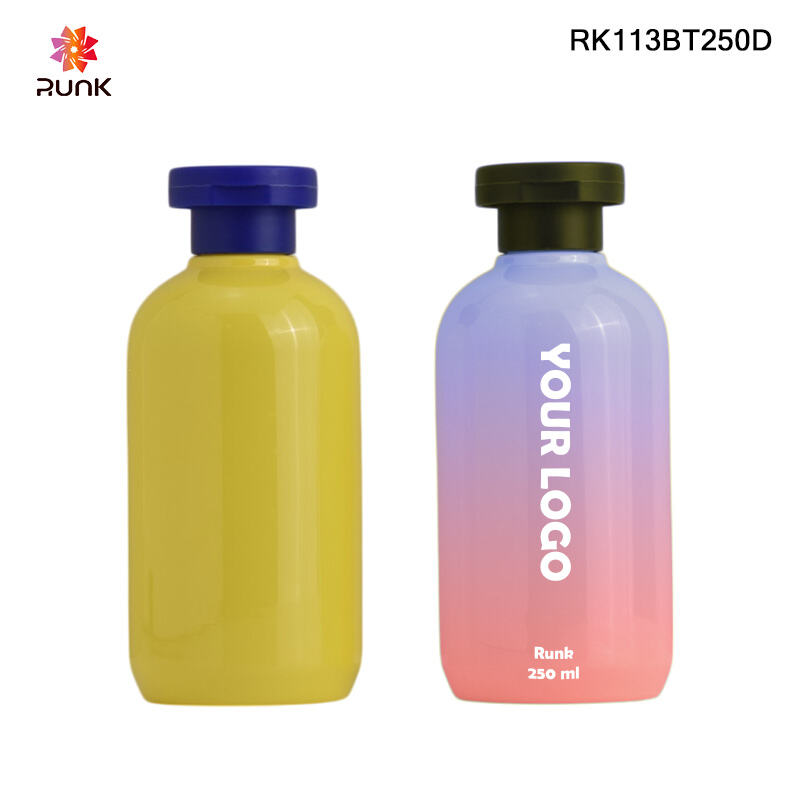
Mono-material construction simplifies recycling while providing unprecedented aesthetic flexibility. Advanced manufacturing techniques like injection blow molding achieve precise textures—from velvety matte finishes to crystal-clear transparency—matching premium brand identities. Laser-engraving enables intricate designs without compromising recyclability, while screen-printed metallics offer luxury accents. These innovations allow brands to implement distinctive visual signatures across serums, oils, and emulsions without material contamination risks. Unlike multi-layer alternatives, mono-material solutions maintain structural integrity during filling and shipping while meeting escalating sustainability demands. The compatibility with vivid pigments and custom shapes transforms packaging into a silent ambassador for brand values.
Consumer and Market Momentum Behind Cosmetic PET Bottle Demand
Shifting consumer priorities are accelerating demand for cosmetic PET bottles, with 78% of beauty shoppers now prioritizing sustainable packaging. This behavioral shift intersects with urbanization trends in emerging economies—where rising disposable incomes expand beauty product accessibility—creating fertile ground for PET adoption. Brands capitalize on this momentum by leveraging PET's logistical advantages: lightweight properties reduce shipping emissions by up to 30% compared to glass, while shatter resistance minimizes product loss during global distribution.
Simultaneously, retailers drive adoption through shelf-space allocation strategies favoring space-efficient PET formats. The material's compatibility with premium finishes—like frosted textures and metallized effects—enables luxury positioning at mid-market price points, resonating with value-conscious consumers. As regulatory pressures mount for circular packaging solutions, PET's established recycling infrastructure positions it as a future-proof choice, with major beauty conglomerates publicly committing to 50% recycled PET (rPET) content by 2025. This alignment of ethical consumption, economic pragmatism, and regulatory tailwinds solidifies PET's dominance beyond temporary trend status.
Ready to Elevate Your Beauty Line with Premium Cosmetic PET Bottles?
Cosmetic PET bottles are the cornerstone of sustainable compliance, cost-efficient logistics, and standout brand differentiation in the global beauty market — no brand can maximize its cross-border potential with generic, low-quality PET packaging. By pairing rPET/PCR materials, custom design, and mono-material recyclability with your formulation needs, you’ll unlock regulatory compliance, lower operational costs, and stronger consumer loyalty worldwide.
For industrial-grade, custom cosmetic PET bottles and sustainable rPET packaging solutions tailored to your skincare, makeup, and personal care lines, partner with a manufacturer rooted in 15+ years of global beauty packaging expertise. Runk Packaging delivers end-to-end OEM/ODM support, with a 10,000㎡ production base, 20+ automated production lines, and 8 million+ monthly output capacity. We specialize in custom PET bottle molding, premium surface finishing (matte, frosted, electroplating), PCR/rPET material integration, and strict quality control for global markets. Contact us today for a no-obligation consultation and free custom sample to build your ideal PET packaging lineup.
Frequently Asked Questions (FAQ)
What are the regulatory incentives for using rPET in cosmetic packaging?
Government mandates such as the EU’s Single-Use Plastics Directive require recycled content in bottles, encouraging brands to use rPET. Tax incentives in some regions further promote this shift.
How do cosmetic PET bottles contribute to sustainability?
PET bottles reduce material consumption and transportation emissions. They also achieve high recyclability, transforming cosmetic packaging into a circular asset.
What are the performance advantages of cosmetic PET bottles?
They are lightweight, reducing shipping costs and carbon emissions, and offer excellent chemical compatibility with cosmetic formulations.
How do PET bottles enable brand differentiation?
Mono-material PET bottles offer aesthetic flexibility with finishes and provide a sustainable option for distinctive brand packaging without contamination risks.
What drives consumer demand for cosmetic PET bottles?
Consumers prioritize sustainable packaging, alongside retailer support and regulatory pressures, which encourage brands to adopt PET formats.
Table of Contents
- Sustainability Drivers Accelerating Cosmetic PET Bottle Adoption
- Performance Advantages of Cosmetic PET Bottles for Formulations and Logistics
- Design Innovation and Brand Differentiation Through Cosmetic PET Bottles
- Consumer and Market Momentum Behind Cosmetic PET Bottle Demand
- Ready to Elevate Your Beauty Line with Premium Cosmetic PET Bottles?
- Frequently Asked Questions (FAQ)