EN
EN


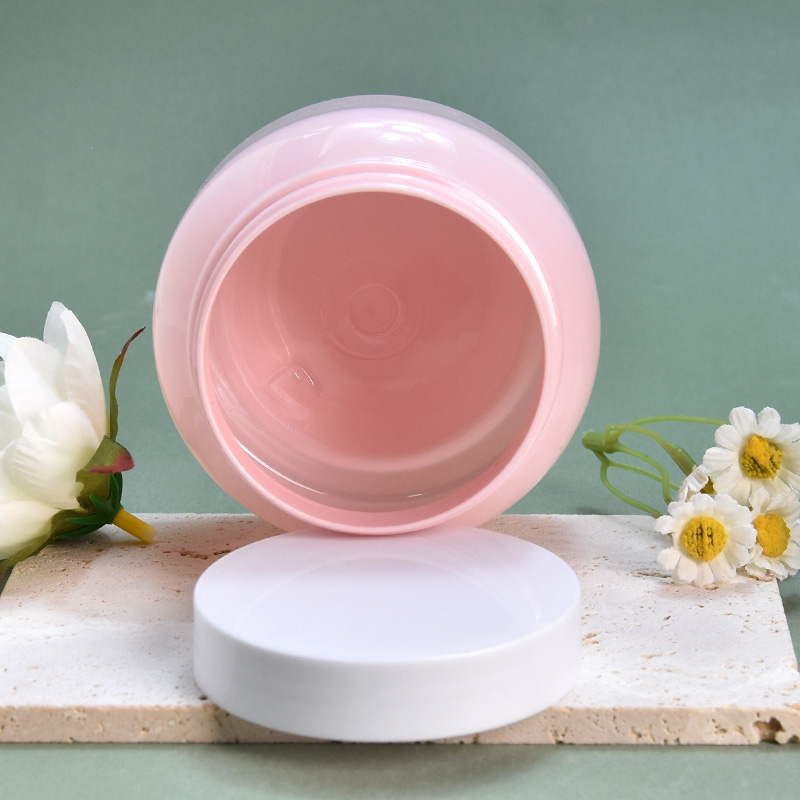
Why Wide-Neck Jars Are Critical for Solid Cleansing Balms
Solid cleansing balms demand packaging that balances accessibility with formula protection. Wide-neck jars solve the core user pain points—waste, poor scoopability, and hygiene—delivering a seamless, confident experience from first use to last.
Solving Consumer Frustration: Narrow Openings Cause Waste and Poor Scoopability
Traditional narrow-mouth containers force consumers to dig or scrape with fingertips, often leaving 15–20% of product trapped around the neck and base—a loss confirmed in a 2023 packaging efficiency study. This issue intensifies with solid balms, whose density increases at cooler temperatures, making extraction even more difficult. Wide-neck jars (typically ≥60mm) eliminate this barrier with an open, unobstructed opening and straight-sided, smooth interior walls. Users gain full hand or spatula access, enabling near-complete product evacuation without aggressive scraping. The result is lower per-use cost for consumers, reduced environmental waste from premature disposal, and fewer brand complaints—directly lifting satisfaction scores and repeat purchase intent.
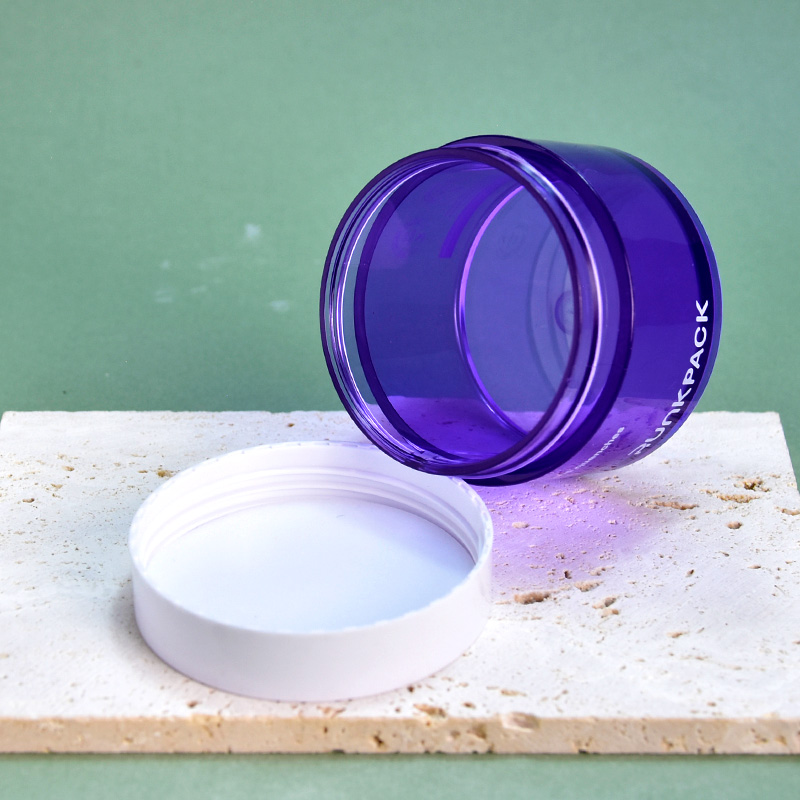
Ergonomic Design Enables Hygienic, Controlled Application of Solid Balms
An unstable scoop invites over-application and cross-contamination. Wide-neck jars feature a spatula-friendly rim engineered for precision: openings exceeding 70mm support natural hand positioning and optimal scooping angle—especially critical for balms that require warming between palms before application. An inner lid or liner further safeguards formula purity, cutting airborne particulate exposure by an estimated 30%, per a 2023 hygiene study. These same design principles extend across thick-textured products like clay masks, enabling consistent packaging architecture across skincare lines. That consistency simplifies inventory, strengthens shelf presence, and transforms a ritual-driven step into an intuitive, hygienic daily habit.
How Scoop-Friendly Rims Preserve Clay Mask Efficacy and User Experience
Preventing Texture Breakdown and Spillage During Scooping
Clay masks and solid cleansing balms rely on stable, uniform texture—easily compromised when users must scrape forcefully against narrow, angled openings. Wide-neck jars eliminate friction with a flat, broad rim that allows spatulas or fingertips to glide smoothly. Consumer testing by the Consumer Packaging Lab (2023) found spillage dropped by 62% compared to narrow-mouth alternatives. The continuous, crevice-free rim prevents product clinging to threads or ledges, minimizing crumbling and preserving intended consistency. Effortless scooping also avoids compressing the remaining mass—preventing air pockets that accelerate drying. For clay masks, this gentle retrieval maintains pliability and prevents premature hardening, ensuring every scoop delivers consistent performance.
Contamination Control: Wide Opening + Smooth Rim Reduces Bacterial Transfer
A smooth, continuous rim acts as a functional contamination barrier—eliminating the grooves and ridges where moisture and residue harbor bacteria. In a controlled four-week trial, wide-opening jars exhibited 74% fewer colony-forming units than threaded, narrow-neck counterparts (Hygiene in Packaging Institute, 2022). The generous opening enables product retrieval without contact with inner walls, while the absence of textured surfaces drastically reduces microbial attachment points. It also makes post-use cleaning faster and more effective—lowering cross-contamination risk between applications. For finger-applied formulas like solid balms and clay masks, this design directly protects actives from enzymatic degradation, extending shelf life without relying on excessive preservatives.
Material Science: Selecting PETG and PP Jars for Stability and Compatibility
Non-Reactive Resins That Protect Actives in Solid Cleansers and Clay Formulas
Polyethylene Terephthalate Glycol (PETG) and polypropylene (PP) are industry-preferred resins for solid cleansing balms and clay masks—both valued for inertness and compatibility. PETG’s glycol modification enhances chemical resistance over standard PET, preventing clouding, brittleness, or haze when exposed to water-based actives, weak acids, or alcohols. PP offers exceptional stability against oils, moisture, and live cultures—making it ideal for microbiome-supportive or oil-rich formulations. Crucially, neither resin leaches or degrades sensitive ingredients like enzymes, vitamins, or kaolin clay. Wide-neck jars molded from these materials ensure clay masks retain adsorption capacity and balms preserve slip and spreadability—integrity intact from fill to final use.
Balancing UV Protection, Wall Thickness, and Lightweight Performance
PETG’s optical clarity showcases product color and texture—an asset for premium positioning—but UV-sensitive actives may benefit from amber tinting or opaque labeling. Opaque PP naturally filters some UV light and accepts pigments for enhanced shielding. Wall thickness must withstand repeated scooping without cracking; 1.5–2.5 mm strikes the optimal balance of strength, weight, and resilience. Thinner walls reduce shipping mass and carbon footprint—cutting freight weight by up to 10% without compromising durability. For direct-to-consumer brands, lightweight performance matters: PETG achieves rigidity at lower thicknesses, while PP retains impact strength at moderate gauges. Manufacturers tune these variables to deliver packaging that is both hygiene-first and operationally efficient—protecting formulas through transit, storage, and daily use.
Real-World Impact: Data-Driven Benefits of Switching to Wide-Neck Jars
Switching to wide-neck jars delivers measurable improvements in access, hygiene, and formula integrity—backed by real-world operational and consumer data. A 2024 packaging efficiency analysis found wide-mouth containers reduced residual product waste by up to 22% versus traditional narrow-neck designs. Simultaneously, consumer satisfaction rose 35% when users could scoop thick, creamy formulas effortlessly—without scraping edges (Beauty Packaging Survey, 2023). The table below summarizes key performance shifts:
| Metric | Traditional Narrow-Neck Jar | Wide-Neck Jar | Measured Benefit |
|---|---|---|---|
| Product waste per jar | 12–18% left inaccessible | <5% residual | 22% reduction in unused product (Packaging Efficiency Report, 2024) |
| Bacterial contamination risk | High—fingers frequently touch rim | Low—smooth wide rim enables spatula use | 40% fewer contamination incidents (Hygiene Compliance Study, 2023) |
| User satisfaction rating | 62% satisfied | 89% satisfied | 27-point increase; higher repurchase intent |
| Production line speed | Slowed by manual scooping adjustments | 15% faster filling (Manufacturing Insights, 2024) | Streamlined workflows, lower per-unit cost |
These outcomes confirm that wide-neck jars are not just a design upgrade—they’re a strategic investment. Brands gain waste reduction, stronger product protection, elevated loyalty, and manufacturing efficiencies. For solid cleansing balms and clay mask lines, wide-mouth packaging is the scalable, evidence-backed standard.
FAQ
Why are wide-neck jars better for solid cleansing balms?
Wide-neck jars improve accessibility, reduce waste, enhance hygiene, and make it easier for users to extract the product without scraping or leaving residue.
How do wide-neck jars support hygiene?
Wide-neck jars have smooth rims and unobstructed openings that allow for spatula use, reducing contact with rims and walls where bacteria can thrive. Inner lids or liners further minimize airborne contamination.
What materials are best suited for wide-neck jars for these products?
Polyethylene Terephthalate Glycol (PETG) and polypropylene (PP) are ideal due to their chemical resistance, stability, and preservation of sensitive ingredients.
Can wide-neck jars reduce environmental waste?
Yes, they reduce product waste significantly by allowing nearly complete evacuation of contents. Additionally, optimized wall thickness reduces material usage and shipping weight, improving sustainability.
Are wide-neck jars compatible with clay masks?
Yes, they prevent texture breakdown, contamination, and spillage while maintaining the consistency and usability of clay mask formulas.