EN
EN


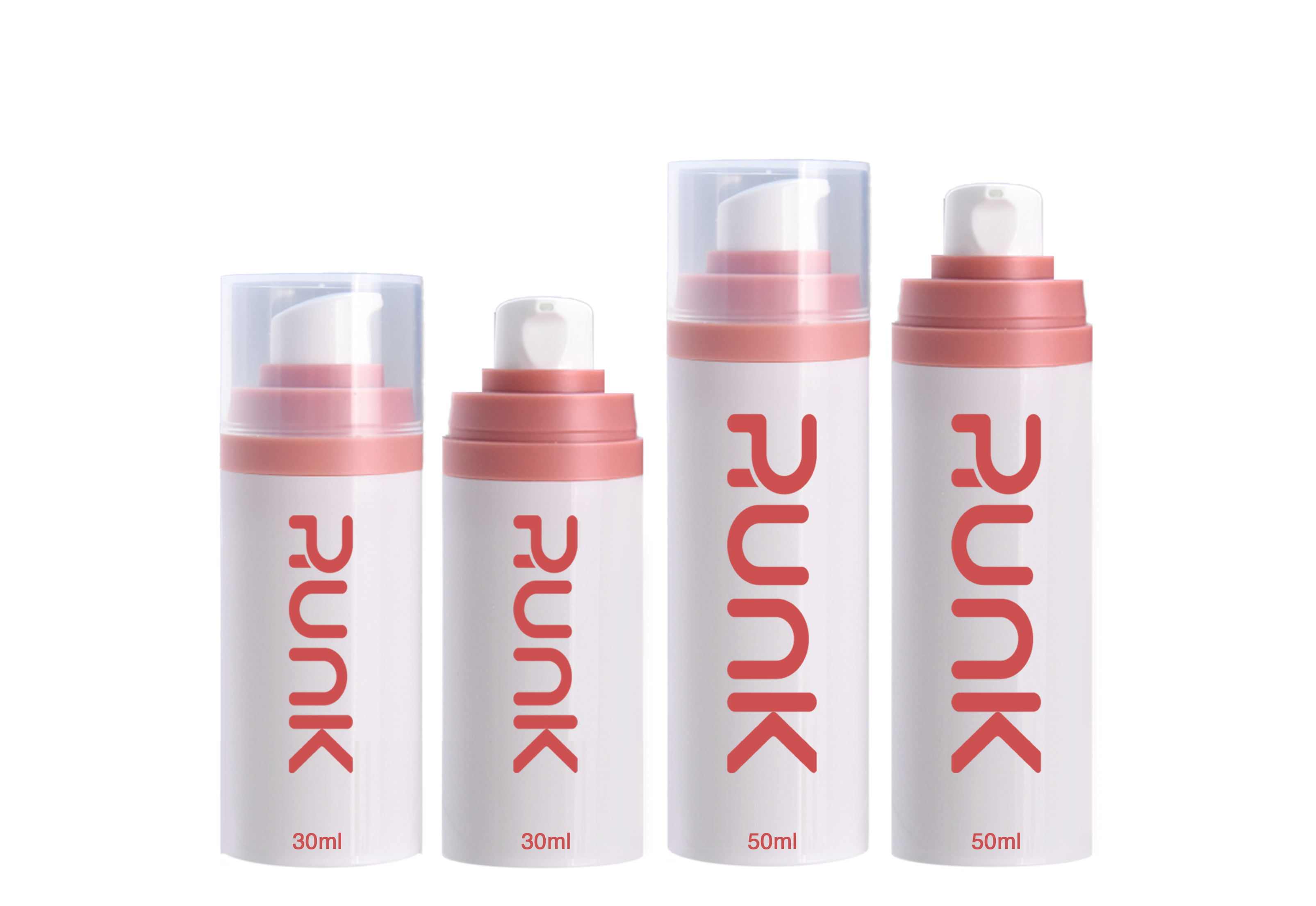
The cosmetic industry faces increasing pressure to adopt sustainable practices, and eco friendly cosmetic packaging has emerged as a critical differentiator in 2026. Brands that prioritize environmentally responsible packaging not only meet regulatory expectations but also respond to consumer demand for transparency and sustainability. Eco friendly cosmetic packaging reduces plastic waste, lowers carbon footprints, and aligns with the values of modern consumers who actively seek products from environmentally conscious companies.
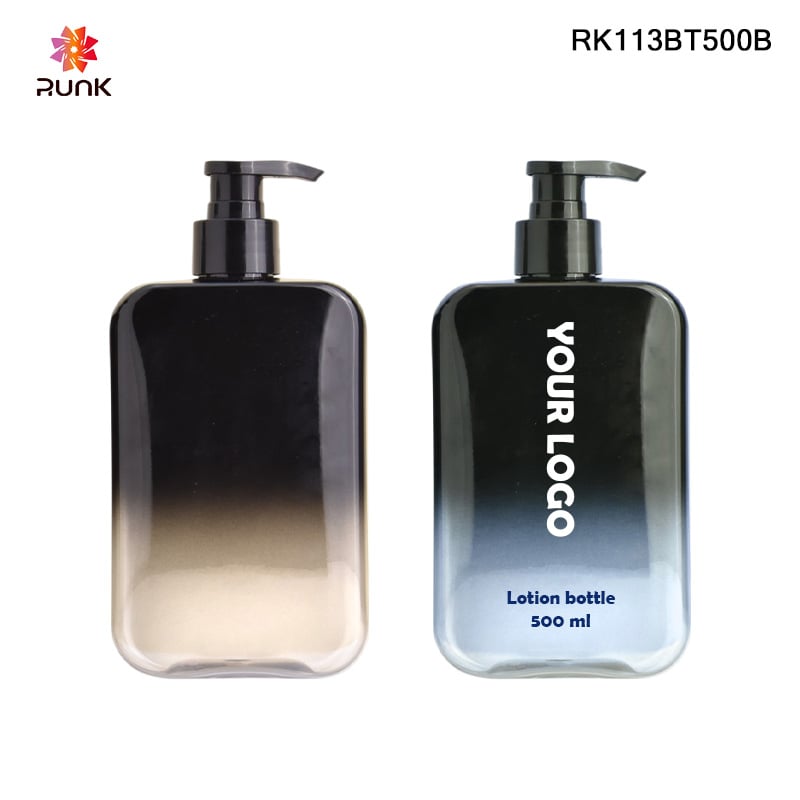
Implementing eco friendly cosmetic packaging is no longer a luxury—it is a business necessity. Companies investing in sustainable materials and production methods gain competitive advantage while reducing operational costs over time. The shift toward eco friendly cosmetic packaging reflects broader industry transformation driven by stricter environmental regulations, supply chain transparency demands, and the growing recognition that sustainability enhances brand reputation and customer loyalty.
Environmental Impact and Sustainability Benefits
Reducing Plastic Waste Through Eco Friendly Cosmetic Packaging
Traditional cosmetic packaging generates millions of tons of plastic waste annually, with much of it ending up in landfills and oceans. Eco friendly cosmetic packaging addresses this crisis by utilizing biodegradable, recyclable, and compostable materials that minimize environmental damage. Glass, aluminum, recycled plastics, and plant-based containers represent the core alternatives that transform how cosmetics reach consumers. By switching to eco friendly cosmetic packaging, brands immediately reduce their contribution to global plastic pollution while signaling commitment to environmental stewardship.
Carbon Footprint Reduction in Production
The manufacturing process for eco friendly cosmetic packaging typically requires less energy compared to virgin plastic production. Recycled materials and lightweight designs lower transportation emissions, while suppliers increasingly adopt renewable energy sources in their facilities. Eco friendly cosmetic packaging manufacturers are investing in carbon-neutral production methods, further reducing the overall environmental impact. When brands choose eco friendly cosmetic packaging made from recycled content or sustainably harvested materials, they actively participate in climate change mitigation efforts that resonate with environmentally conscious consumers.
Market Demand and Consumer Preference Shifts
Consumer Expectations for Eco Friendly Cosmetic Packaging
Modern consumers expect eco friendly cosmetic packaging as a standard feature rather than a premium option. Market research consistently shows that 73% of global consumers consider environmental impact when making purchasing decisions, with cosmetics ranking among top categories for sustainable packaging expectations. Eco friendly cosmetic packaging communicates brand values instantly and builds trust with audiences who prioritize sustainability. Companies that fail to offer eco friendly cosmetic packaging risk losing market share to competitors who embrace sustainable alternatives more readily.
Brand Differentiation Through Sustainable Choices
Eco friendly cosmetic packaging serves as a powerful brand differentiator in crowded markets where product quality alone may not guarantee success. Brands featuring eco friendly cosmetic packaging attract premium customer segments willing to pay higher prices for sustainable products. The narrative around eco friendly cosmetic packaging creates marketing opportunities that extend beyond environmental benefit—it signals innovation, responsibility, and alignment with future-forward values. Companies that authentically communicate their eco friendly cosmetic packaging initiatives gain enhanced brand recognition and customer loyalty.
Regulatory Compliance and Industry Standards
Meeting Global Environmental Regulations
Governments worldwide are implementing stricter regulations on single-use plastics and non-recyclable packaging materials, making eco friendly cosmetic packaging increasingly mandatory rather than optional. The European Union's packaging directive, extended producer responsibility schemes, and plastic bans in multiple countries push brands toward eco friendly cosmetic packaging adoption. Regulatory compliance through eco friendly cosmetic packaging protects businesses from fines, supply chain disruptions, and market access restrictions. Brands proactively investing in eco friendly cosmetic packaging today avoid future compliance challenges and demonstrate industry leadership.
Certification and Standards for Sustainable Materials
Credible eco friendly cosmetic packaging relies on third-party certifications including FSC, PEFC, recyclability labels, and biodegradability standards. These certifications validate that eco friendly cosmetic packaging truly meets environmental claims and prevents greenwashing accusations. Industry standards for eco friendly cosmetic packaging ensure consistent quality, material safety, and environmental performance across supply chains. When selecting eco friendly cosmetic packaging, brands should verify certifications and understand the lifecycle impact of materials to make genuinely sustainable choices.
Implementation Strategies and Practical Considerations
Transitioning to Eco Friendly Cosmetic Packaging
Successfully adopting eco friendly cosmetic packaging requires strategic planning across product design, supplier selection, and consumer communication. Brands must balance sustainability goals with functional requirements including product protection, shelf stability, and regulatory compliance. Eco friendly cosmetic packaging implementation often involves redesigning formulations to work with new materials or adjusting product shelf life estimates. Companies that phase in eco friendly cosmetic packaging gradually, starting with bestselling products, minimize operational disruption while building consumer familiarity with sustainable alternatives.
Cost Management and Long-Term Value
While initial eco friendly cosmetic packaging costs may exceed conventional options, total cost of analysis reveals long-term financial benefits through reduced waste management expenses, improved brand valuation, and premium pricing opportunities. Eco friendly cosmetic packaging suppliers increasingly offer competitive pricing as production scales and material sourcing improves. Companies investing in eco friendly cosmetic packaging often recover initial expenses within 18-36 months through premium margins and expanded customer bases. Strategic procurement of eco friendly cosmetic packaging materials, combined with supply chain optimization, makes sustainability financially viable for brands of all sizes.
FAQ
What materials are best for eco friendly cosmetic packaging?
The best materials for eco friendly cosmetic packaging depend on product type and environmental priorities. Glass offers excellent recyclability and product protection. Aluminum provides lightweight durability with high recycling rates. Recycled plastics and bioplastics reduce virgin material consumption. Paper and cardboard serve as compostable options for secondary packaging. Sustainable material selection for eco friendly cosmetic packaging should consider the product's specific needs, shelf life requirements, and target market preferences while prioritizing materials with established recycling infrastructure in intended markets.
How does eco friendly cosmetic packaging affect product pricing?
Eco friendly cosmetic packaging typically increases product costs by 5-15% depending on material choice and production volume. However, brands can offset these costs through premium pricing strategies, reduced waste management expenses, and expanded market reach among environmentally conscious consumers. Eco friendly cosmetic packaging investments often generate return through improved brand perception and customer loyalty. Long-term supply chain optimization and increased material production capacity continue reducing eco friendly cosmetic packaging costs, making sustainable options increasingly price-competitive with conventional packaging.
Is eco friendly cosmetic packaging truly recyclable and compostable?
Eco friendly cosmetic packaging's recyclability and compostability depends on material composition and local waste infrastructure. Glass and aluminum from eco friendly cosmetic packaging are infinitely recyclable through established systems in most developed regions. Bioplastics and compostable materials from eco friendly cosmetic packaging require specific industrial composting facilities not universally available. Brands choosing eco friendly cosmetic packaging should verify that target markets have appropriate recycling or composting infrastructure and clearly communicate disposal instructions to consumers to maximize environmental benefits.