EN
EN


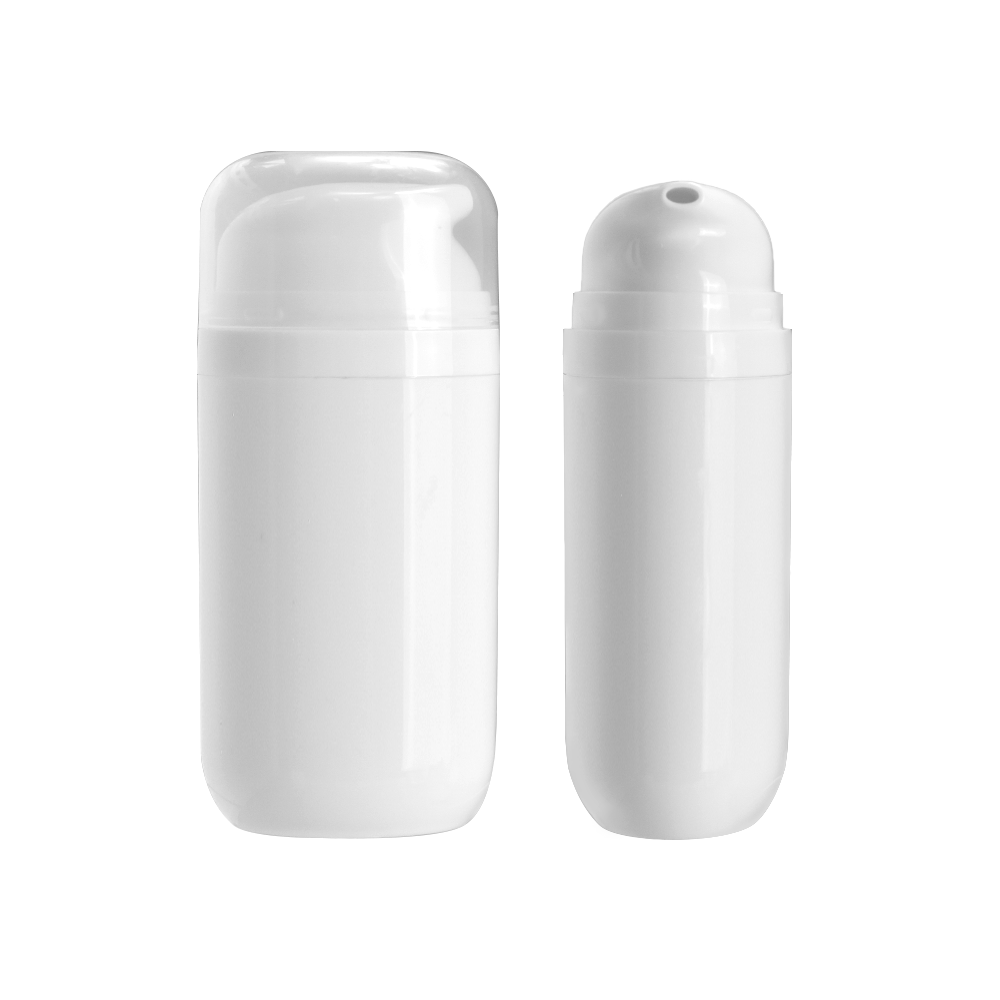
The cosmetics industry faces constant pressure to deliver products that maintain potency, safety, and consumer satisfaction. Airless containers cosmetics have emerged as a transformative packaging solution that addresses these challenges while meeting modern sustainability expectations. Unlike traditional jars and bottles that expose products to air and contamination, airless containers cosmetics use pump mechanisms and collapsible designs to dispense only the amount needed, keeping the remaining product completely sealed from oxidation and microbial intrusion. This innovation represents a fundamental shift in how brands approach product preservation, consumer trust, and environmental responsibility.
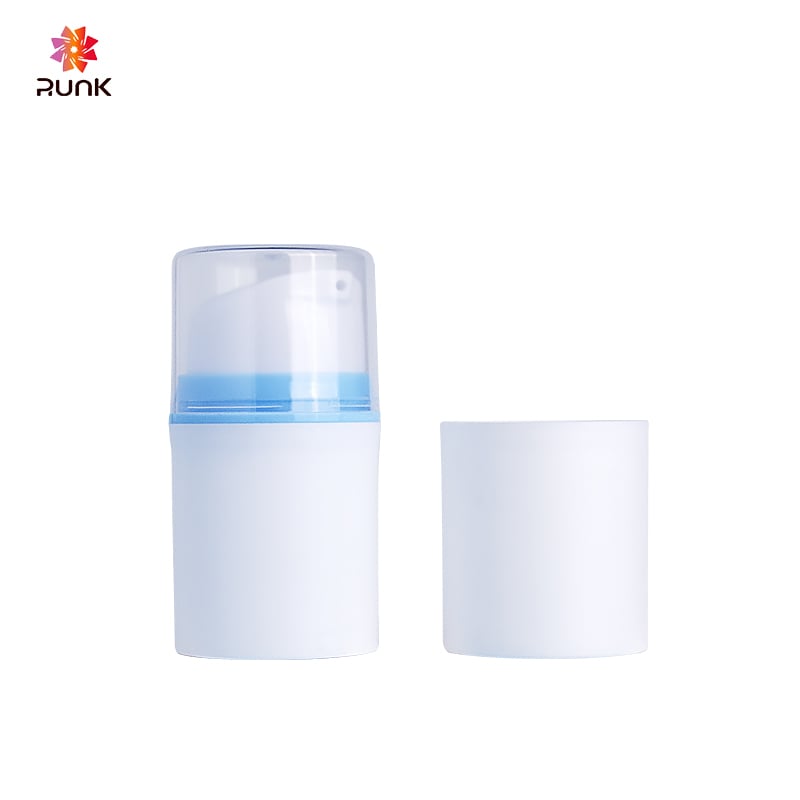
For cosmetic manufacturers and brand owners, selecting the right packaging directly influences product quality, shelf life, regulatory compliance, and market positioning. Airless containers cosmetics offer measurable advantages that justify their adoption across premium skincare, serums, sunscreen, and treatment product categories. Understanding these benefits helps decision-makers align packaging choices with brand values and consumer expectations.
Extended Product Shelf Life and Stability
Oxygen and Contamination Protection
One of the most significant benefits of airless containers cosmetics is the elimination of oxygen exposure during product use. Traditional containers expose the product surface to air every time they are opened, initiating oxidation reactions that degrade active ingredients, alter textures, and reduce efficacy. Airless containers cosmetics prevent this degradation by using sealed pump systems where the product is pushed upward by an expanding diaphragm, never allowing ambient air to contact the formula. This mechanism is particularly critical for serums containing vitamin C, retinol, peptides, and botanical extracts that are highly susceptible to oxidative breakdown.
Beyond oxygen protection, airless containers cosmetics create a barrier against bacterial, mold, and microbial contamination that can occur when fingers, applicators, or environmental particles come into contact with traditional jar packaging. In regulated cosmetics manufacturing, airless containers cosmetics meet stringent USP <797> and ISO standards for pharmaceutical-grade preservation, reducing the need for excessive chemical preservatives. This dual protection means formulations remain stable throughout their intended shelf life, delivering consistent performance to consumers with minimal risk of spoilage or quality degradation.
Reduced Preservative Requirements
Because airless containers cosmetics eliminate most contamination pathways, brands can formulate with lower preservative concentrations while maintaining safety and stability. This reduction appeals to consumers seeking 'clean beauty' products without synthetic chemical additives, allowing formulators to emphasize natural or minimal preservative systems. Airless containers cosmetics enable brands to differentiate products as cleaner, more natural, and safer for sensitive skin types, creating marketing value alongside genuine product benefits.
Enhanced Consumer Experience and Brand Trust
Precise Dispensing and Product Waste Reduction
Airless containers cosmetics use pump or airless tube designs that deliver controlled, single-dose dispensing, eliminating the waste and mess associated with traditional jars. Consumers benefit from hygiene advantages, as hands never touch the product, reducing contamination risks and improving the overall user experience. For premium formulations with high active ingredient concentrations, this precise dosing ensures consumers use optimal amounts rather than over-applying or under-applying due to difficulty extracting product from traditional packaging.
The efficiency of airless containers cosmetics also increases perceived value and product longevity. When consumers see that they need only a small pump application rather than a generous fingertip amount from a jar, the product lasts longer, generating positive word-of-mouth recommendations. This efficiency translates to lower cost-per-use, making premium-priced formulations more accessible and justifying higher retail positioning for brands using airless containers cosmetics.
Professional and Sophisticated Brand Image
Packaging communicates brand identity and quality positioning. Airless containers cosmetics convey innovation, scientific sophistication, and premium quality, naturally differentiating brands in competitive markets. Whether displayed on retail shelves or featured in online imagery, airless containers cosmetics signal to consumers that the brand prioritizes product integrity and consumer safety. This perception supports premium pricing strategies and attracts consumers willing to invest in advanced skincare solutions delivered through professional-grade packaging.
Sustainability and Regulatory Alignment
Material Efficiency and Environmental Responsibility
Airless containers cosmetics reduce material waste by allowing complete product extraction, meaning consumers use nearly all contents without abandoned residue at the bottom of jars. This efficiency decreases the total quantity of packaging required per consumer per year, lowering environmental impact and aligning with circular economy principles. Additionally, many airless containers cosmetics manufacturers now offer recyclable or refillable designs, supporting brand sustainability commitments and appeal to environmentally conscious consumers.
The reduced need for preservatives in formulations using airless containers cosmetics also decreases chemical discharge into water systems during consumer use and product disposal. This environmental alignment strengthens corporate social responsibility messaging and supports compliance with increasingly strict environmental regulations in markets including Europe, North America, and Asia-Pacific regions. Brands adopting airless containers cosmetics position themselves as responsible stewards of environmental resources, attracting retail partners and consumer bases that prioritize sustainability.
Global Regulatory Compliance
Regulatory bodies worldwide, including the FDA, European Commission, and national health authorities, recognize airless containers cosmetics as preferred packaging for products making stability, preservation, or safety claims. Airless containers cosmetics simplify compliance with labeling requirements by demonstrating that products are preserved through physical mechanism rather than chemical preservative burden alone. This regulatory alignment reduces the risk of product recalls, market rejections, or compliance violations, protecting brand reputation and market access across international regions.
FAQ
What types of cosmetic products benefit most from airless containers cosmetics?
Airless containers cosmetics are ideal for serums, essences, concentrated treatments, sunscreen, and skincare formulations containing unstable active ingredients like vitamins, peptides, or plant extracts. Products targeting sensitive skin, acne-prone skin, or anti-aging benefits see the greatest advantage from airless containers cosmetics because these formulations demand maximum stability and minimum contamination risk. Airless containers cosmetics also work well for premium moisturizers, face masks, and body care products positioned in the luxury segment where packaging sophistication influences purchase decisions.
How do airless containers cosmetics compare to traditional jar packaging in terms of cost?
Airless containers cosmetics typically carry higher initial packaging costs than basic jars, but this investment generates returns through extended shelf life, reduced preservative requirements, and increased perceived value justifying premium pricing. For brands targeting professional or luxury markets, the cost differential is quickly offset by pricing strategy and consumer willingness to pay. Airless containers cosmetics also reduce product waste during manufacturing and consumer use, offsetting some packaging expense through operational efficiency gains.
Are airless containers cosmetics compatible with all types of formulations?
Airless containers cosmetics work effectively with most liquid, gel, serum, and emulsion formulations but may be less suitable for thick creams or products containing large particles that could clog pump mechanisms. Manufacturers can customize airless containers cosmetics designs with different pump styles, viscosity tolerances, and interior coatings to accommodate specific formula requirements. Consultation with packaging specialists ensures airless containers cosmetics are selected and configured to maintain product integrity and optimal consumer experience throughout shelf life.