EN
EN

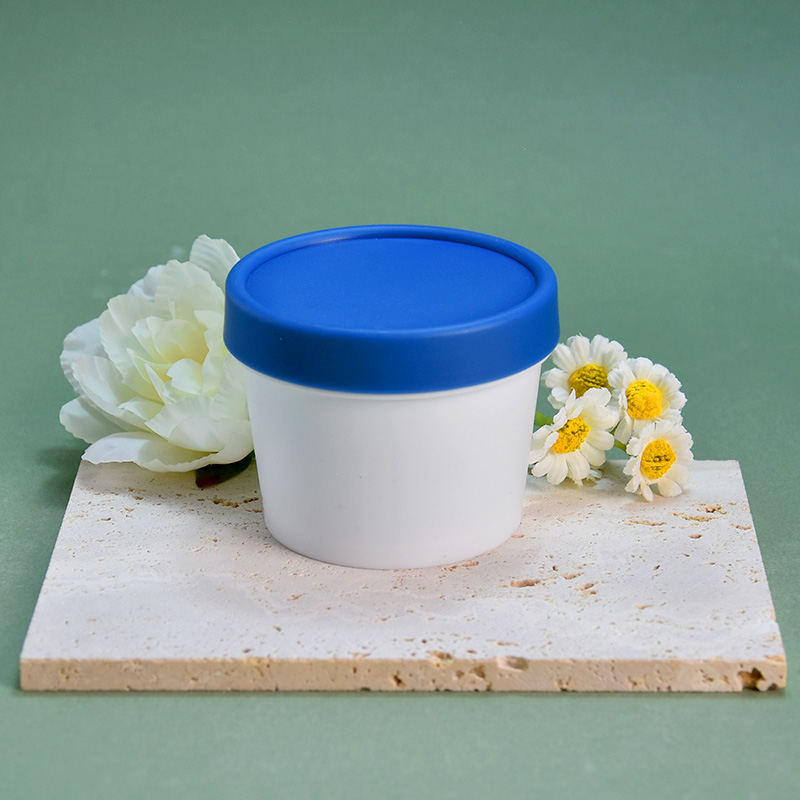
Selecting the right packaging is one of the most critical decisions for cosmetic brands today. As consumer demand for sustainability grows, eco friendly cosmetic jars have become essential for companies that want to align their products with environmental values. However, choosing eco friendly cosmetic jars involves far more than simply picking a green-colored container. The decision requires careful evaluation of materials, functionality, cost implications, and how well the eco friendly cosmetic jars support your brand's long-term vision.
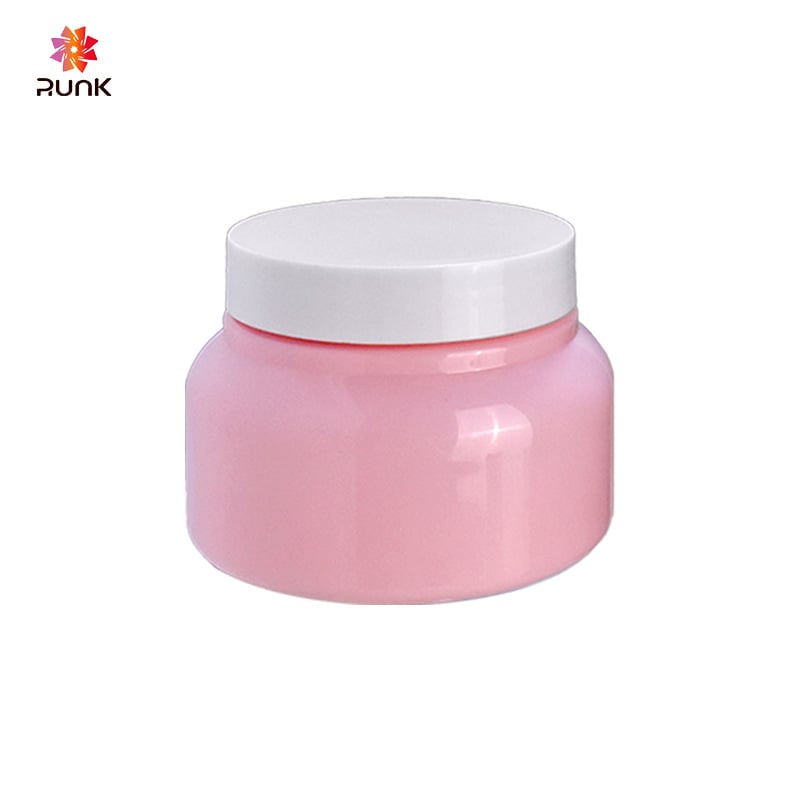
This guide walks you through the key factors that influence eco friendly cosmetic jars selection. Whether you're launching a new skincare line, reformulating existing products, or simply upgrading your packaging strategy, understanding these factors will help you make informed decisions that benefit both your business and the environment. Eco friendly cosmetic jars serve as the face of your product while protecting its integrity, making the selection process a balance between aesthetics, sustainability, and practical performance.
Material Selection for Eco Friendly Cosmetic Jars
Understanding Recyclable and Biodegradable Options
The foundation of any eco friendly cosmetic jars strategy begins with material choice. Glass remains one of the most popular options for eco friendly cosmetic jars because it is fully recyclable, chemically inert, and preserves product quality indefinitely. Recycled glass for eco friendly cosmetic jars reduces environmental impact compared to virgin glass production, cutting energy consumption by up to 40 percent. Many brands now prefer eco friendly cosmetic jars made from post-consumer recycled glass because this choice directly supports circular economy principles.
Bioplastics and plant-based plastics represent an emerging category for eco friendly cosmetic jars. These materials come from renewable sources like sugarcane or corn starch and break down more quickly than conventional petroleum-based plastics. However, eco friendly cosmetic jars made from bioplastics require specific industrial composting conditions, which limits their practical end-of-life value in many regions. When evaluating eco friendly cosmetic jars made from alternative materials, verify that your target market has access to composting facilities that accept these materials.
Durability and Product Protection
Eco friendly cosmetic jars must protect your product effectively throughout its shelf life. Glass eco friendly cosmetic jars excel at protecting sensitive formulations from light exposure and oxidation, making them ideal for serums, oils, and anti-aging creams. The opacity and thickness of eco friendly cosmetic jars also influence how well they shield products from UV rays. Miron glass, a specialized violet glass used in some premium eco friendly cosmetic jars, provides additional light protection while maintaining an environmentally responsible profile.
Plastic-based eco friendly cosmetic jars require careful consideration of barrier properties. Some eco friendly cosmetic jars made from recycled plastic may have different molecular structures than virgin plastic, potentially affecting how well they resist product absorption or chemical interaction. Testing your specific formulation with sample eco friendly cosmetic jars before full production ensures that your chosen eco friendly cosmetic jars maintain product stability, texture, and efficacy over the intended shelf life.
Design, Functionality, and Consumer Experience
Accessibility and Practical Usage
The design of eco friendly cosmetic jars directly impacts consumer satisfaction and product waste. Wide-mouth eco friendly cosmetic jars make product extraction easier and reduce the amount left behind, ultimately maximizing product usage and consumer value. Lid design is equally important—eco friendly cosmetic jars with secure, easy-to-open lids encourage proper closure and prevent contamination. Some eco friendly cosmetic jars feature airless pump systems or spatula accessories, which further reduce product waste while improving the user experience.
Size and weight of eco friendly cosmetic jars also affect how consumers perceive value. Oversized eco friendly cosmetic jars may suggest abundance, while compact eco friendly cosmetic jars appeal to travelers and minimize packaging waste. The right balance ensures that your eco friendly cosmetic jars feel substantial and premium without creating unnecessary excess packaging material or shipping inefficiency.
Branding and Visual Identity
Eco friendly cosmetic jars serve as your brand's primary visual touchpoint on store shelves and in customer bathrooms. The aesthetic quality of eco friendly cosmetic jars influences purchasing decisions and brand perception significantly. Frosted or colored glass for eco friendly cosmetic jars can convey sophistication and sustainability simultaneously, while eco friendly cosmetic jars with minimalist labels align with eco-conscious brand values. Labels and printing methods on eco friendly cosmetic jars should also reflect your sustainability commitment—water-based inks and recyclable label materials complement the benefits of eco friendly cosmetic jars.
Transparency in communication is crucial when marketing eco friendly cosmetic jars. Clearly labeling eco friendly cosmetic jars with recycling symbols, material percentages, and end-of-life instructions helps consumers make informed choices. Eco friendly cosmetic jars that prominently display recycled content percentages build consumer trust and demonstrate your brand's authentic commitment to environmental responsibility.
Cost Analysis and Supply Chain Considerations
Budget Impact and Production Scaling
Cost remains a significant factor when selecting eco friendly cosmetic jars. Glass eco friendly cosmetic jars typically carry higher per-unit costs than conventional plastic alternatives, though prices for eco friendly cosmetic jars have become increasingly competitive as demand grows. The total cost equation for eco friendly cosmetic jars includes not only container price but also shipping weight, storage requirements, and compatibility with existing filling equipment. Calculating the true cost of eco friendly cosmetic jars across your entire supply chain ensures that sustainability goals don't create unsustainable financial burdens.
Minimum order quantities for eco friendly cosmetic jars can present challenges for emerging brands. Many manufacturers of eco friendly cosmetic jars require large initial orders, which impacts cash flow and inventory management. Negotiating with suppliers of eco friendly cosmetic jars about flexible ordering or exploring shared container designs with other brands can reduce the financial barriers associated with eco friendly cosmetic jars.
Supply Chain Transparency and Sourcing
Understanding where your eco friendly cosmetic jars originate matters both for quality control and sustainability claims. Sourcing eco friendly cosmetic jars from manufacturers with established recycling partnerships ensures that post-consumer waste actually reenters the production cycle. Transportation distance for eco friendly cosmetic jars impacts the overall carbon footprint of your packaging, so evaluating local suppliers of eco friendly cosmetic jars can reduce environmental impact significantly.
Documentation and certification matter when marketing eco friendly cosmetic jars. Third-party certifications for eco friendly cosmetic jars—such as recycled content verification or carbon-neutral manufacturing claims—provide credibility that supports your sustainability messaging. Requesting detailed specifications and sustainability reports from suppliers of eco friendly cosmetic jars demonstrates your brand's commitment to transparency and accountability in the packaging selection process.
FAQ
What materials are best for eco friendly cosmetic jars?
Glass and recycled plastic are the two primary materials for eco friendly cosmetic jars, each with distinct advantages. Glass eco friendly cosmetic jars offer superior product protection and infinite recyclability, while recycled plastic eco friendly cosmetic jars reduce weight and shipping carbon footprint. The best material for eco friendly cosmetic jars depends on your product formulation, target market, and sustainability priorities. Some brands use eco friendly cosmetic jars with hybrid designs that combine glass with recycled plastic components to balance performance and environmental impact.
How do eco friendly cosmetic jars affect product pricing?
Eco friendly cosmetic jars typically cost more than standard plastic containers, which can increase your overall product price. However, consumers increasingly accept premium pricing for eco friendly cosmetic jars, viewing them as evidence of brand values. Marketing the benefits of eco friendly cosmetic jars—durability, reusability, and environmental responsibility—helps justify pricing differences. Many brands find that investing in eco friendly cosmetic jars enhances brand loyalty and customer lifetime value, offsetting initial cost increases.
Can eco friendly cosmetic jars be customized for small brands?
Yes, customization options for eco friendly cosmetic jars exist at various scales, though smaller brands may face higher per-unit costs and minimum order requirements. Many manufacturers offer semi-custom or stock designs for eco friendly cosmetic jars that balance cost efficiency with branding flexibility. Working with packaging suppliers who specialize in eco friendly cosmetic jars for emerging brands can help identify cost-effective customization solutions that align with your budget and sustainability goals.