EN

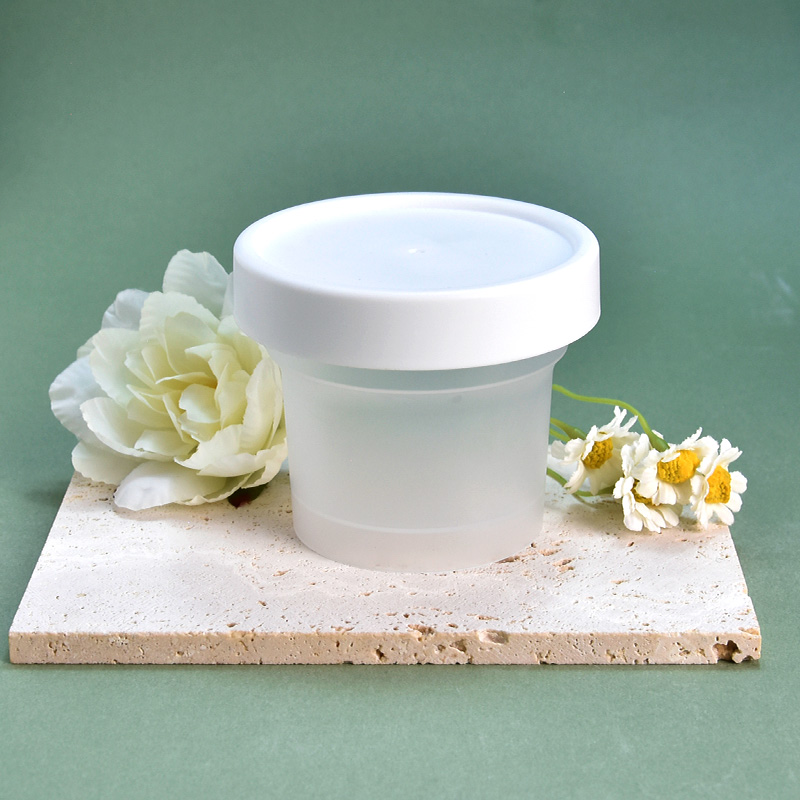
Choosing between a vacuum cream jar and a standard cream jar affects more than the appearance of a skincare product. It influences how the formula is dispensed, how easily consumers use it, and how well the packaging suits the product's ingredients and price point.
For skincare brands, the decision often comes down to a practical question: does the formulation need the additional protection and controlled dispensing of an airless system, or will a conventional jar do the job?
Both options have a place in cosmetic packaging. Understanding their differences helps manufacturers, private-label brands, and packaging buyers choose a solution that balances product requirements, production costs, and customer expectations.
Vacuum Cream Jar vs Standard Jar: Key Differences
The main difference lies in how consumers access the product.
A vacuum cream jar uses an airless dispensing mechanism, often with an internal piston that moves upward as the product is dispensed. This design helps limit direct air exposure and allows users to access the cream without dipping their fingers into the container.
A standard cream jar has a wide opening and a removable lid. It is simple to fill and use, but the product is exposed to air whenever the jar is opened. Repeated finger contact may also introduce contaminants, depending on how the product is handled.
| Feature | Vacuum cream jar | Standard cream jar |
|---|---|---|
| Dispensing | Pump or airless mechanism | Direct access through a wide opening |
| Air exposure | Helps reduce exposure during use | Exposed when the lid is removed |
| Hygiene | Reduces the need for finger contact | Depends partly on user handling |
| Product access | Controlled dispensing | Easy access to the cream |
| Packaging cost | Generally more complex | Often more economical |
| Customization | Colors, finishes, and selected components | Wide range of shapes, lids, and finishes |
The better option depends on the formulation, intended use, target market, and budget rather than on packaging technology alone.
How a Vacuum Cream Jar Works
An airless jar uses a mechanical dispensing system to push the product toward the outlet. Depending on the design, a rising piston or another displacement mechanism helps deliver the cream as the user presses the pump.
Because the system limits the amount of air entering the product chamber, it can be useful for formulations that are sensitive to oxidation. It also reduces direct contact between the user's fingers and the remaining cream.
However, an airless package does not automatically make a cosmetic formula sterile or guarantee a longer shelf life. Product stability still depends on the ingredients, formulation, manufacturing hygiene, closure performance, and storage conditions.
For brands developing moisturizers, anti-aging creams, or products containing sensitive active ingredients, testing the actual formula in the selected packaging is an important step before mass production.
When Is a Standard Cream Jar the Better Choice?
Standard jars remain popular because they are straightforward to manufacture, fill, and use. Their wide openings are convenient for thicker creams, body butters, masks, and scrubs that consumers may prefer to scoop out directly.
They also provide a large surface for branding. Buyers can explore different capacities, lid styles, colors, and decorative finishes without necessarily incorporating a more complex dispensing mechanism.
For brands managing large production volumes or price-sensitive product lines, a standard jar may provide the right balance of cost and functionality.
RUNK offers conventional cosmetic jars in materials including PP and PET, with product options for face creams, body care, scrubs, and other skincare applications. Its listed customization services include color matching, logo printing, and surface decoration.
Explore RUNK's cosmetic jar range to compare available packaging styles.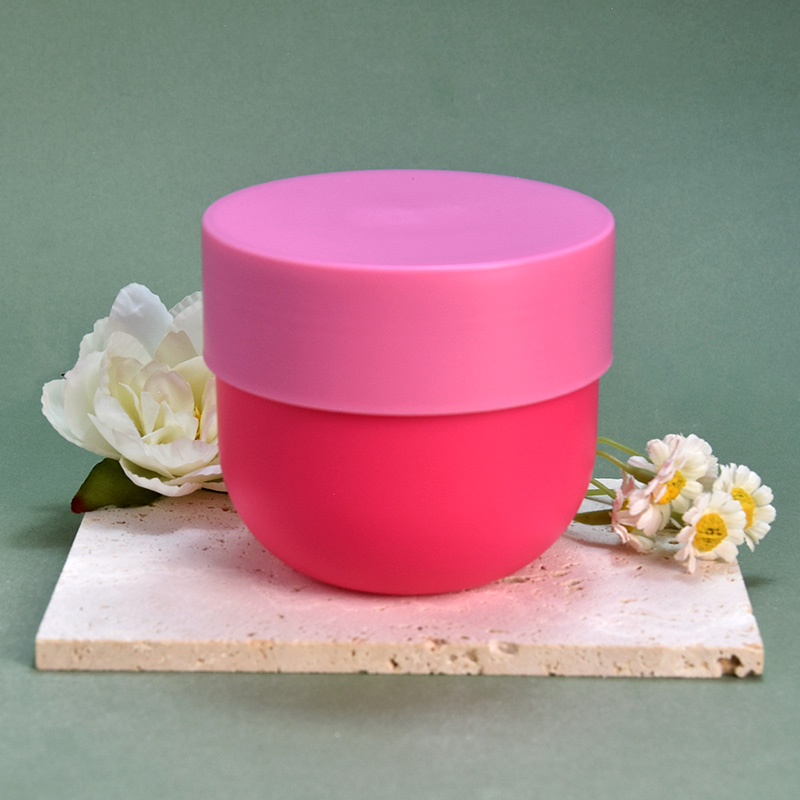
Choosing the Right Packaging for Your Formula
Packaging should be selected according to how the product behaves, not just how the finished package looks.
Sensitive Skincare Formulations
Products containing oxidation-sensitive ingredients may benefit from packaging that limits air exposure. An airless system can be worth evaluating for selected serums, moisturizers, and anti-aging creams.
Buyers should still conduct compatibility and stability testing. The package must work with the actual formulation, and the dispensing mechanism must deliver the product consistently.
Thick Creams and Body Care Products
Thick moisturizers, body butters, and exfoliating scrubs may be easier to access through a wide-mouth jar. The opening should be large enough for convenient use, while the lid and sealing structure should help prevent leakage during storage and transportation.
Premium Skincare Lines
Packaging also shapes the customer's first impression. Airless dispensing can create a modern, technical appearance, while a standard jar with a frosted finish, distinctive lid, or carefully selected color can deliver a premium look of its own.
The choice should reflect the brand's positioning and the way customers are expected to use the product.
Customization and Manufacturing Considerations
Selecting the packaging structure is only the first step. Buyers must also consider material, dimensions, decoration, component compatibility, and quality control.
RUNK provides cosmetic packaging options and customization services for brands developing their own product lines. Its airless packaging range includes options for customized dimensions and logo decoration, while its broader cosmetic packaging range covers bottles, jars, and different dispensing formats.
Before confirming an order, buyers should review:
Material: Confirm the material specification and its compatibility with the formula.
Capacity and dimensions: Select a size that suits the intended product volume and packaging design.
Color and finish: Discuss color matching, printing, hot stamping, or other available decoration methods.
Dispensing performance: Check whether the mechanism works with the formula's viscosity.
Sample approval: Evaluate appearance, sealing, dispensing, and handling before mass production.
Order requirements: Confirm minimum order quantity, production lead time, packaging, and delivery arrangements.
RUNK also describes a quality management process involving pre-production samples, agreed inspection standards, process inspections, and final inspection. Buyers can discuss which checks are applicable to their specific packaging project.
Quick Answers: Vacuum Cream Jar vs Standard Jar
Which option offers better protection against air exposure?
A vacuum cream jar is designed to limit air exposure during dispensing. A standard jar exposes the product whenever the lid is removed.
Is an airless jar necessary for every face cream?
No. The choice depends on ingredient sensitivity, formulation stability, dispensing needs, and budget. Some creams work well in standard jars.
Can vacuum cream jars be customized?
Customization depends on the selected product and available components. Buyers can discuss color, logo decoration, dimensions, and finish with the supplier.
FAQ
Does a vacuum cream jar extend product shelf life?
It may help maintain product quality when the formula is sensitive to air exposure. However, the actual shelf life must be established through appropriate stability testing. Packaging alone cannot guarantee a specific extension.
Are vacuum cream jars more expensive than standard jars?
They often involve more components and a more complex dispensing mechanism, which can increase packaging costs. The final price depends on the design, material, order quantity, and customization requirements.
What should buyers check before ordering in bulk?
Confirm the material, capacity, dimensions, formula compatibility, dispensing performance, decoration, sample approval, minimum order quantity, and delivery schedule. Testing the complete package before production can help prevent costly problems.
Conclusion
A vacuum cream jar is worth considering when controlled dispensing and reduced air exposure are priorities. A standard cream jar may be more suitable when easy access, simple packaging, and cost control matter most.
For cosmetic brands, the best decision comes from matching the packaging to the formulation and intended customer experience. By comparing both designs, testing samples, and confirming customization and quality requirements with a supplier such as RUNK, buyers can make a more informed choice for their next skincare product.