EN

Runk Cosmetic Packaging: Plastic Bottles and Jars Manufacturer for Skincare Brands
In the competitive skincare industry, packaging is more than just a container. It plays an essential role in protecting formulations, communicating brand values, improving the consumer experience, and creating a recognizable product identity. From daily moisturizers and facial cleansers to serums, lotions, and premium skincare collections, choosing the right cosmetic packaging can make a significant difference to a brand's success.
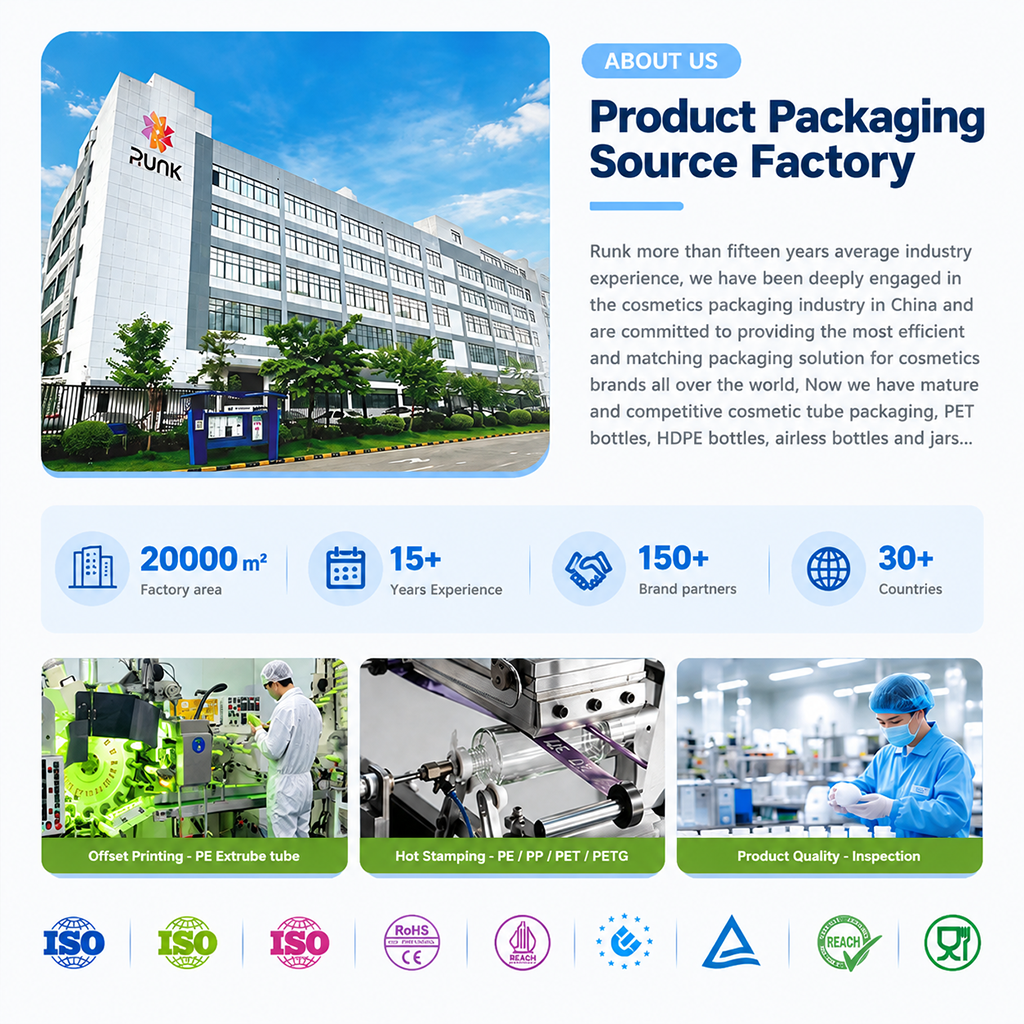
As a cosmetic packaging manufacturer, Runk Packaging provides plastic bottles and jars for skincare brands, cosmetic manufacturers, private-label businesses, and beauty product distributors. With a range of packaging styles, materials, colors, and decoration options, Runk helps businesses develop packaging solutions that align with their product requirements and brand positioning.
Whether you are launching a new skincare line, upgrading existing packaging, or sourcing a reliable OEM/ODM packaging partner, understanding the available bottle and jar options is the first step toward making an informed decision.
In this guide, we explore different types of cosmetic plastic bottles and jars, their applications, material options, customization possibilities, and key factors to consider when choosing a packaging manufacturer.
1. Why Is Cosmetic Packaging Important for Skincare Brands?
Skincare formulations vary in texture, viscosity, ingredients, and usage requirements. The packaging must be suitable for the formula while offering convenience, durability, and an attractive appearance.
Product Protection and Compatibility
Appropriate packaging helps protect skincare products from contamination during normal use, leakage during transportation, and environmental exposure. The level of protection depends on the packaging design, material, closure system, and formulation.
For sensitive formulations, brands should carefully evaluate the compatibility between the product and its packaging. Factors such as material resistance, potential interactions, dispensing performance, and storage conditions 、should be considered before mass production.
Brand Identity and Shelf Appeal
Packaging is often one of the first things customers notice when shopping for skincare products. Bottle shapes, surface finishes, colors, and decorative details can communicate different brand identities.
For example:
Minimalist bottles with clean lines suit modern skincare brands.
Frosted or matte bottles can create a refined, understated appearance.
Acrylic bottles and jars can support a premium visual presentation.
Custom-colored packaging helps brands maintain consistent visual identity across product collections.
Consumer Convenience
The right dispensing system makes skincare products easier to use. Lotion pumps are suitable for many lotions and liquid skincare products, while spray pumps work well for products designed for mist application. Dropper bottles are commonly used for facial serums and other liquid formulations.
Cream jars provide convenient access to thicker creams and balms, while airless bottles can help reduce direct exposure of the remaining product to air during use, depending on their design.
Choosing packaging based on the product's texture and intended application can improve the overall user experience.
2. Runk Cosmetic Plastic Bottles for Different Skincare Applications
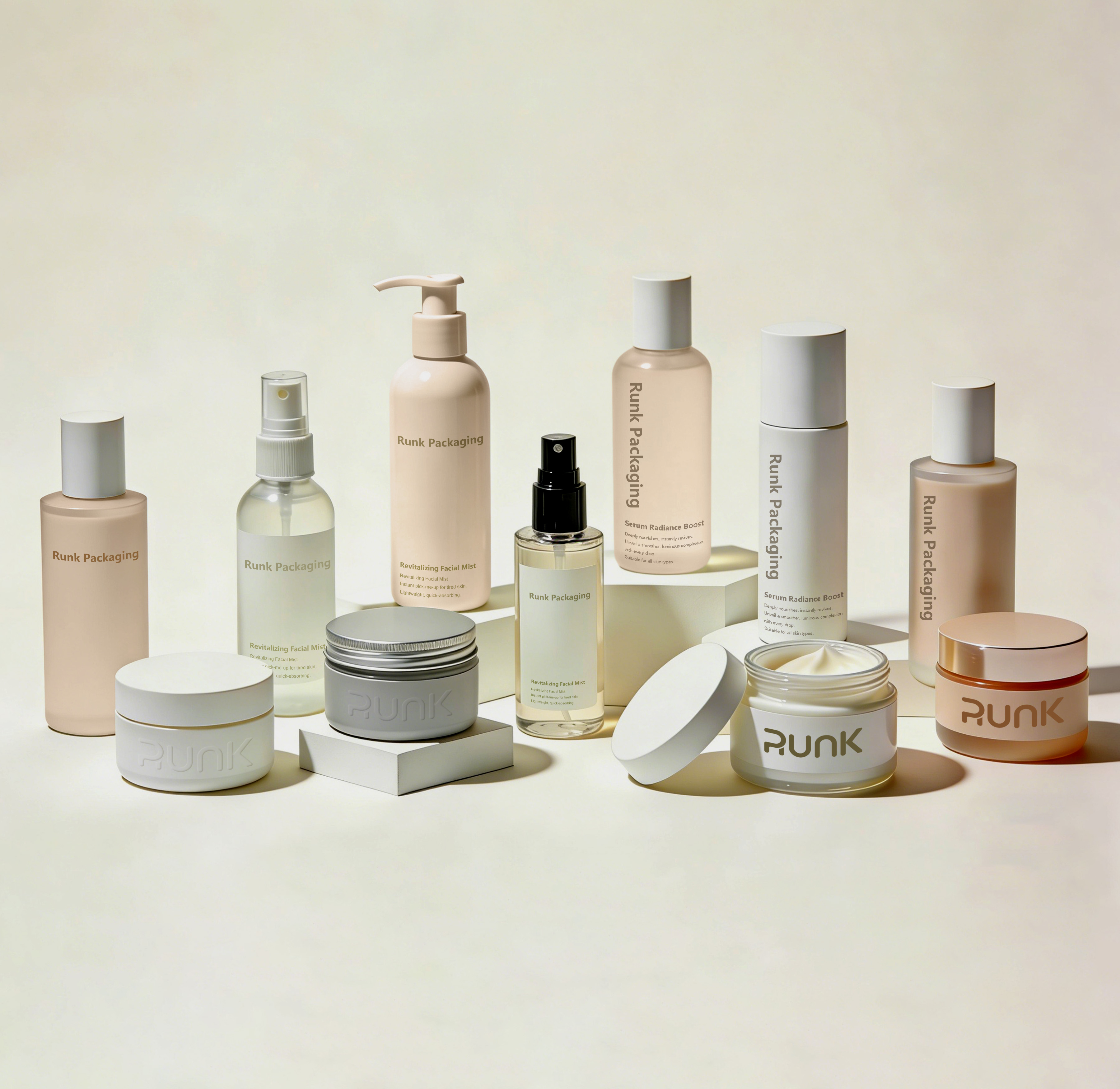
Runk offers different plastic bottle styles to meet the needs of skincare brands, contract manufacturers, and private-label businesses.
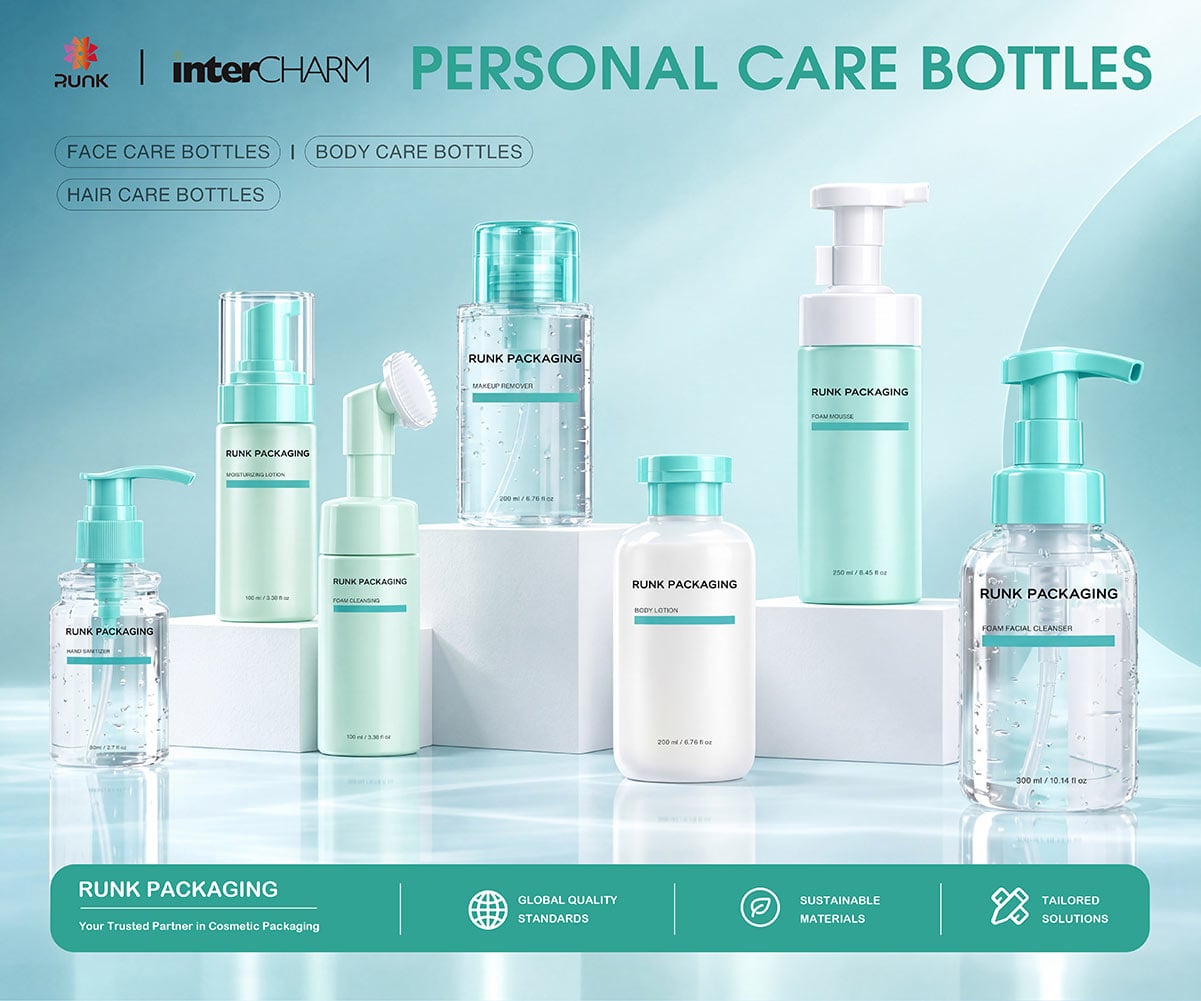
2.1 Lotion Bottles
Lotion bottles are widely used for facial moisturizers, body lotions, cleansing products, and other liquid or semi-liquid formulations.
Depending on the formulation and dispensing requirements, brands can choose suitable bottle bodies and pump systems to create practical, coordinated packaging.
Typical applications include:
Facial lotion and daily moisturizers
Body lotion and hand lotion
Facial cleansers
Makeup removers
After-sun care products
When selecting a lotion bottle, consider the product viscosity, pump output, bottle capacity, opening size, and compatibility between the pump and bottle.
2.2 Spray Bottles
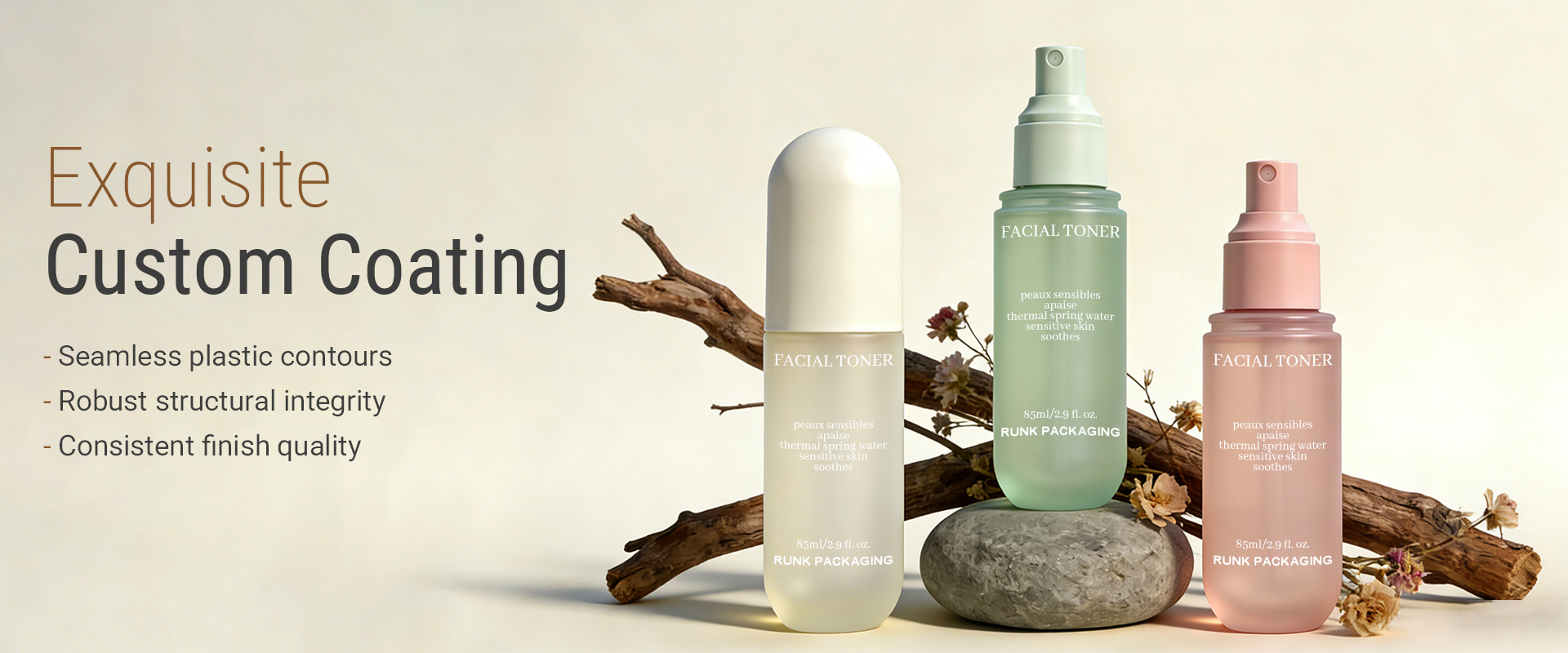
Cosmetic spray bottles are designed for products that require mist or spray application. They are commonly used for facial mists, hydrating sprays, toners, and selected haircare products.
A spray bottle generally consists of a bottle body, spray pump, and protective cap or other closure components.
Key factors to evaluate include:
Spray pattern and droplet size
Pump performance and output
Leakage resistance
Bottle material and capacity
Compatibility with the liquid formulation
For brands developing a new mist product, sampling and dispensing tests are important to ensure that the selected spray system meets the intended application requirements.
2.3 Dropper Bottles
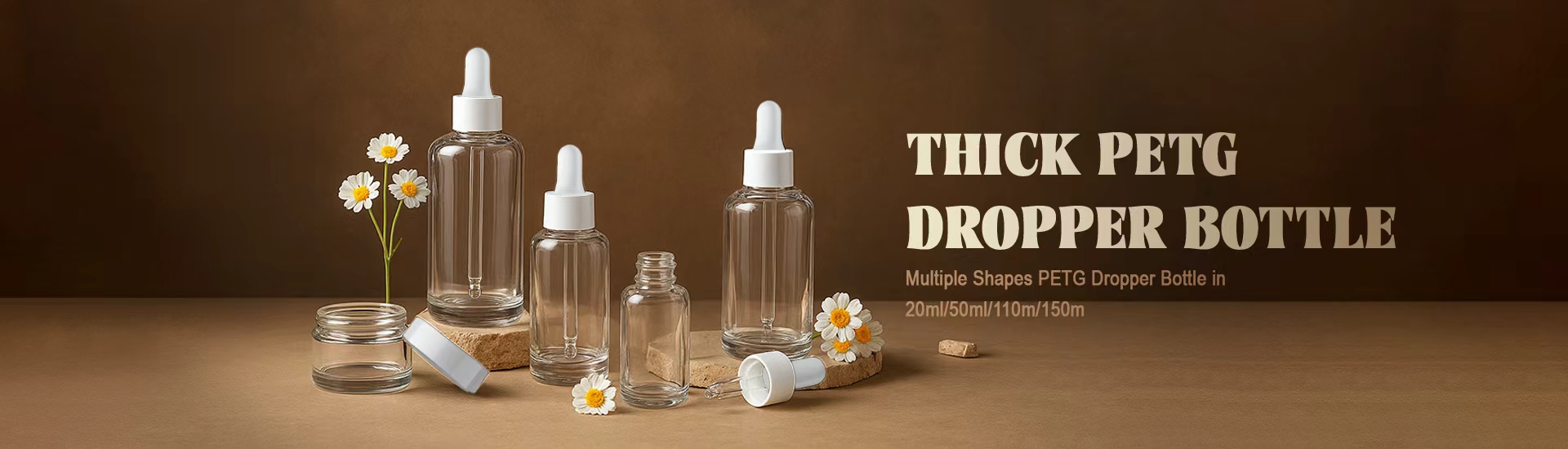
Dropper bottles are popular for liquid skincare formulations that require controlled dispensing. They are frequently used for facial serums, facial oils, and selected concentrated skincare products.
Their distinctive appearance also makes them suitable for premium skincare collections and minimalist beauty brands.
When sourcing dropper bottles, buyers should evaluate the dropper material, bulb compatibility, dosage consistency, closure fit, and resistance to the formulation.
It is also important to verify whether the complete packaging system provides sufficient protection for light-sensitive or oxidation-sensitive ingredients. The bottle material alone does not guarantee product stability.
2.4 Airless Bottles
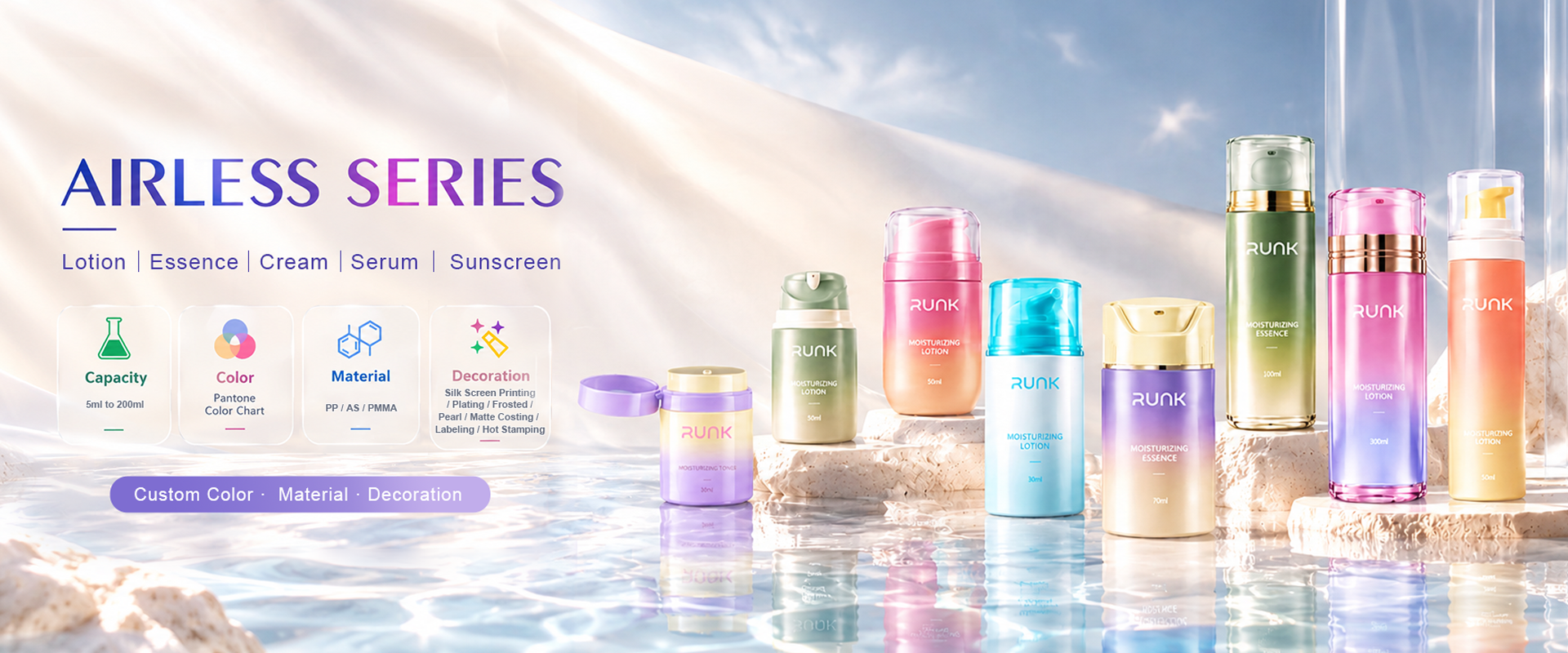
Airless bottles use a dispensing mechanism designed to minimize the introduction of air into the product container during dispensing. Depending on the system, they may help reduce product exposure and improve dispensing consistency.
They are commonly considered for facial creams, lotions, serums, and other skincare products that benefit from a controlled dispensing system.
Potential advantages include:
Controlled product dispensing
Reduced direct contact with the remaining formulation
A clean and convenient application experience
A modern appearance for premium skincare collections
However, not every formula requires airless packaging. Brands should assess formulation sensitivity, viscosity, compatibility, required dosage, and the performance of the selected dispensing mechanism before making a final decision.
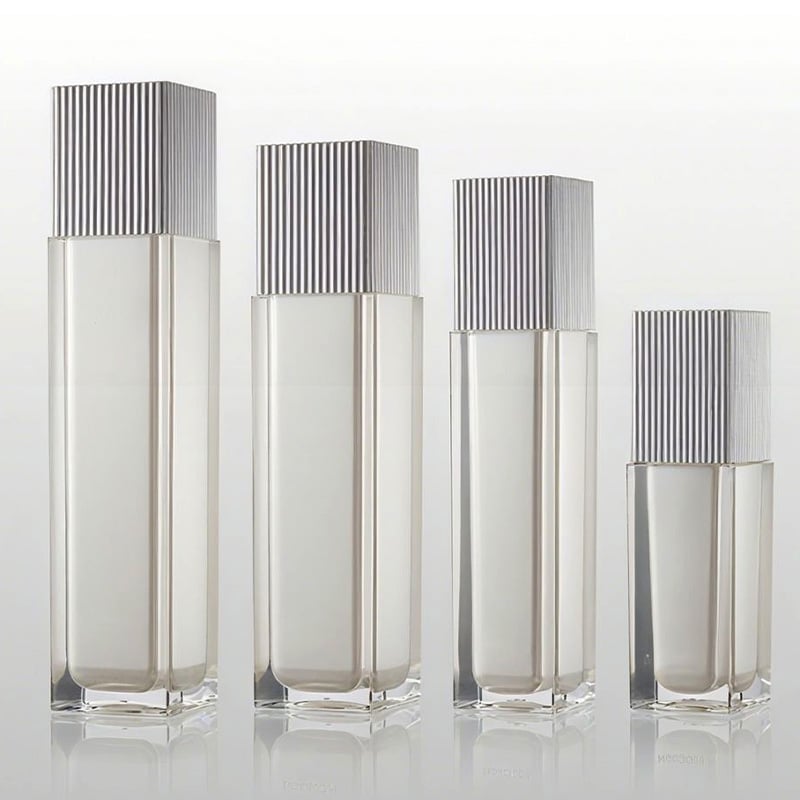
2.5 Acrylic Cosmetic Bottles
Acrylic cosmetic bottles are often selected by brands seeking a premium appearance. Their design can support sophisticated skincare packaging, especially when combined with coordinated caps, decorative finishes, or other design elements.
Typical applications include:
Premium facial lotions
Anti-aging skincare products
High-end moisturizing products
Luxury skincare collections
When considering acrylic packaging, buyers should review the construction of the complete packaging system, material specifications, durability, compatibility, and applicable recycling requirements.
3. Runk Cosmetic Plastic Jars for Creams, Balms, and Moisturizers
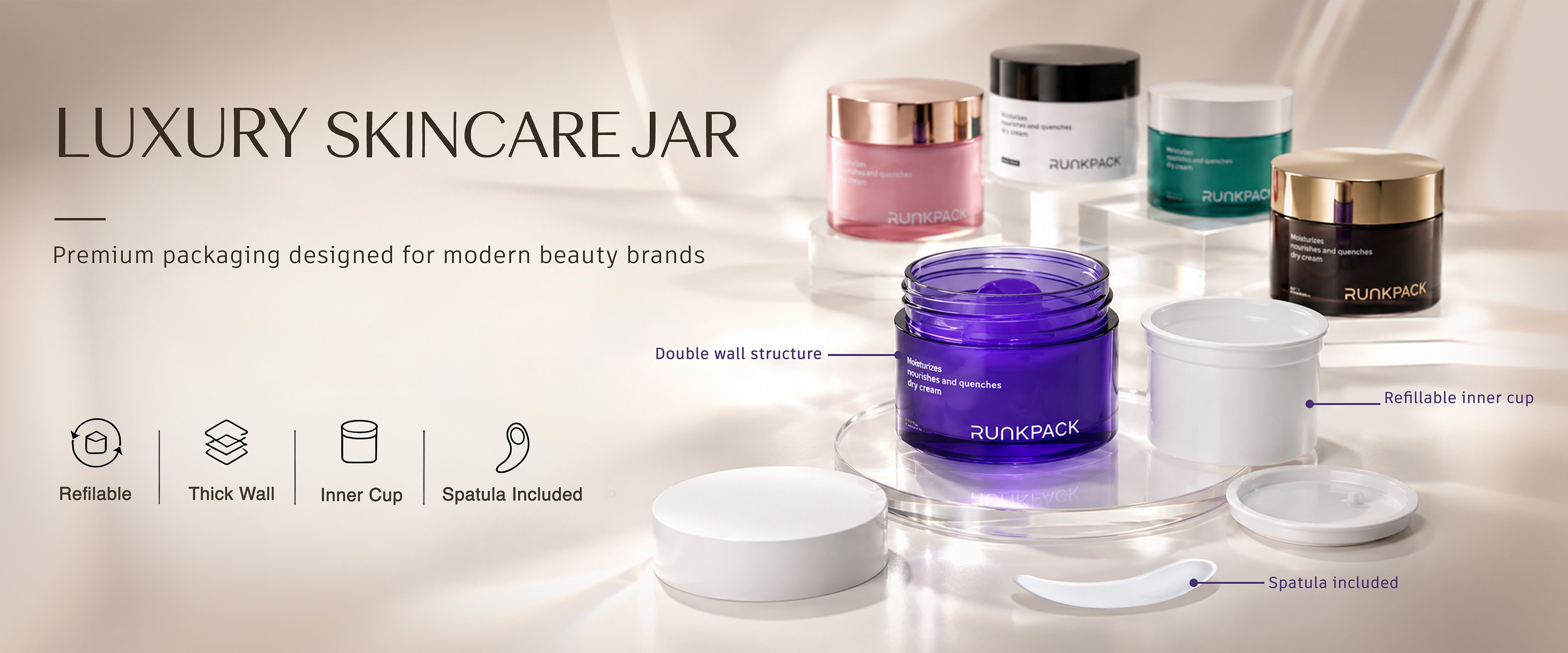
Cosmetic jars are a practical choice for products that need a wider opening or have a thicker consistency. They are widely used in facial skincare, body care, and professional beauty products.
3.1 Face Cream Jars
Face cream jars are commonly used for moisturizing creams, nourishing creams, night creams, and other facial skincare formulations.
A well-designed cream jar should offer a suitable opening, a secure closure, and a convenient user experience. An inner lid may also be included depending on the design and product requirements.
Brands can consider different jar capacities, colors, materials, and surface finishes to create packaging that matches their product positioning.
3.2 Body Butter and Body Cream Jars
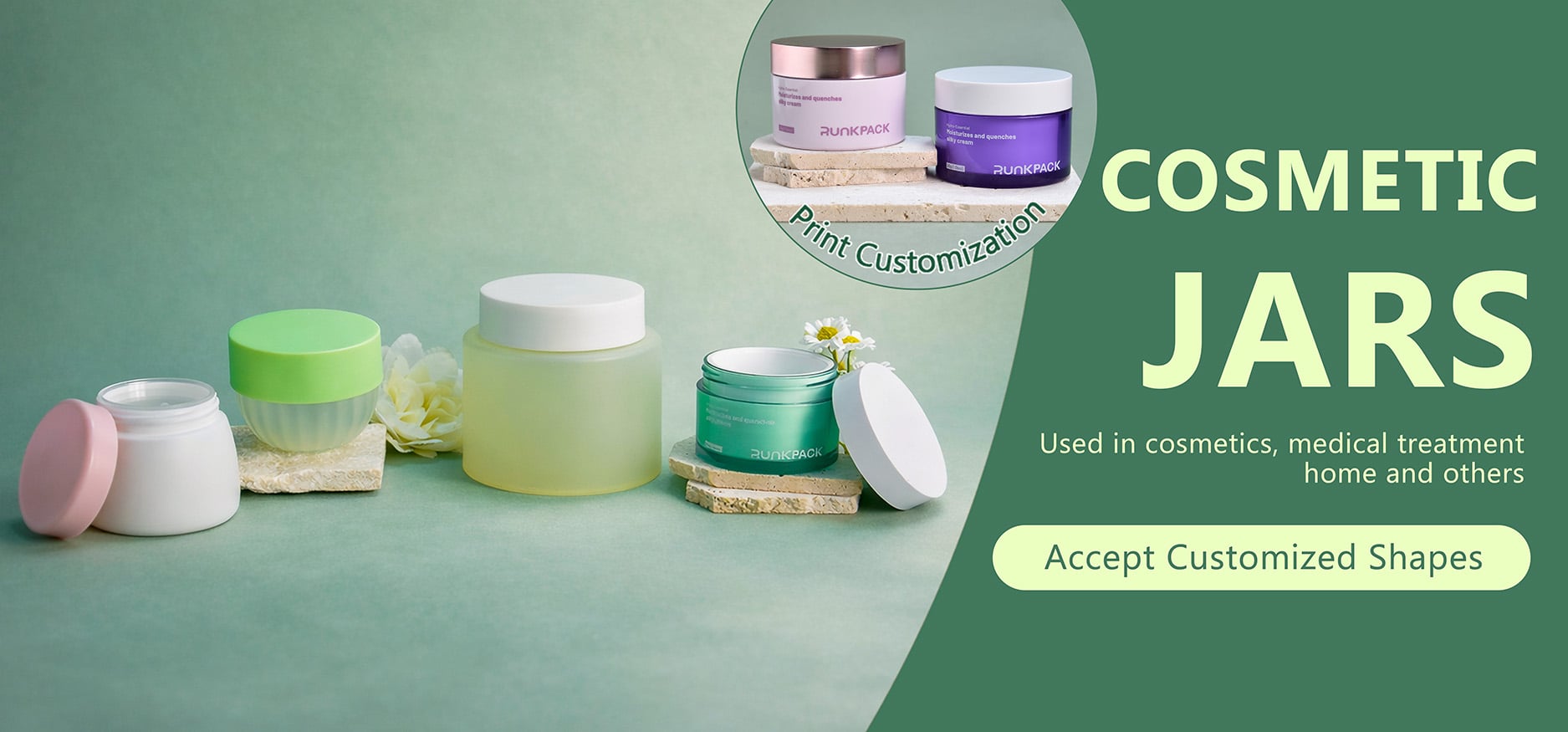
Body butter and richer body creams often have thicker textures than conventional lotions. Cosmetic jars provide a convenient opening for accessing these products.
For body care brands, important considerations include:
Jar capacity and dimensions
Opening diameter
Cap and closure design
Material compatibility
Transportation and leakage performance
Decoration and brand presentation
A larger jar may be appropriate for everyday body care, while smaller jars can be useful for travel-size products, sample collections, or premium skincare sets.
3.3 Cosmetic Jars for Premium Skincare Lines
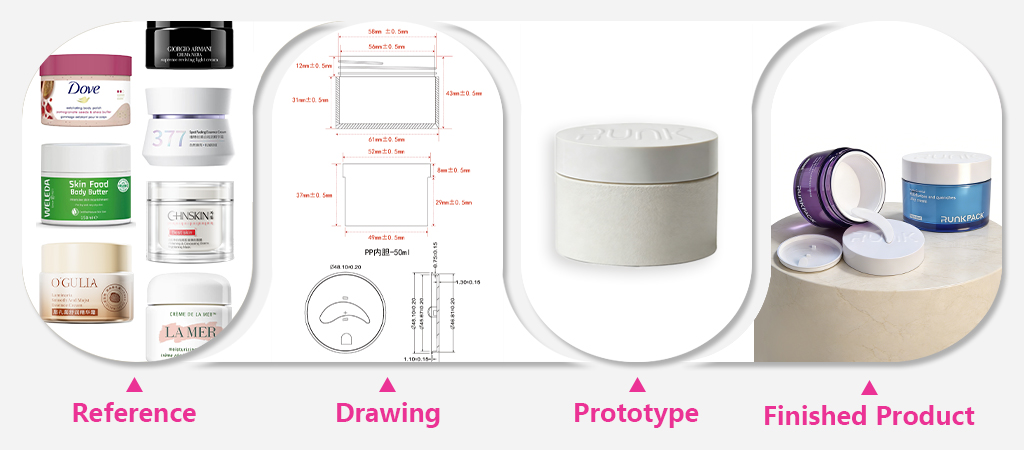
Packaging consistency is important when developing a complete skincare collection. Matching jars and bottles can help brands create a unified appearance across different product categories.
For example, a skincare range may combine lotion bottles, dropper bottles, airless bottles, and cream jars with coordinated colors and decorative finishes.
This approach allows brands to differentiate product functions while maintaining a consistent visual identity.
4. How to Choose the Right Plastic Material for Cosmetic Bottles and Jars
Material selection affects packaging performance, appearance, durability, and sustainability considerations. The most appropriate choice depends on the formulation, packaging design, manufacturing requirements, and target market.
Common materials used in cosmetic packaging include PP, HDPE, PET, PETG, and ABS, although the material options available depend on the specific component and design.
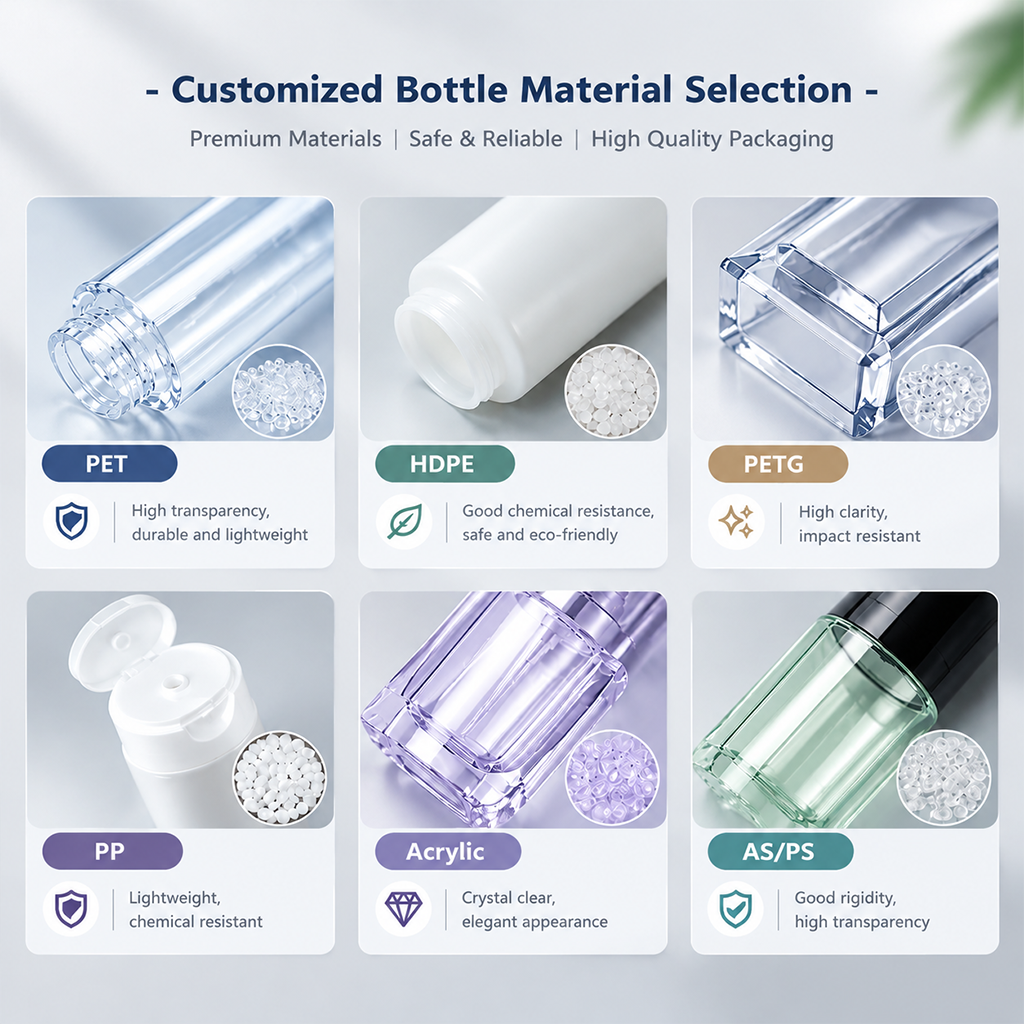
PP (Polypropylene)
PP is commonly used for cosmetic caps, closures, jars, and selected bottle designs.
Potential benefits include:
Versatile applications across different packaging components
Lightweight construction
Compatibility with a wide range of designs
Opportunities for color customization
PP packaging can be considered for creams, lotions, and other cosmetic products, subject to compatibility testing.
HDPE (High-Density Polyethylene)
HDPE is widely used in packaging applications that require a durable, lightweight plastic container.
Depending on the design and grade, it may be suitable for selected skincare bottles and other personal care packaging.
Brands should consider its appearance, chemical compatibility, closure performance, and intended application when evaluating HDPE packaging.
PET (Polyethylene Terephthalate)
PET is commonly used for cosmetic bottles because it can offer good clarity and a smooth surface for product presentation.
Potential applications include selected toner bottles, lotion bottles, and other liquid cosmetic packaging.
PET's suitability depends on the formulation, wall design, processing conditions, and required barrier performance.
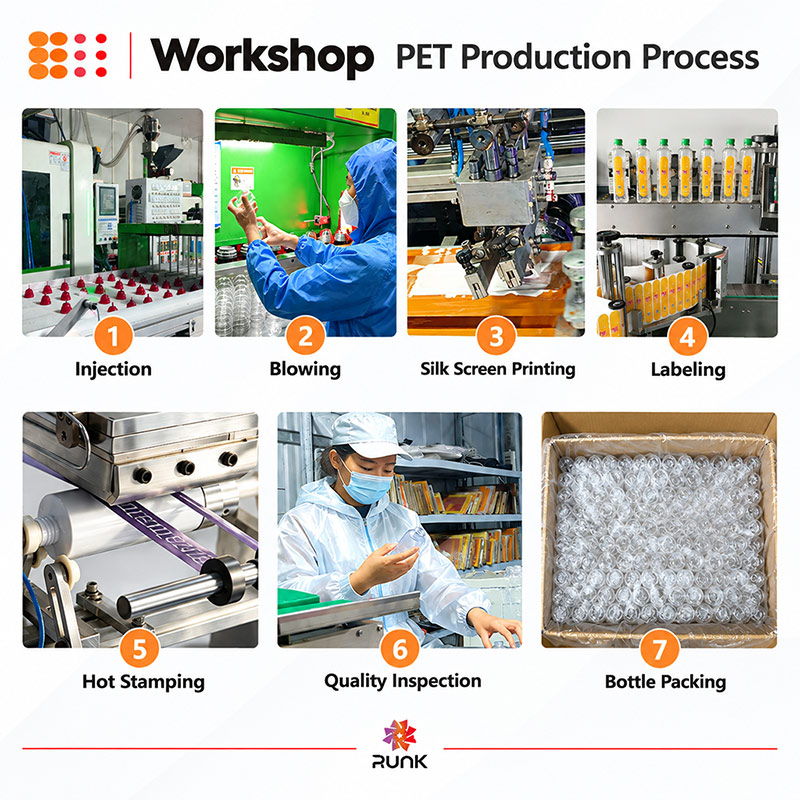
PETG
PETG is used in certain cosmetic packaging designs where clarity, appearance, and design flexibility are important.
It may be considered for selected premium cosmetic bottles and other packaging components, depending on the product specifications.
As with other materials, brands should verify compatibility, durability, and applicable regulatory requirements before production.
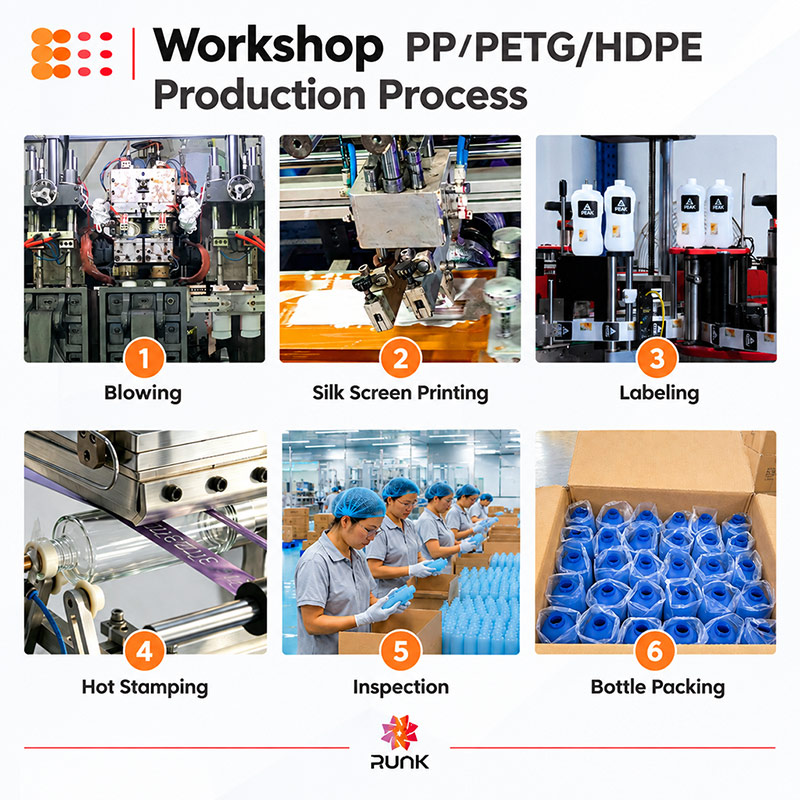
ABS (Acrylonitrile Butadiene Styrene)
ABS is used in selected cosmetic packaging components, including certain decorative caps and outer components.
Its role depends on the packaging structure and design requirements. It should not be assumed to be suitable for direct contact with every cosmetic formulation.
How Should Brands Compare These Materials?
There is no single material that is best for every skincare product. The right choice depends on the balance between formulation compatibility, aesthetics, durability, cost, and environmental considerations.
Before confirming an order, request the relevant material specifications and samples, and test the complete packaging system with the intended formulation.
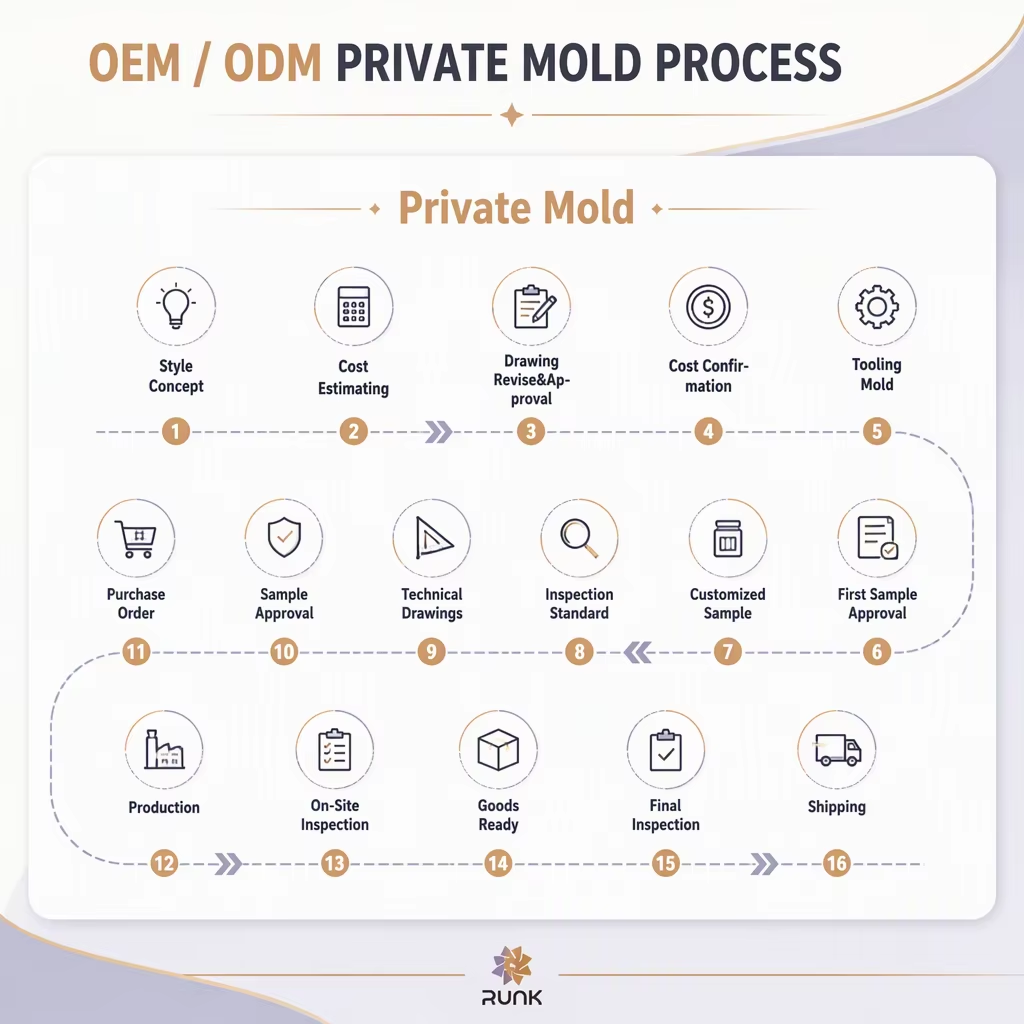
5. Custom Cosmetic Packaging Solutions: OEM and ODM Services
For skincare brands, customized packaging can help differentiate products and establish a consistent brand identity.
Runk supports cosmetic packaging customization based on product requirements, selected packaging designs, and manufacturing feasibility.
Custom Colors
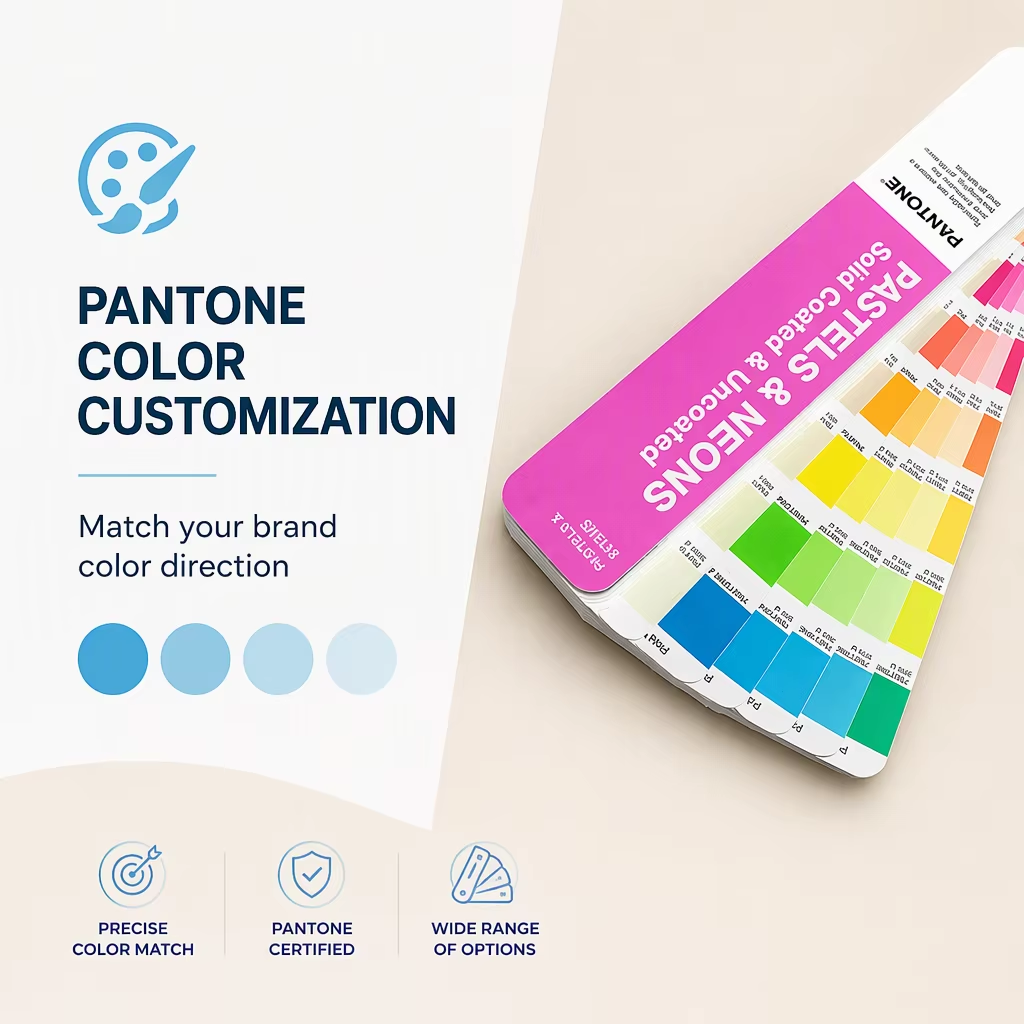
Brand colors can be matched to an appropriate Pantone reference where technically feasible. Color matching should be confirmed through physical samples because the final appearance can vary with material, surface finish, and production conditions.
Custom Logos and Decoration
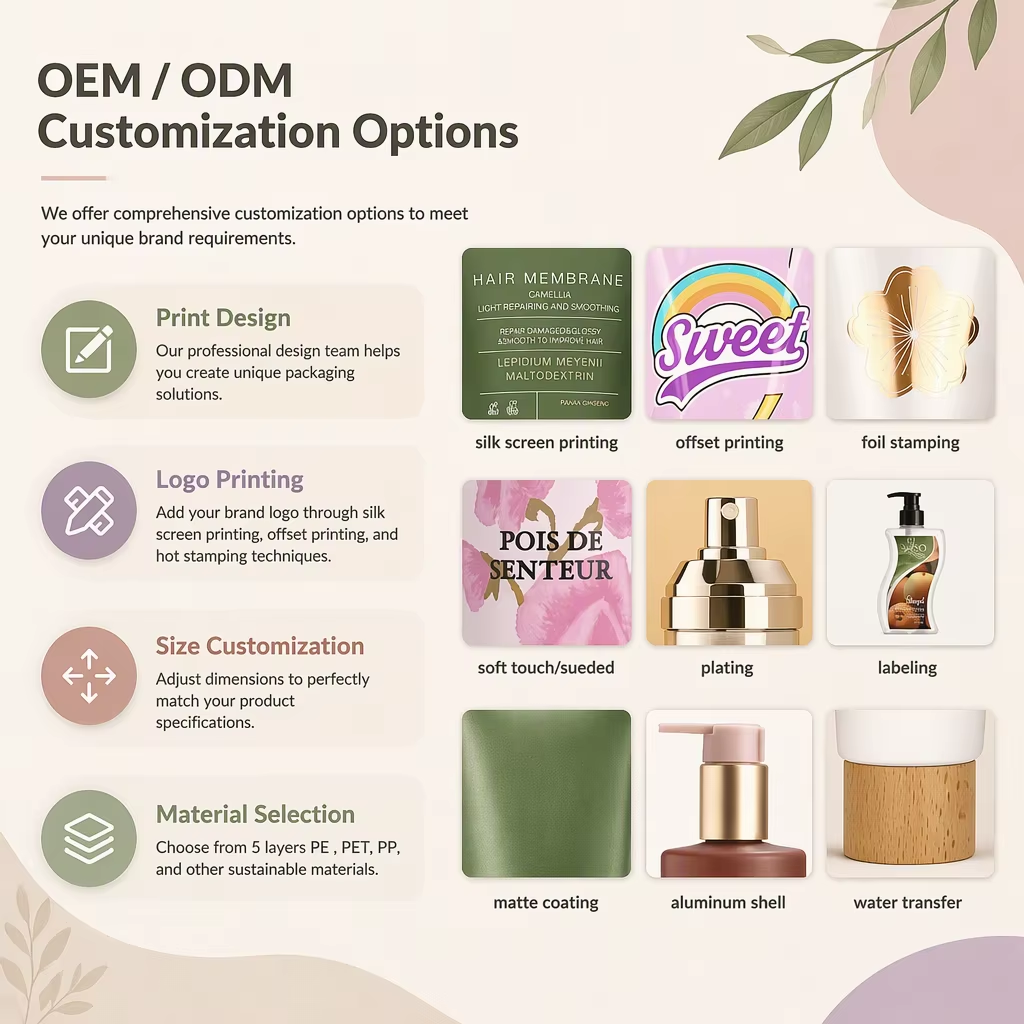
Different decoration techniques can create different visual effects and branding styles.
Available options may include:
Silk screen printing
Hot stamping
Labeling
Frosted finishes
Matte finishes
Glossy finishes
Plating on suitable components
Pearl effects
Other compatible printing and surface treatments
Not every technique is suitable for every material or shape. The final decoration plan should be confirmed based on the selected packaging component.
Custom Packaging Components
Depending on the product design, brands may be able to customize selected components, such as bottle bodies, caps, pumps, droppers, and inner lids.
For businesses seeking a coordinated skincare collection, Runk can help evaluate bottle and jar combinations with consistent colors, finishes, and branding elements.
OEM and ODM Cooperation
OEM and ODM cooperation can support different stages of product development.
OEM projects generally involve manufacturing according to a customer's specifications, while ODM projects may involve selecting or adapting an existing design with the manufacturer's support.
For new skincare brands, working with an experienced packaging supplier can simplify product selection and help coordinate sampling, customization, and production requirements.
6. How to Select a Reliable Cosmetic Packaging Manufacturer
Choosing a cosmetic packaging manufacturer involves more than comparing unit prices. Buyers should consider product suitability, customization capabilities, quality control, communication, and delivery arrangements.
Evaluate Product Range and Manufacturing Capabilities
A supplier with a range of cosmetic bottles and jars can make it easier to source different packaging styles for one skincare collection.
Review the supplier's available products, component options, customization capabilities, and experience with similar packaging requirements.
Request Samples Before Bulk Production
Samples allow brands to evaluate packaging dimensions, appearance, closure fit, dispensing performance, and overall quality.
Where possible, test the packaging with the actual formulation rather than relying only on visual inspection.
Review Quality Control Procedures
Ask about incoming material inspection, production checks, decoration inspection, dimensional tolerances, closure testing, and finished-product inspection.
The exact quality control procedures and acceptance criteria should be agreed upon according to the product specifications and project requirements.
Confirm Lead Times and Order Requirements
Production lead times depend on factors such as stock availability, customization complexity, tooling requirements, order quantity, and production scheduling.
Before placing an order, clarify the minimum order quantity (MOQ), sample arrangements, production lead time, packaging method, shipping terms, and payment conditions.
Discuss Documentation and Compliance
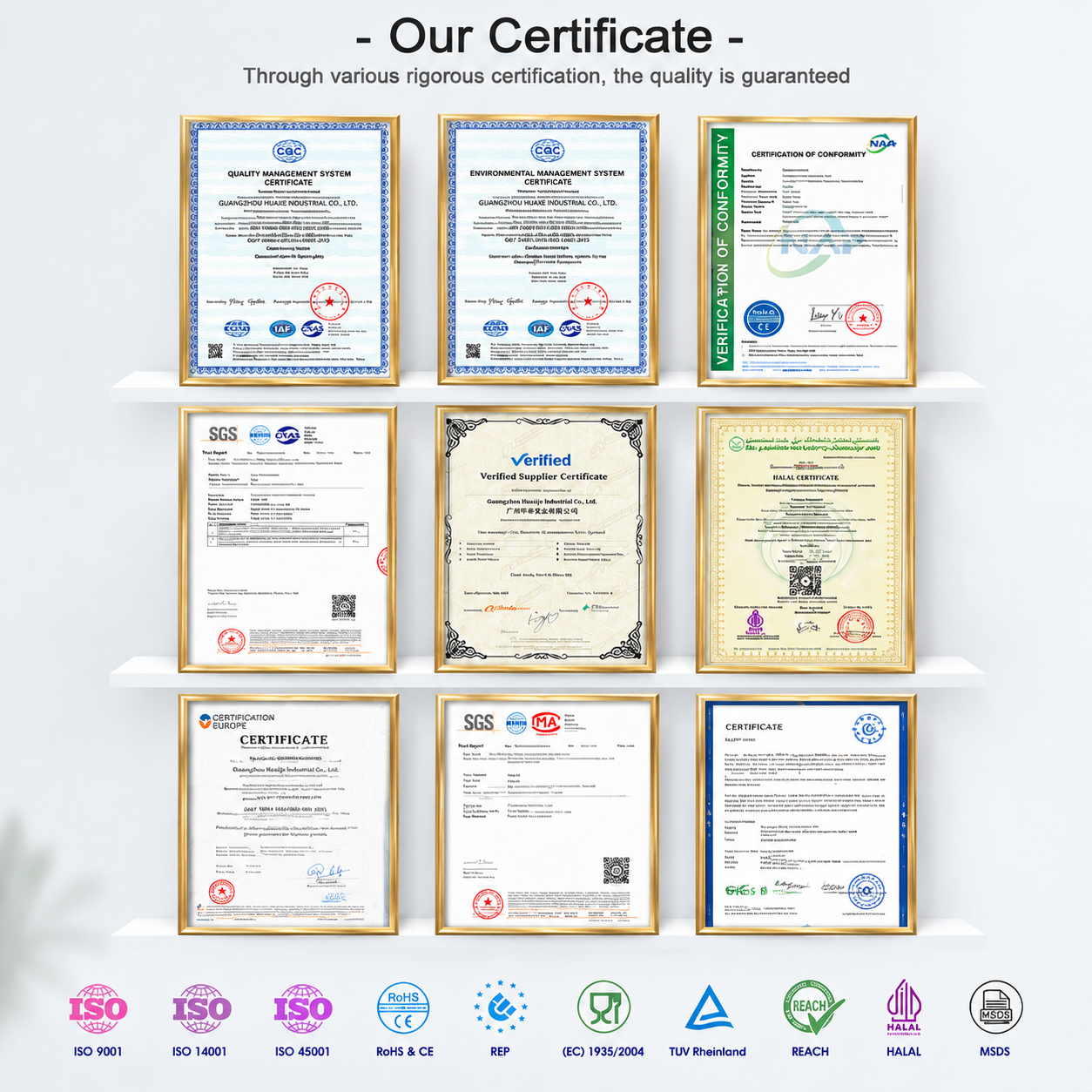
Depending on the target market and intended use, buyers may need material declarations, test reports, or other relevant documentation.
Confirm which documents are available for the specific product and whether additional testing is required. Compliance should be evaluated against the applicable market requirements rather than assumed from the packaging material alone.
7. Why Consider Runk Packaging for Your Skincare Business?
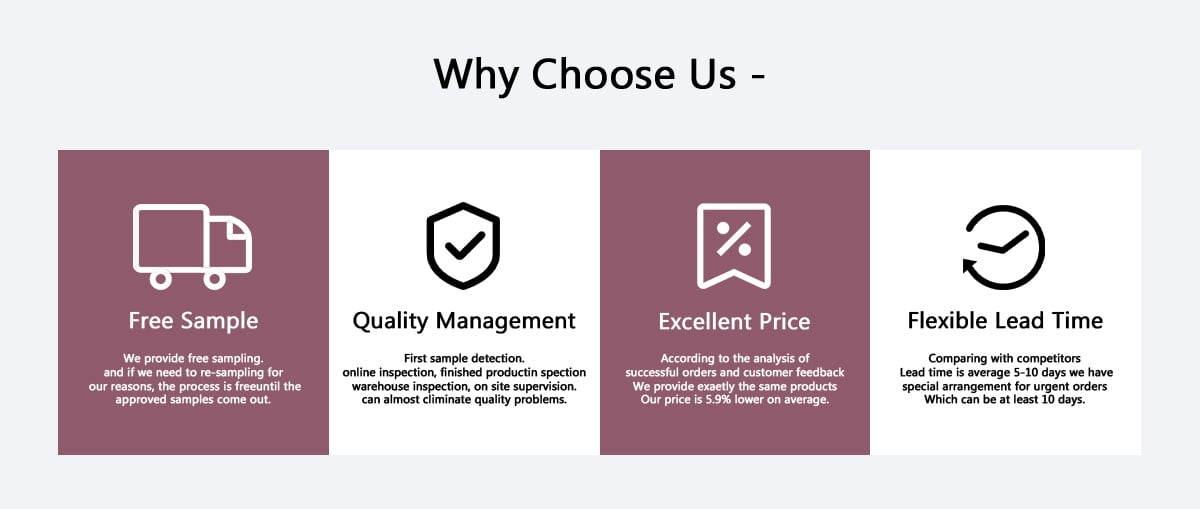
Runk Packaging provides cosmetic packaging options for businesses developing skincare and personal care products.
When evaluating Runk as a potential packaging partner, buyers can explore the following areas:
Product variety: Plastic bottles and jars for different skincare applications.
Customization options: Selected colors, materials, components, and decorative finishes.
OEM/ODM cooperation: Packaging solutions based on project requirements and manufacturing feasibility.
B2B sourcing support: Product selection and quotation discussions for brands, distributors, and cosmetic manufacturers.
Coordinated packaging collections: Opportunities to combine different bottle and jar styles with a consistent brand appearance.
Runk also offers packaging options for businesses seeking to develop products across multiple skincare categories.
For the most suitable recommendation, buyers should share the intended application, formula type, preferred capacity, packaging style, target quantity, and customization requirements.
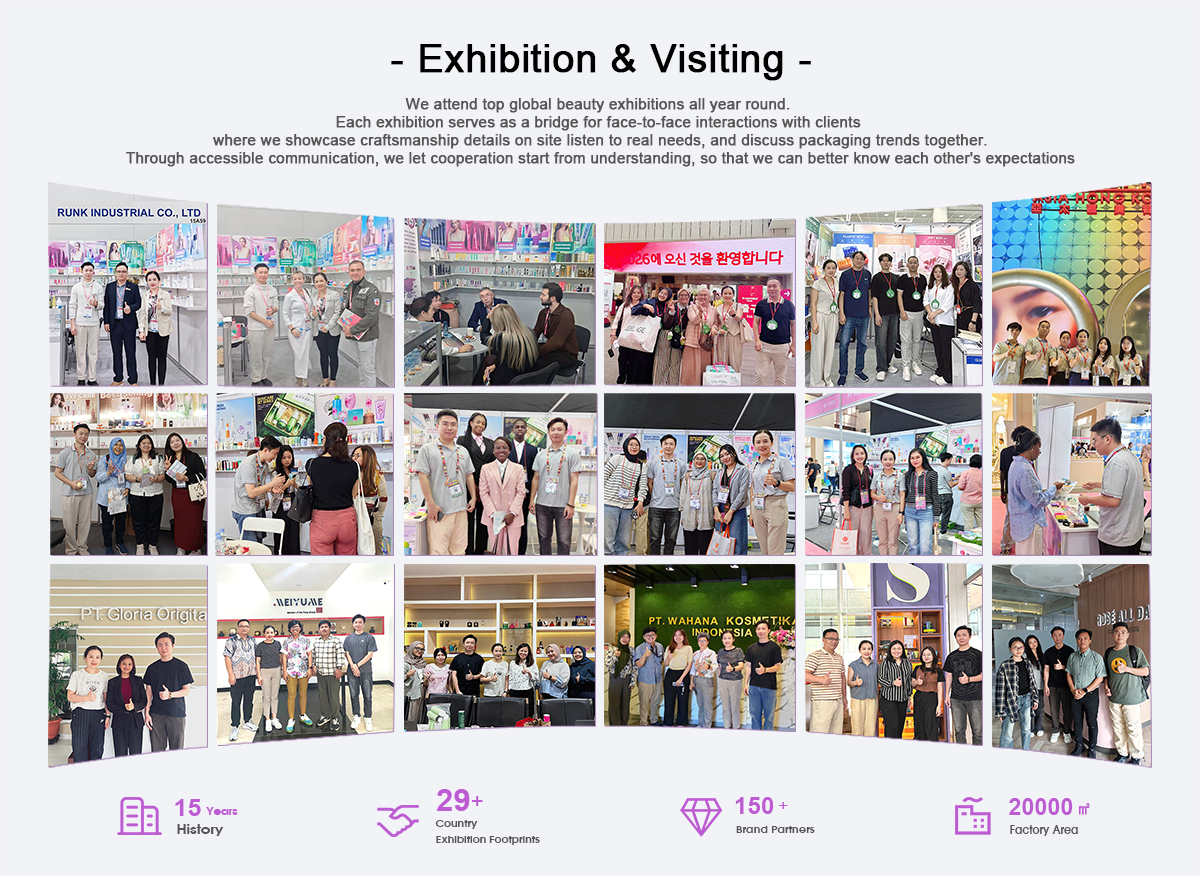
8. How to Start Your Cosmetic Packaging Project with Runk
If you are planning a new skincare product or upgrading existing packaging, preparing a clear packaging brief can help streamline the sourcing process.
Consider the following steps:
Step 1: Define your product. Identify whether you need packaging for a serum, lotion, toner, facial cream, body cream, or another skincare formulation.
Step 2: Select the packaging style. Compare lotion bottles, spray bottles, dropper bottles, airless bottles, acrylic bottles, and cosmetic jars according to product requirements.
Step 3: Confirm material and capacity. Specify the preferred material, nominal capacity, dimensions, and closure or dispensing system.
Step 4: Choose customization options. Provide your brand colors, logo artwork, printing requirements, and preferred surface finishes.
Step 5: Request samples and a quotation. Confirm sample availability, MOQ, tooling requirements, pricing, and production lead time.
Step 6: Test and approve. Evaluate the packaging with your intended formulation and approve the relevant samples and specifications before mass production.
A well-prepared brief helps packaging manufacturers assess feasibility and provide more accurate recommendations.
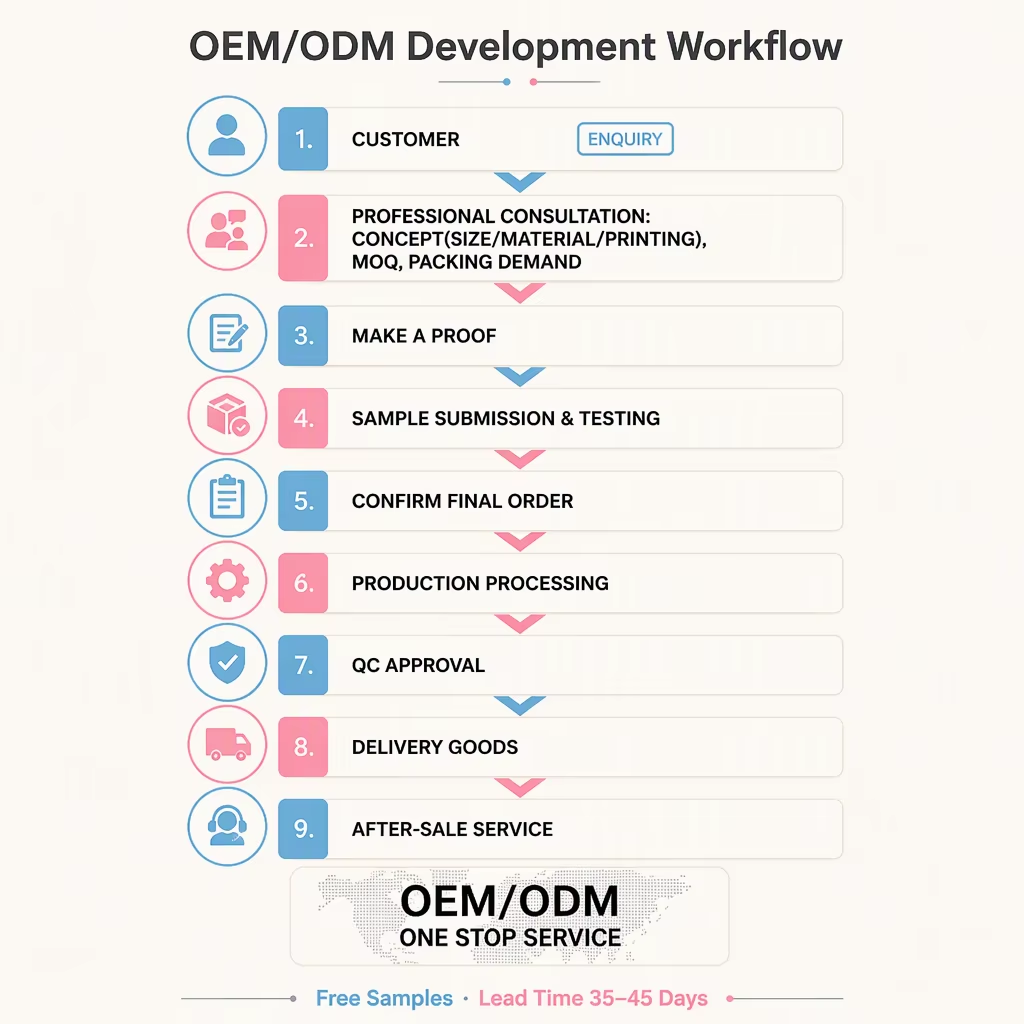
9. Frequently Asked Questions About Cosmetic Plastic Bottles and Jars
Q1: What types of cosmetic plastic bottles does Runk offer?
Runk offers different cosmetic bottle styles, including lotion bottles, spray bottles, dropper bottles, airless bottles, and selected acrylic bottle designs. Availability and specifications depend on the product model and customization requirements.
Q2: What types of products can be packaged in cosmetic plastic jars?
Cosmetic jars are commonly used for facial creams, moisturizers, night creams, body butters, balms, and other products that benefit from a wider opening. The suitability of a specific jar depends on the formulation, material, closure, and intended use.
Q3: Can I customize the color and logo of cosmetic bottles and jars?
Yes, customization options may include color matching, logo printing, labeling, hot stamping, and selected surface finishes. The available options depend on the packaging model, material, quantity, and production process.
Q4: What is the difference between a lotion bottle and an airless bottle?
A conventional lotion bottle typically uses a pump or another dispensing closure to deliver the product. An airless bottle uses a dispensing mechanism designed to minimize air entering the container during use.
The best choice depends on the formulation, dispensing requirements, packaging budget, and desired user experience.
Q5: Are plastic cosmetic bottles suitable for premium skincare products?
Yes. Plastic cosmetic bottles can be designed for premium skincare lines through material selection, component design, color matching, and decorative treatments.
Acrylic bottles, selected PET or PETG designs, and airless packaging systems may be considered for premium presentations, depending on the product requirements.
Q6: Which plastic material is best for skincare packaging?
There is no universally best material. PP, HDPE, PET, PETG, and other suitable materials each have different properties and applications.
The selection should take into account the formulation, chemical compatibility, barrier requirements, appearance, durability, target market, and sustainability objectives.
Q7: What is the minimum order quantity (MOQ) for custom cosmetic packaging?
MOQ varies according to the packaging model, material, decoration process, tooling requirements, and whether the project uses an existing design or requires new development.
Contact Runk with your preferred product and estimated order quantity to confirm the applicable MOQ.
Q8: Can I order samples before placing a bulk order?
Sample availability depends on the selected product and project requirements. Request samples to evaluate dimensions, color, closure fit, dispensing performance, and compatibility with your formulation before confirming bulk production.
Q9: How long does cosmetic packaging production take?
Lead times depend on product availability, order quantity, customization requirements, tooling, sample approval, and the production schedule. Confirm the estimated timeline with the supplier before placing an order.
Q10: Can Runk help develop a complete skincare packaging collection?
Runk can help buyers explore combinations of cosmetic bottles and jars with coordinated colors, decorative finishes, and branding elements. The final selection depends on the available models, component compatibility, and project specifications.
Q11: Are cosmetic plastic bottles and jars recyclable?
Recyclability depends on the material, local recycling infrastructure, product design, and the combination of components used.
Packaging made from a single material may be easier to sort than certain multi-material designs, but local acceptance requirements still apply. Brands should evaluate the complete package, including pumps, caps, inner lids, labels, and decorative treatments, before making recycling claims.
Q12: How can I prevent leakage in cosmetic packaging?
Leakage prevention requires a suitable combination of container design, closure compatibility, manufacturing quality, and transportation conditions.
Brands should evaluate the complete packaging system through appropriate closure, leakage, and transportation tests using the intended product and shipping conditions.
Q13: What information should I provide when requesting a quotation?
To receive a more accurate quotation, provide the following information where available:
Product type and application
Preferred bottle or jar model
Capacity and material requirements
Estimated order quantity
Color and decoration requirements
Logo artwork or design references
Destination market and delivery requirements
If you do not have a finalized design, sharing your product concept and target price range can help the supplier suggest suitable options.
Q14: Can cosmetic packaging be used for both skincare and haircare products?
Some cosmetic bottles and jars may be suitable for both skincare and haircare applications, but suitability depends on the formula, viscosity, dispensing requirements, and material compatibility. Always evaluate the complete packaging system for the intended product.
Q15: What should I consider when choosing sustainable cosmetic packaging?
Consider material selection, recycled content where available, package weight, component separation, durability, transportation efficiency, and local recycling infrastructure.
A sustainability claim should be supported by relevant material information and evidence. The most appropriate solution depends on the brand's environmental objectives and the requirements of its target market.
10. Conclusion: Find the Right Cosmetic Packaging for Your Skincare Brand
Choosing the right cosmetic plastic bottles and jars is an important step in developing a successful skincare product. Packaging influences product protection, dispensing performance, brand presentation, and the consumer experience.
From lotion bottles and spray bottles to dropper bottles, airless bottles, acrylic bottles, and cream jars, Runk Packaging provides options for businesses seeking cosmetic packaging for different skincare applications.
By evaluating material compatibility, packaging design, customization requirements, quality control, and production arrangements, skincare brands can make more informed sourcing decisions.
Looking for a cosmetic plastic bottles and jars manufacturer for your skincare brand?
Contact Runk Packaging to discuss your packaging requirements, explore suitable product options, and request a quotation for your next skincare project.
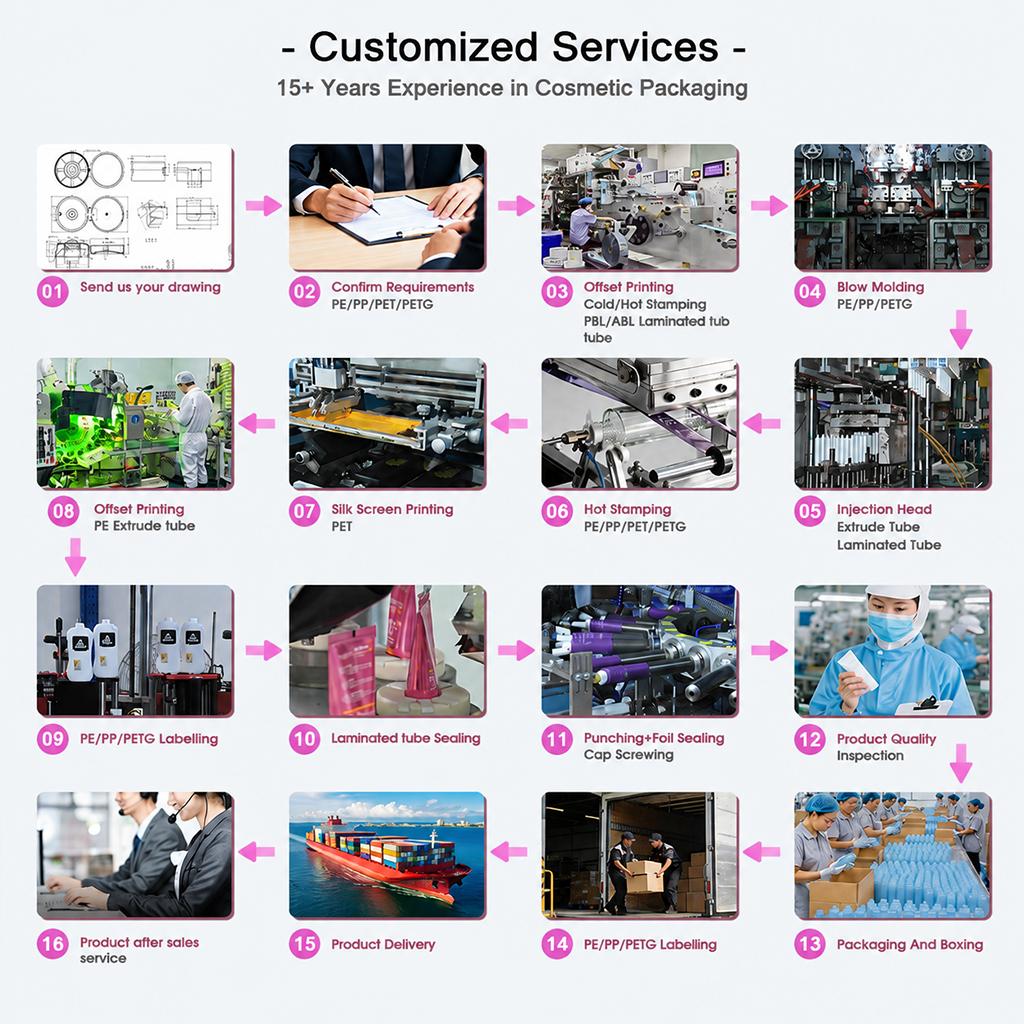
Website: https://www.runkbottle.com | https://www.runkgroup.com | https://runkpackaging.en.alibaba.com
Runk Packaging — Cosmetic Packaging Solutions for Skincare Brands.
Contact : [email protected] | +86-13128608159
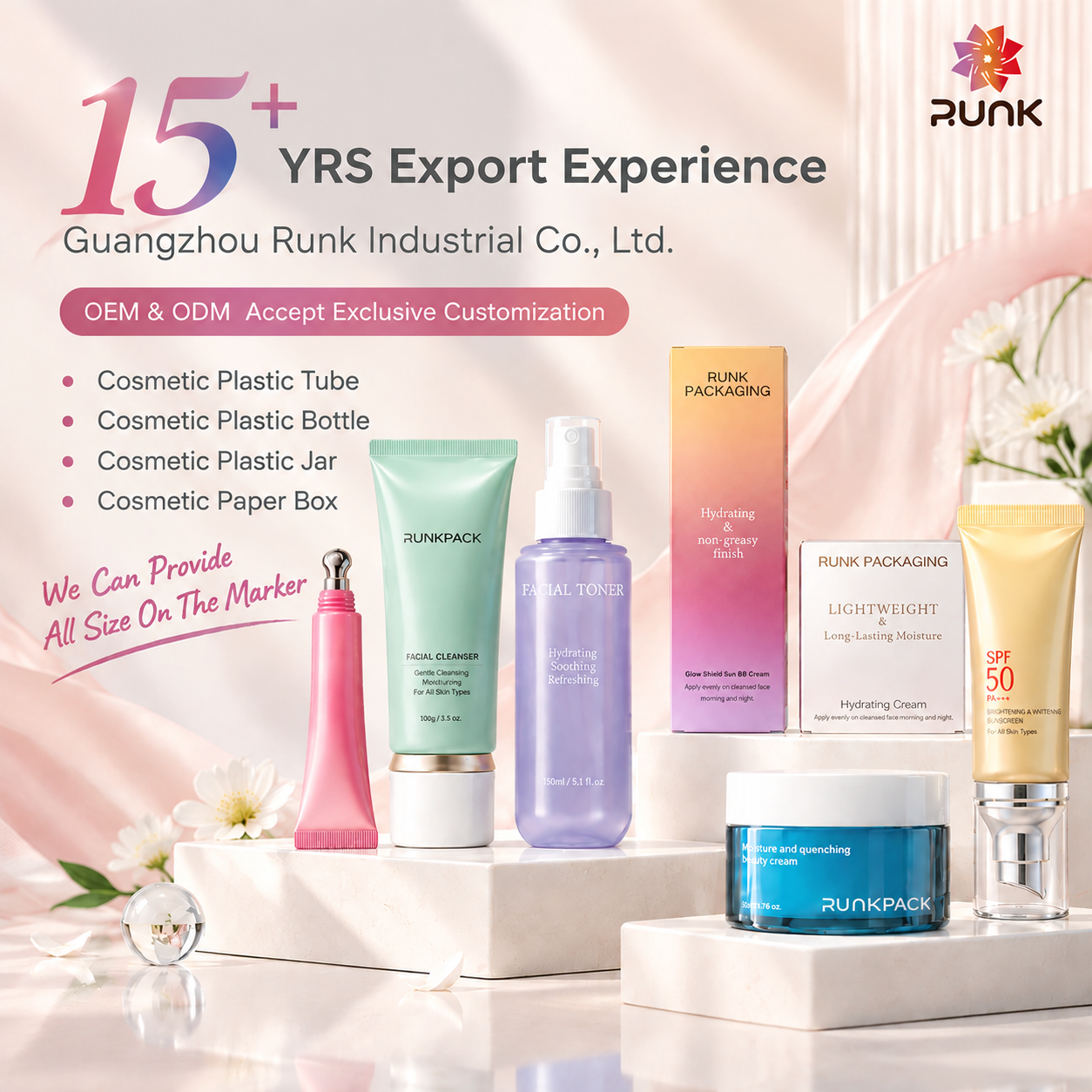
Table of Contents
- Runk Cosmetic Packaging: Plastic Bottles and Jars Manufacturer for Skincare Brands
- 1. Why Is Cosmetic Packaging Important for Skincare Brands?
- 2. Runk Cosmetic Plastic Bottles for Different Skincare Applications
- 3. Runk Cosmetic Plastic Jars for Creams, Balms, and Moisturizers
- 4. How to Choose the Right Plastic Material for Cosmetic Bottles and Jars
- 5. Custom Cosmetic Packaging Solutions: OEM and ODM Services
- 6. How to Select a Reliable Cosmetic Packaging Manufacturer
- 7. Why Consider Runk Packaging for Your Skincare Business?
- 8. How to Start Your Cosmetic Packaging Project with Runk
-
9. Frequently Asked Questions About Cosmetic Plastic Bottles and Jars
- Q1: What types of cosmetic plastic bottles does Runk offer?
- Q2: What types of products can be packaged in cosmetic plastic jars?
- Q3: Can I customize the color and logo of cosmetic bottles and jars?
- Q4: What is the difference between a lotion bottle and an airless bottle?
- Q5: Are plastic cosmetic bottles suitable for premium skincare products?
- Q6: Which plastic material is best for skincare packaging?
- Q7: What is the minimum order quantity (MOQ) for custom cosmetic packaging?
- Q8: Can I order samples before placing a bulk order?
- Q9: How long does cosmetic packaging production take?
- Q10: Can Runk help develop a complete skincare packaging collection?
- Q11: Are cosmetic plastic bottles and jars recyclable?
- Q12: How can I prevent leakage in cosmetic packaging?
- Q13: What information should I provide when requesting a quotation?
- Q14: Can cosmetic packaging be used for both skincare and haircare products?
- Q15: What should I consider when choosing sustainable cosmetic packaging?
- 10. Conclusion: Find the Right Cosmetic Packaging for Your Skincare Brand