EN
EN


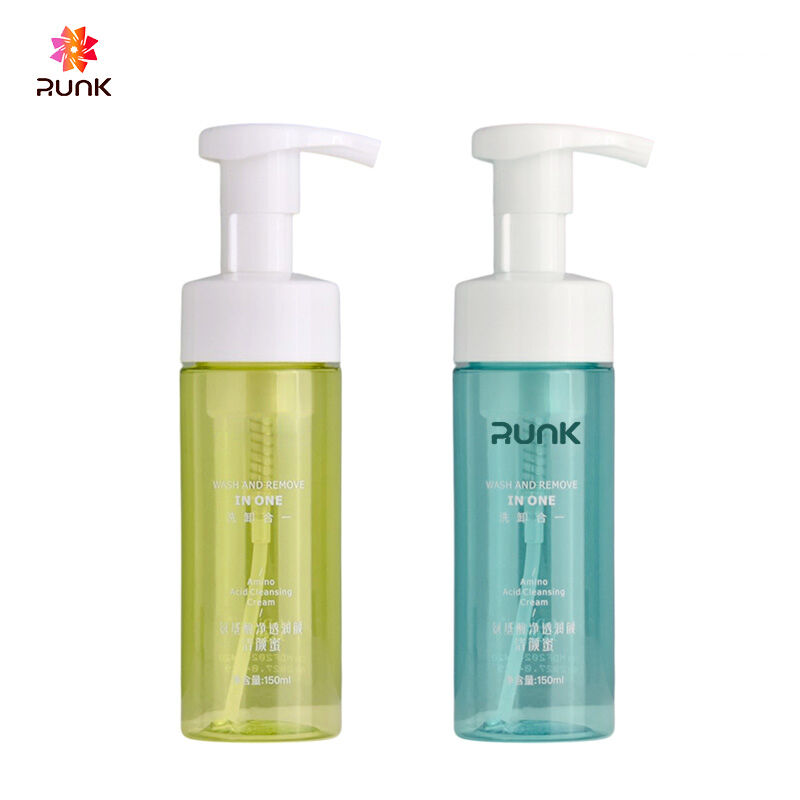
Why Standard Pump Bottles Fail in Wet Shaving Environments
In a wet shaving environment—where surfaces are slick, mirrors fogged, and hands coated with water and shaving gel—standard pump bottles become hazardous. Typically made of glossy, rigid plastic, they lose traction instantly when wet, forcing users to over-grip or resort to two-handed operation. Compounding this flaw is the traditional dip-tube mechanism: it draws product from the bottom of the bottle, introducing air gaps that degrade gel viscosity over time and commonly leave 10–15% of content trapped and unusable. Additionally, basic dome pumps demand high activation force, prompting users to press aggressively—leading to accidental over-dispensing, bottle tipping, or missed strokes mid-shave. These interrelated failures undermine one-handed, foggy-mirror usability while increasing spill risk and product waste. Though ergonomic pump bottles with non-slip design directly resolve these issues, standard alternatives remain widespread despite their documented inefficiency in shaving gel applications.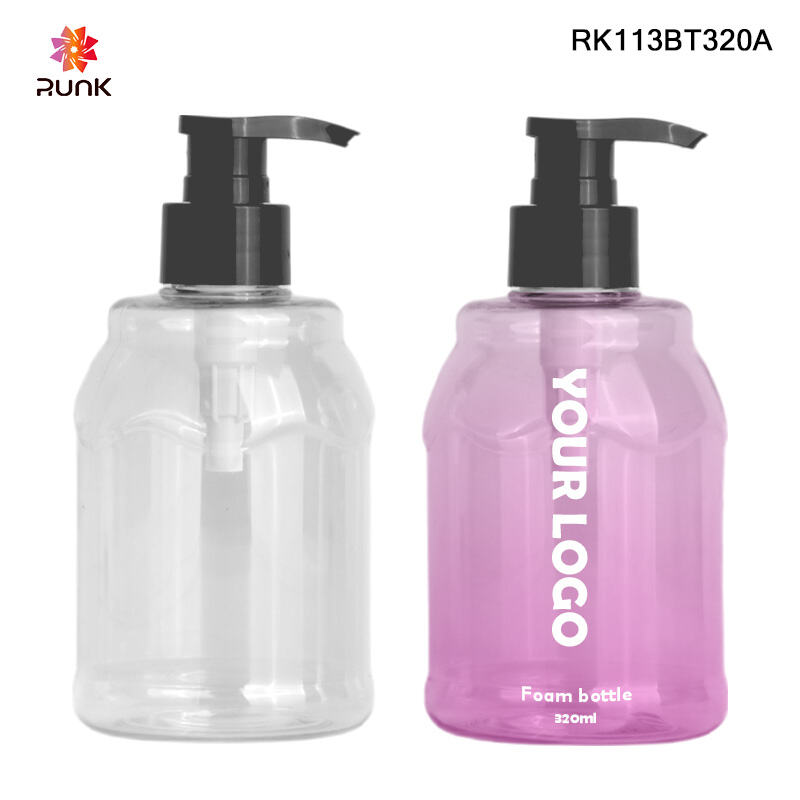
Non-Slip Design Essentials: Materials, Textures, and Human Factors Engineering
Ergonomic pump bottles for wet shaving rely on human factors engineering to ensure secure handling under real-world bathroom conditions—where soap, water, and shaving gel compromise grip. This discipline integrates material science and surface texture to maximize friction, stability, and tactile confidence.
Matte Finishes and Soft-Touch TPEs Boost Wet-Grip Friction by 2.3×
Matte surface treatments eliminate glare-induced slippage by diffusing light and reducing surface reflectivity. Soft-touch thermoplastic elastomers (TPEs) increase the coefficient of friction by 230% compared to standard polypropylene or PET plastics—proven in independent grip testing under simulated wet-shaving conditions (ISO 9241-411:2018). These materials retain secure contact even when saturated with water or glycerin-rich shaving gels, delivering consistent tactile feedback that supports precise, controlled dispensing.
Micro-Dimpled and Ribbed Surfaces Improve Load Distribution During One-Handed Squeeze
Micro-dimpled textures actively channel moisture away from critical contact zones, preserving skin-to-bottle adhesion. Vertical ribs serve a dual function: they guide finger placement for optimal leverage and distribute compressive load across the palm rather than concentrating pressure at the fingertips. This engineered load distribution reduces hand fatigue and prevents sudden slips during single-handed squeeze cycles—ensuring reliable actuation without compromising control.
Ergonomic Pump Functionality: Enabling Reliable One-Handed Use Across Age Groups
Ergonomic pump bottles must support intuitive, one-handed operation—especially during shaving, when the other hand holds a razor and visual feedback is limited. Design choices must account for physiological variation, particularly age-related changes in dexterity and strength.
Addressing Age-Related Grip Strength Decline in Men’s Daily Grooming
Men over 50 experience up to a 20% decline in average grip strength, according to longitudinal data from the Journal of Hand Therapy (2021). Standard pump domes—requiring strong pinch or palm compression—become increasingly difficult to operate reliably. Ergonomic solutions incorporate contoured finger rests, widened actuation zones, and non-slip TPE overmolds to redistribute force more evenly across the hand. For shaving gel users, this translates to consistent, repeatable dosing without strain—even with wet, soapy, or arthritic hands—reducing the risk of dropping the bottle in the shower.
Lever-Actuated Pumps Reduce Activation Force by 37% vs. Dome Designs
Lever-actuated pumps deliver a mechanical advantage that reduces required activation force by 37% compared to conventional dome pumps, per ASTM F2979-22 functional testing protocols. By converting downward thumb or finger motion into efficient vertical displacement, lever systems lower the threshold for reliable operation—making them accessible for users with reduced hand strength or joint mobility limitations. This efficiency also minimizes hand fatigue during daily use and aligns with WCAG 2.1 and ISO 9241-210 principles for inclusive, universal design.
Safety and Efficiency: How Ergonomic Pump Bottles Minimize Spills and Product Waste
Standard pump bottles contribute to avoidable safety hazards and economic loss in wet shaving routines: slippery surfaces lead to drops; inconsistent actuation causes over-dispensing; and dip-tube mechanisms trap residual product. Ergonomic pump bottles resolve all three issues simultaneously. Non-slip surfaces—whether matte-finished, micro-dimpled, or TPE-overmolded—provide stable handling under wet, soapy, or gel-coated conditions, preventing accidental drops and messy spills. Precision metering valves deliver a consistent, calibrated dose with each actuation—eliminating the guesswork and waste common with squeeze tubes or poorly tuned pumps. When paired with airless pump technology, evacuation efficiency reaches ≥98%, leaving only trace residue—far exceeding the 85–90% typical of standard dip-tube systems (U.S. FDA Guidance on Container Closure Systems, 2022). The result is a safer, cleaner, and more economical shaving experience—where every gram of gel performs as intended, and every user, regardless of age or ability, maintains full control.
FAQ
Why do standard pump bottles fail in wet shaving environments?
Standard pump bottles often fail in wet shaving environments due to their glossy, rigid plastic construction which loses traction when wet. This can lead to over-gripping or the need for two-handed operation, as well as product waste and increased spill risk due to air gaps in the dip-tube mechanism and high activation force required by the pump.
What are the benefits of using ergonomic pump bottles?
Ergonomic pump bottles offer benefits such as non-slip design and reduced activation force, allowing for intuitive, one-handed operation. They minimize spills and product waste while ensuring consistent dosing, which is crucial in wet, soapy, or gel-coated environments. These ergonomic designs are also beneficial for those with reduced hand strength or dexterity.
How does an ergonomic pump design accommodate different age groups?
Ergonomic pumps accommodate different age groups by addressing age-related grip strength decline and designing features such as contoured finger rests, widened actuation zones, and non-slip materials that redistribute force. Lever-actuated pumps, specifically, reduce the activation force required, making them accessible for users with reduced strength or mobility.
Table of Contents
- Why Standard Pump Bottles Fail in Wet Shaving Environments
- Non-Slip Design Essentials: Materials, Textures, and Human Factors Engineering
- Ergonomic Pump Functionality: Enabling Reliable One-Handed Use Across Age Groups
- Safety and Efficiency: How Ergonomic Pump Bottles Minimize Spills and Product Waste
- FAQ