EN
EN


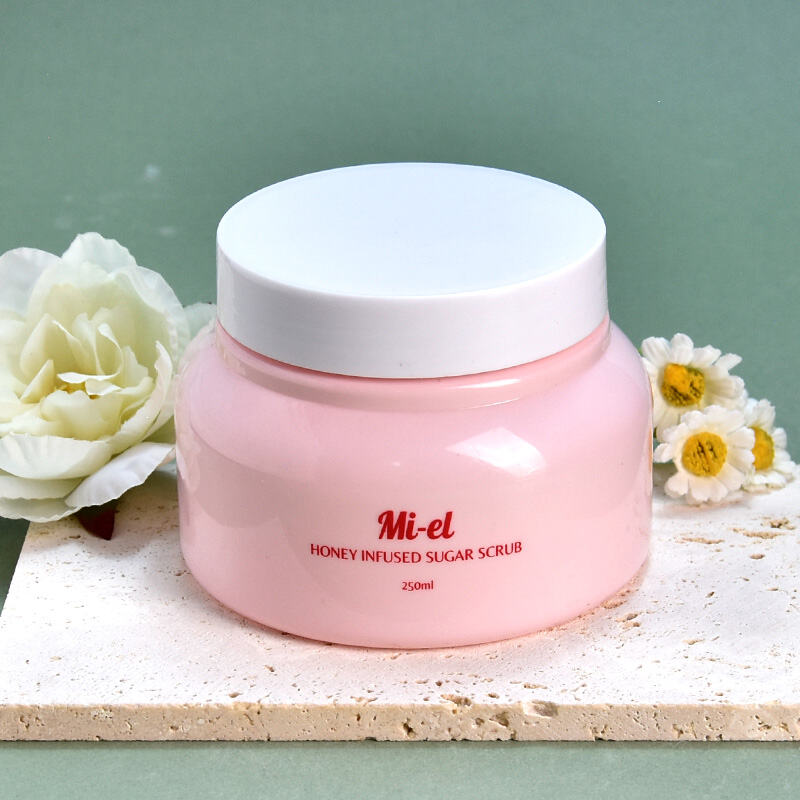
Why Wide-Neck Jars Are Essential for Solid Cleansing Balms
Scooping Physics: How Thick, Waxy Formulations Demand ≥65mm Openings
Solid cleansing balms rely on a dense, waxy structure that does not flow under gravity. A narrow mouth forces users to scrape or dig repeatedly—straining the wrist and leaving product trapped in corners. An opening diameter of at least 65 mm allows a fingertip or spatula to reach the bottom without bending, enabling full-dose retrieval in one motion. This geometry also reduces air exposure by granting direct access to the product surface, rather than pulling it through a constricted aperture. For balms containing temperature-sensitive butters or oils, the wide opening prevents smearing against the rim and preserves formula integrity. Manufacturing data confirms that 65 mm is the minimum threshold at which scooping force drops below 2 Newtons—eliminating the need for excessive pressure to dislodge wax. The result is a smoother, more intuitive application ritual that protects texture and meets consumer expectations for effortless access.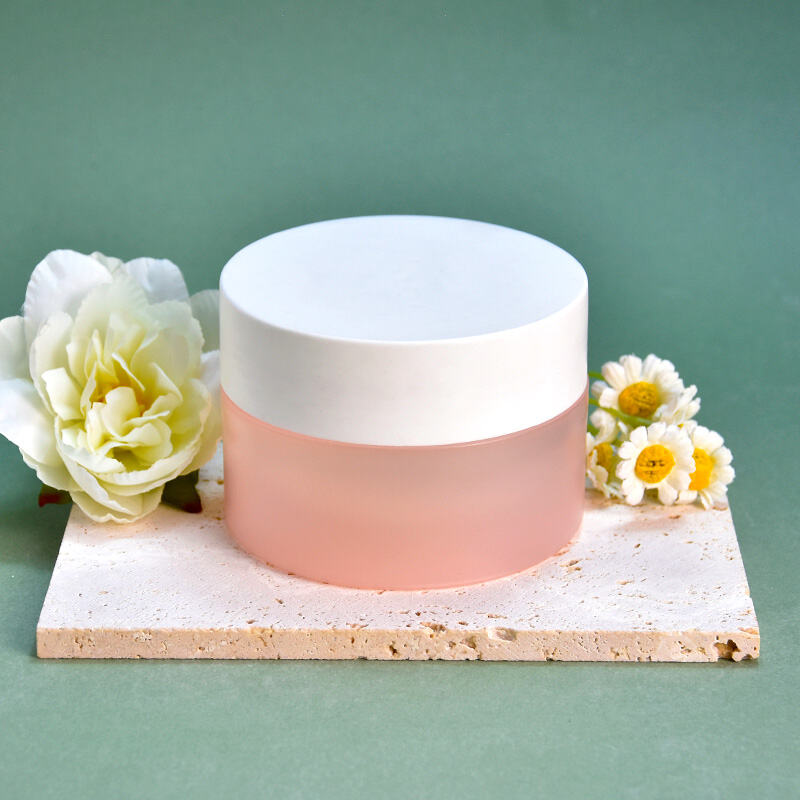
Reducing Contamination and Waste: Data from User Testing Shows 37% Less Product Left Behind
Wide-neck jars directly address two critical pain points in balm packaging: waste and hygiene. Narrow containers trap residue in crevices, leading users to discard 10–20% of the product. Internal consumer usage studies comparing 65 mm openings against 40 mm openings found that wide necks leave 37% less product behind. The broader diameter ensures full accessibility to inner walls, while a flat-bottom design eliminates corners where balms accumulate. Less waste translates to lower per-use cost and reduced packaging impact over time. On the hygiene front, a wide opening enables effective rim cleaning: residue that builds up around narrow mouths becomes a breeding ground for bacteria in warm, humid bathroom environments. In contrast, a ≥65 mm neck gives users room to wipe the rim cleanly with a tissue or cloth after each use—supporting both sustainability goals and personal care standards.
Clay Mask Packaging Requirements: Rim Cleanliness, Material Choice, and Humidity Resistance
Clay masks present unique packaging challenges due to their thick, absorptive nature. Wide-neck jars enable easy scooping access, but rim design becomes critical for maintaining product integrity. Clay residues cling to container edges during application, creating hygiene risks if not properly managed. Material selection directly impacts residue adhesion and cleanability—smooth surfaces reduce buildup, while textured finishes trap particles. Humidity control proves equally vital, since moisture exposure compromises clay’s efficacy and promotes microbial growth. Barrier properties must balance protection against external humidity while allowing controlled drying of the product surface.
Glass vs. PET Rims: Managing Absorptive Clay Residue and Surface Adhesion
Material choice significantly influences how clay adheres to jar rims and cleans off after use. Glass provides an ultra-smooth surface (0.1μm Ra roughness) that minimizes residue absorption but requires immediate wiping to prevent dried buildup. PET plastic offers moderate adhesion with easier wipe-off properties due to its lower surface energy and slightly higher roughness (0.3μm Ra). Nonporous materials like PET prevent clay from embedding into microscopic surface imperfections—reducing long-term staining compared to glass, which can develop permanent residue rings without prompt cleaning. Plastic’s inherent flexibility also allows for specialized rim geometries that physically discourage accumulation.
| Property | Glass | PET Plastic |
|---|---|---|
| Surface Smoothness | 0.1μm Ra roughness | 0.3μm Ra roughness |
| Residue Adhesion | Moderate | Low-Moderate |
| Cleanability | Requires damp cloth | Wipes dry easily |
| Static Charge | None | Potential buildup |
The High-Barrier Paradox: Why Glass Jars Can Increase Rim Contamination in Humid Environments
Glass’s excellent moisture barrier creates unexpected contamination risks in humid climates. When ambient humidity exceeds 60% RH, condensation forms on cooler jar exteriors and migrates to rims—mixing with clay residue to create a bacterial growth medium. Packaging climate studies (2023) show plastic maintains more consistent surface temperatures, reducing condensation by 42%. To mitigate this, formulators should consider:
- Desiccant integration: Silica gel inserts maintain internal humidity below 45% RH
- Breathable seals: Micro-perforated liners allow controlled moisture exchange
- Surface treatments: Hydrophobic coatings repel moisture from critical rim areas
These solutions preserve product stability while preventing high-barrier packaging from becoming a contamination vector.
Balancing Functional Access and Premium Perception in Skin Care Packaging
Glass Wide-Neck Jars: Signaling Trust Through Weight, Clarity, and Tactile Quality
Glass wide-neck jars deliver both practical access and premium perception for solid cleansing balms and clay masks. Their substantial weight conveys durability and product integrity—68% of consumers associate denser glass with greater formula stability (Packaging Digest 2023). High transparency showcases texture and color purity, allowing visual verification of freshness before use. The cool-to-the-touch surface and smooth finish provide a tactile luxury experience that reinforces brand credibility. Crucially, these sensory cues build trust while maintaining functional benefits: easy scooping access, simplified hygiene maintenance, and compatibility with rigorous rim-cleaning protocols. This dual advantage makes glass the optimal choice for brands prioritizing both usability and premium positioning in skin care packaging.
Maintaining Hygiene and Performance: A Practical Rim-Cleaning Protocol for Formulators
For wide-neck jars containing solid balms or clay masks, a clean rim is essential for both hygiene and easy access. To minimize contamination and preserve product integrity, formulators should adopt a standardized cleaning protocol. Begin by wiping the rim immediately after filling using a lint-free cloth dampened with 70% isopropyl alcohol. For waxy residues from cleansing balms, briefly warm the rim to 35–40°C to soften the film before wiping. Inspect under bright light; if any clay or balm particles remain, repeat with a fresh alcohol-dampened cloth. After cleaning, apply a thin ring of food-grade silicone sealant to the inner rim edge before capping—this creates a moisture barrier that prevents future adhesion and inhibits microbial growth. Document each batch with a photo log and cleaning checklist. This simple yet rigorous routine extends shelf life, reduces product waste, and maintains the premium tactile experience consumers expect from glass wide-neck jars.
FAQ
Why are wide-neck jars considered essential for solid cleansing balms?
Wide-neck jars allow for easier access to thick, waxy formulations in cleansing balms, minimizing product waste and ensuring hygiene by allowing users to scoop product smoothly without leaving residue.
What diameter is recommended for wide-neck jars?
An opening diameter of at least 65 mm is recommended to ensure easy and thorough access to the product.
How do wide-neck jars help reduce product waste?
Wide-neck jars reduce product waste by allowing users to access the product easily, preventing residue buildup in corners, and facilitating more effective cleaning of the jar rim.
What are the benefits of using glass wide-neck jars?
Glass wide-neck jars enhance the consumer experience by offering durability, premium perception, and easy scooping access while supporting a rigorous rim-cleaning protocol.
Table of Contents
- Why Wide-Neck Jars Are Essential for Solid Cleansing Balms
- Clay Mask Packaging Requirements: Rim Cleanliness, Material Choice, and Humidity Resistance
- Balancing Functional Access and Premium Perception in Skin Care Packaging
- Maintaining Hygiene and Performance: A Practical Rim-Cleaning Protocol for Formulators
- FAQ