EN
EN


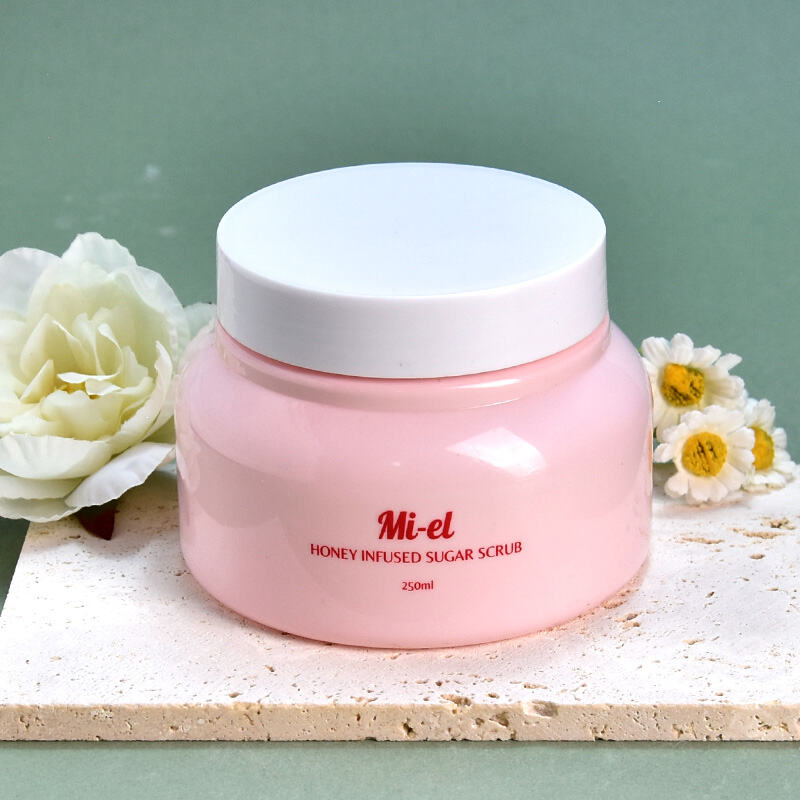
How Seal Integrity Prevents Leaks: Threading, Gaskets, and Pressure-Resistant Locking
Precision Threading and Torque-Responsive Closures for Consistent Seal Force
For leak-proof travel bottles, precision threading creates a uniform interface between cap and container. When threads are machined to tight tolerances, the closure engages evenly—distributing compression uniformly around the seal. Torque-responsive closures solve a key failure point: inconsistent tightening. Too little torque leaves micro-gaps; too much can deform the gasket or crack the neck. A torque-responsive mechanism clicks or stops at the optimal tightness, delivering repeatable seal force every time. This consistency is essential for mask packaging containing high-essence liquids, where even minor torque variation can trigger leakage during transit. The result is a reliable, contamination-resistant barrier.
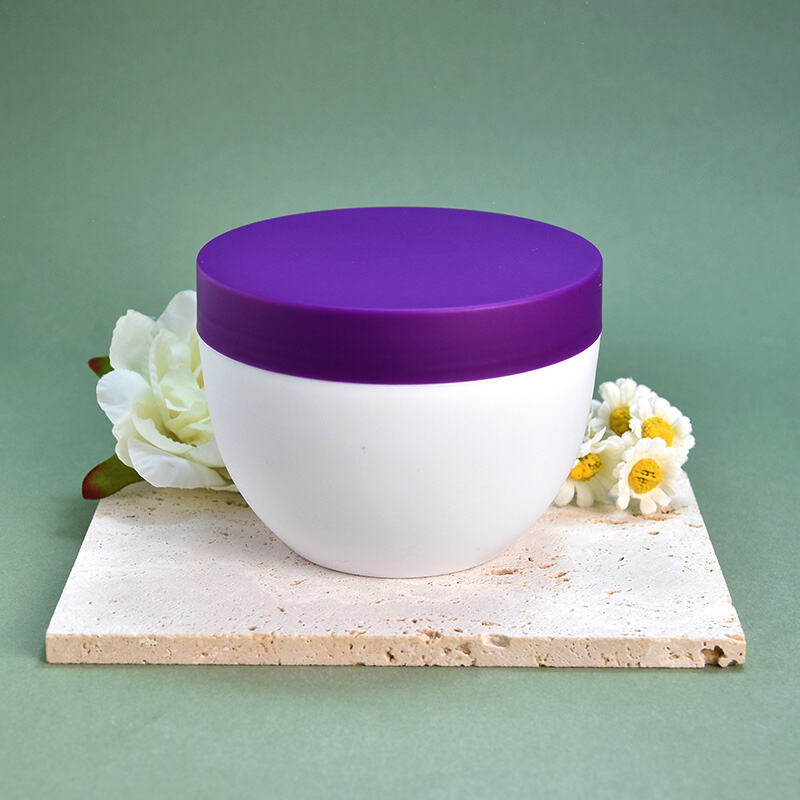
Food-Grade Silicone Gaskets vs. EPDM: Long-Term Compression Set Resistance
The gasket is the heart of seal integrity. Food-grade silicone outperforms EPDM rubber in compression set—the measure of how fully a material rebounds after sustained compression. Silicone’s low compression set ensures full recovery after each opening and resealing, maintaining consistent contact pressure over hundreds of cycles. EPDM, while resistant to heat and ozone, gradually takes a permanent “set,” eroding sealing force over time. For travel bottles carrying active serums or fermented masks, silicone gaskets deliver long-term reliability without leakage. Its chemical inertness also prevents flavor, odor, or active ingredient transfer—preserving formula purity from first use to last.
Dual-Action Locking (Twist-Lock + Snap-Seal) for Cabin Pressure Stability
Airplane cabin pressure fluctuations pose a unique threat: during descent, external pressure rises rapidly while internal bottle pressure lags, creating a 0.8–0.5 atm differential that can push liquid past a single seal. Dual-action locking counters this with two independent barriers. A twist-lock establishes primary compression, while a snap-seal—typically a ratchet ring or detent—mechanically locks rotational movement, preventing loosening from vibration or handling. Together, they keep the cap immobile under dynamic pressure shifts. For mask packaging requiring absolute air-tightness during travel, this dual system delivers security no standard screw-on cap can match.
Material Science for High-Essence Masks & Actives: Preventing Adsorption, Oxidation, and Viscosity Loss
When formulating high-concentration masks and active serums, packaging material becomes an active participant—or a hidden source of degradation. Adsorption onto container walls, oxidation from air permeation, and viscosity loss due to shear stress can all undermine product efficacy before the user opens the bottle. Selecting the right material ensures that leak-proof travel bottles preserve both formula integrity and user experience.
Medical-Grade Silicone Jars: Chemical Inertness and Shear-Safe Dispensing for Fermented Masks
Fermented masks contain live cultures, enzymes, and delicate peptides that require absolute chemical neutrality. Medical-grade silicone offers near-zero interaction with these ingredients. Its non-porous surface prevents adsorption of actives, while its flexibility enables shear-safe dispensing: a gentle squeeze releases product without disrupting molecular structure. Unlike rigid plastics, silicone avoids high-force threading that risks gasket deformation. Its low compression set supports gasket rebound across repeated openings, and its inertness eliminates catalytic oxidation—preserving enzyme potency. Resistance to microbial growth adds a safety layer for multi-use travel jars, reducing viscosity loss and maintaining intended texture—even under cabin pressure fluctuations.
PETG Bottles Over HDPE: Superior Barrier Properties for Peptide Serums and Oxygen-Sensitive Actives
Peptide serums and oxygen-sensitive actives—like vitamin C or retinol—demand significantly lower oxygen transmission than HDPE provides. PETG (polyethylene terephthalate glycol) offers an oxygen barrier roughly five times better than HDPE, with a typical transmission rate of 0.1 cc·mil/100 in²·day. This dramatically slows oxidation, extending shelf life. For peptide chains prone to hydrolysis, PETG’s moisture vapor barrier also exceeds HDPE’s, helping prevent gelation and viscosity loss. Its clarity allows users to monitor remaining volume, and its chemical resistance prevents leaching into sensitive formulations. Paired with double-seal caps, PETG maintains seal integrity during pressure changes—keeping serums potent and stable through travel. Its impact resistance further reduces fracture risk during baggage handling.
Travel-Specific Leakage Risks: From TSA Handling to Cabin Pressure Fluctuations
Descent-Induced Leakage: Why 87% of Failures Occur at 0.8–0.5 atm Differential
During flight descent, cabin pressure rises rapidly while sealed containers retain lower internal pressure—creating a dangerous 0.8–0.5 atm differential. Industry testing shows approximately 87% of in-flight leakage incidents occur specifically under this condition. The imbalance forces liquid against seals, exploiting microscopic imperfections in threading or gasket interfaces. Standard containers without pressure-compensating design fail catastrophically: internal vacuum pulls components out of alignment, breaking the seal. Modern travel bottles address this with dual-action locking systems—some incorporating flexible diaphragms or passive venting—to maintain mechanical integrity across pressure transitions.
Baggage Compression and Packing Density: How Lateral Force Compromises Seal Geometry
Checked luggage faces compression forces exceeding 50 psi during handling—posing distinct leakage risks. Tight packing distorts container geometry, undermining seal integrity through three mechanisms:
- Thread misalignment: Shear forces cause cross-threading, generating micro-gaps
- Gasket compression fatigue: Sustained lateral pressure accelerates silicone deformation
- Material flexure: Sidewall distortion creates capillary pathways for liquid migration
Packing density amplifies these effects—containers packed above 75% density experience 3.2× more leakage incidents than loosely packed items. Travelers should use rigid-sided cases and strategic cushioning to preserve container shape and seal geometry.
Mask-Specific Packaging Design: Wide-Mouth Jars vs. Precision Liquids Dispensers
Wide-Mouth Jar Geometry: Reducing Shear Stress on Clay, Sheet, and Hydrogel Masks
Wide-mouth jars provide critical advantages for preserving delicate mask formulations during travel. Their broad apertures minimize shear forces when accessing viscous clay masks, hydrogel sheets, or botanical blends. Unlike narrow-neck dispensers—which rely on high-pressure pumping that degrades sensitive actives—jars enable gentle scooping. This reduces structural breakdown in fermented masks or collagen-rich gels by up to 40% (Dermal Stability Journal, 2023). The geometry also limits oxygen exposure during repeated access—a key factor in maintaining efficacy for vitamin C–infused clay masks. For travel security, pair wide-mouth jars with dual-seal gaskets and torque-responsive closures to ensure leak-proof performance across cabin pressure shifts.
TSA-Compliant Leak-Proof Travel Bottles: Balancing Security, Accessibility, and Regulatory Fit
Navigating air travel with sensitive liquids demands packaging that balances security, accessibility, and strict regulatory compliance—including the TSA’s 3-1-1 rule. Effective solutions combine pressure-resistant closures—such as dual-action twist-lock and snap-seal systems—with precise sizing: containers must hold ≤3.4 oz (100 mL) and fit within a single quart-sized, clear plastic bag. Accessibility is enhanced via wide-mouth openings for easy filling and cleaning, plus clear labeling to streamline security screening. This integrated approach ensures skincare actives, mask preparations, and other essential liquids arrive intact—fully compliant, fully functional, and ready for use.
FAQ
What are the common materials used in leak-proof travel bottles?
Common materials include medical-grade silicone, PETG, and HDPE, each offering unique benefits such as chemical inertness and superior barrier properties.
How does dual-action locking help prevent leakage?
Dual-action locking uses a combination of twist-lock and snap-seal mechanisms to create a secure seal that remains intact even under pressure fluctuations, reducing the risk of leaks during travel.
What factors cause descent-induced leakage in travel bottles?
Descent-induced leakage is typically caused by rapid pressure changes during flight descent, which create a pressure differential that can exploit weak seals and lead to leakage.
Why use wide-mouth jars for masks and skincare products?
Wide-mouth jars reduce shear stress when accessing products, preserving the structural integrity of sensitive mask formulations and minimizing exposure to oxygen.
What is the TSA 3-1-1 rule and how do it apply to travel bottles?
The TSA 3-1-1 rule requires liquids to be packed in containers holding ≤3.4 oz (100 mL), fitting within a quart-sized clear plastic bag for security screening. Travel bottles must meet these conditions to be compliant.
Table of Contents
- How Seal Integrity Prevents Leaks: Threading, Gaskets, and Pressure-Resistant Locking
- Material Science for High-Essence Masks & Actives: Preventing Adsorption, Oxidation, and Viscosity Loss
- Travel-Specific Leakage Risks: From TSA Handling to Cabin Pressure Fluctuations
- Mask-Specific Packaging Design: Wide-Mouth Jars vs. Precision Liquids Dispensers
- TSA-Compliant Leak-Proof Travel Bottles: Balancing Security, Accessibility, and Regulatory Fit
-
FAQ
- What are the common materials used in leak-proof travel bottles?
- How does dual-action locking help prevent leakage?
- What factors cause descent-induced leakage in travel bottles?
- Why use wide-mouth jars for masks and skincare products?
- What is the TSA 3-1-1 rule and how do it apply to travel bottles?