EN
EN


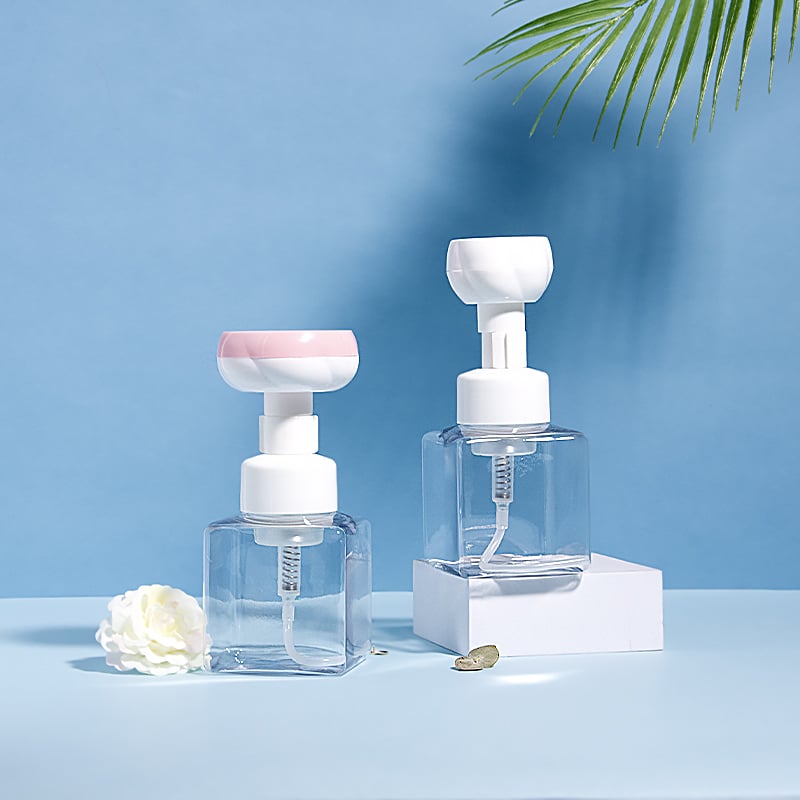
The facial foam cleanser bottle is one of the most technically demanding formats in cosmetic packaging. Unlike a standard pump or flip-cap dispenser, the facial foam cleanser bottle must convert a liquid formula into a consistent, airy foam with every press. This core function introduces a series of engineering and design challenges that affect everything from structural integrity to consumer satisfaction.
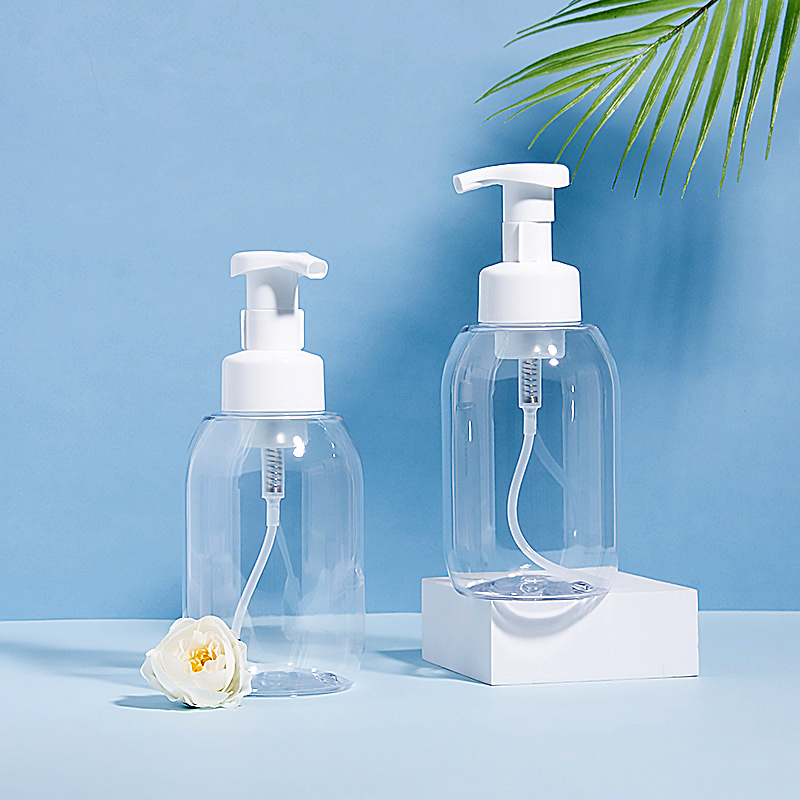
Brands investing in the facial foam cleanser bottle format must address these challenges early in the development process. A poorly designed facial foam cleanser bottle will frustrate users, leak during shipping, and fail to deliver the foam quality that consumers expect. Understanding the root causes of these design challenges helps packaging engineers and brand managers make smarter decisions at every stage of development.
Foam Pump Mechanism and Performance Precision
The Engineering Complexity Behind Every Pump
The pump mechanism is the heart of every facial foam cleanser bottle. A foam pump works by drawing liquid from the bottle reservoir and mixing it with air through a fine mesh screen, producing foam at the nozzle. This process requires extremely tight tolerances between the inner components. Even small variations in the mesh size, spring tension, or valve fit can disrupt the foam quality and cause inconsistent output.
Designing a facial foam cleanser bottle that delivers uniform foam density across its entire product lifespan is a significant challenge. The foam pump in a facial foam cleanser bottle must perform reliably on the first press and continue performing the same way after hundreds of uses. Engineers must select materials for the internal pump components that resist deformation over time, especially when exposed to surfactant-rich formulas.
Priming and Activation Resistance
Another well-known issue with the facial foam cleanser bottle is the priming requirement. When a bottle is first opened, or after a period of non-use, air trapped in the pump chamber must be cleared before foam can dispense correctly. A facial foam cleanser bottle that requires excessive priming strokes delivers a poor first impression. Designers must calibrate the dip tube length, chamber volume, and check valve sensitivity to minimize the number of priming strokes needed while preventing unwanted leakage.
Material Compatibility and Structural Integrity
Selecting the Right Bottle Material
The material selected for a facial foam cleanser bottle must be chemically compatible with the formula it contains. Many facial cleansers contain surfactants, preservatives, botanical extracts, and pH-adjusting agents that can interact negatively with certain plastics. A facial foam cleanser bottle made from the wrong resin may show stress cracking, cloudiness, or discoloration after weeks of contact with the formula. This is especially critical because facial foam cleanser bottle products often sit in humid bathroom environments for months.
PET, HDPE, and PP are commonly evaluated for the facial foam cleanser bottle format. Each material offers different trade-offs in terms of clarity, chemical resistance, and recyclability. Brands producing a premium facial foam cleanser bottle often prefer PET for its glass-like clarity, but must verify that their specific formula does not degrade PET over the product's shelf life. Compatibility testing between the formula and the facial foam cleanser bottle material is a non-negotiable step in responsible packaging development.
Preventing Leakage and Structural Failures
Leakage is one of the most reported quality failures associated with the facial foam cleanser bottle. Because the facial foam cleanser bottle integrates a multi-component pump system, there are several potential leak points, including the pump collar seal, the dip tube connection, and the bottle neck thread. Torque testing and drop testing for the facial foam cleanser bottle are critical quality assurance steps. If the bottle neck is not precisely molded to the pump collar specification, the facial foam cleanser bottle will leak under normal transport vibration or temperature changes.
Wall thickness uniformity in the facial foam cleanser bottle body also plays a role in structural reliability. A facial foam cleanser bottle with uneven wall thickness may deform when squeezed by the consumer or when stacked during warehouse storage. Injection blow molding and extrusion blow molding processes must be carefully controlled to produce a facial foam cleanser bottle with consistent wall distribution throughout the body and shoulder.
User Experience and Dispensing Control
Balancing Foam Volume and Formula Concentration
Consumers expect the facial foam cleanser bottle to deliver a fixed, predictable foam output with each press. Too little foam makes the facial foam cleanser bottle feel unsatisfying and ineffective. Too much foam wastes product and leads consumers to perceive the formula as diluted. The facial foam cleanser bottle design must be coordinated with the formula viscosity to achieve the right liquid-to-air ratio inside the pump mechanism. This means packaging teams and formulation chemists must collaborate closely when developing a new facial foam cleanser bottle.
Dosage control is especially important for the facial foam cleanser bottle in retail environments where consumers compare products side by side. A facial foam cleanser bottle that consistently dispenses the same volume of foam every time builds consumer trust and reduces complaints. Adjusting the pump stroke volume and mesh density in the facial foam cleanser bottle allows manufacturers to fine-tune output for different formula viscosities and product positioning.
Ergonomics and Dispensing Accessibility
The ergonomic design of the facial foam cleanser bottle is often underestimated as a design challenge. A facial foam cleanser bottle used during a daily skincare routine must be easy to hold, easy to press, and easy to use with wet, soapy hands. The pump head height, bottle diameter, and surface texture of the facial foam cleanser bottle all affect how comfortably a consumer can operate it. A facial foam cleanser bottle that is too narrow may tip easily. A pump head that is too stiff creates frustration, especially for older consumers or those with reduced hand strength.
Dispensing accessibility also relates to the ability to use all the product in the facial foam cleanser bottle. If the dip tube in the facial foam cleanser bottle is too short, a significant portion of the formula is left unusable at the bottom. Optimizing dip tube length and considering a curved or angled tube design helps the facial foam cleanser bottle achieve a better product-to-waste ratio, which is increasingly important to sustainability-conscious consumers.
FAQ
Why does my facial foam cleanser bottle sometimes dispense liquid instead of foam?
This typically occurs when the mesh screen inside the facial foam cleanser bottle pump becomes clogged or damaged. It can also happen if the formula viscosity is too high for the pump mechanism. The facial foam cleanser bottle requires a balance between formula consistency and pump design to produce proper foam every time.
What is the ideal material for a facial foam cleanser bottle used with sensitive skin formulas?
For sensitive skin formulas, a facial foam cleanser bottle made from food-grade PP or high-clarity PET is typically recommended. These materials offer good chemical resistance and low risk of interaction with gentle, fragrance-free formulas. Always conduct compatibility testing between the specific formula and the facial foam cleanser bottle material before final production.
How can leakage in a facial foam cleanser bottle be prevented during shipping?
Preventing leakage in the facial foam cleanser bottle during shipping requires tight collar torque control, proper neck thread design, and in many cases, the inclusion of a tamper-evident seal or overcap. Drop testing and vibration testing for the facial foam cleanser bottle under simulated shipping conditions should be completed as part of quality approval before mass production begins.