EN
EN

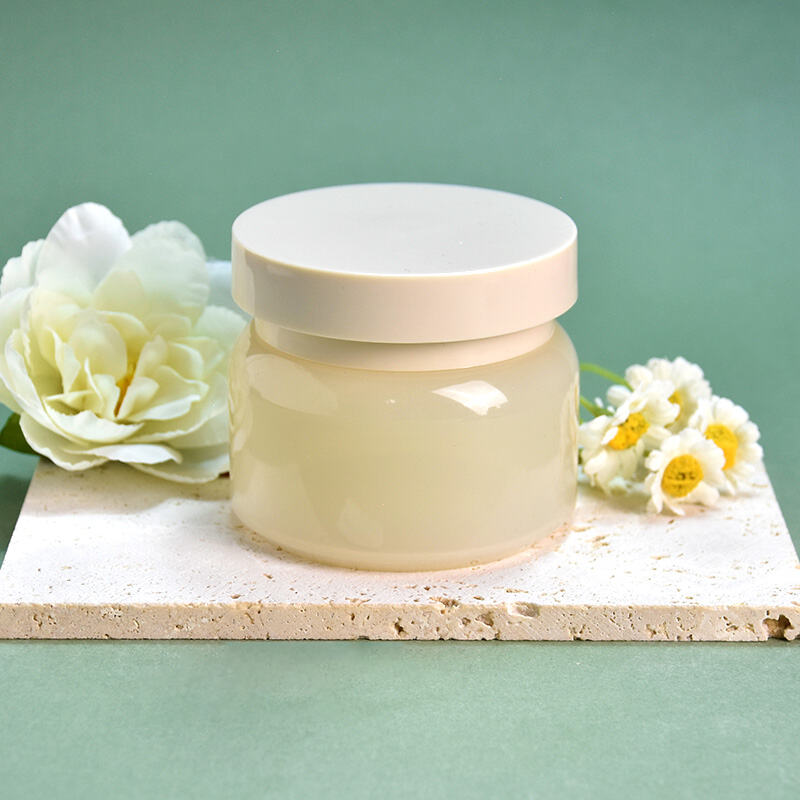
Upfront Cost Structure of Fancy Cosmetic Jars
Material Premiums: Glass, PCR Plastic, and Airless Systems Compared
Choosing materials for fancy cosmetic jars directly shapes initial investment. Glass delivers unmatched luxury perception and barrier performance but carries a 20–40% cost premium over standard plastics—driven by raw material expense, energy-intensive molding, and tighter quality control. Post-consumer recycled (PCR) plastic supports sustainability commitments yet adds 10–15% to unit cost due to processing complexity and rigorous clarity testing. Airless pump systems extend shelf life by limiting oxidation and contamination, but add $0.50–$1.25 per unit versus standard jars. Each choice reflects a strategic trade-off: glass strengthens premium positioning, PCR advances ESG goals, and airless technology reduces in-use waste and reformulation risk.
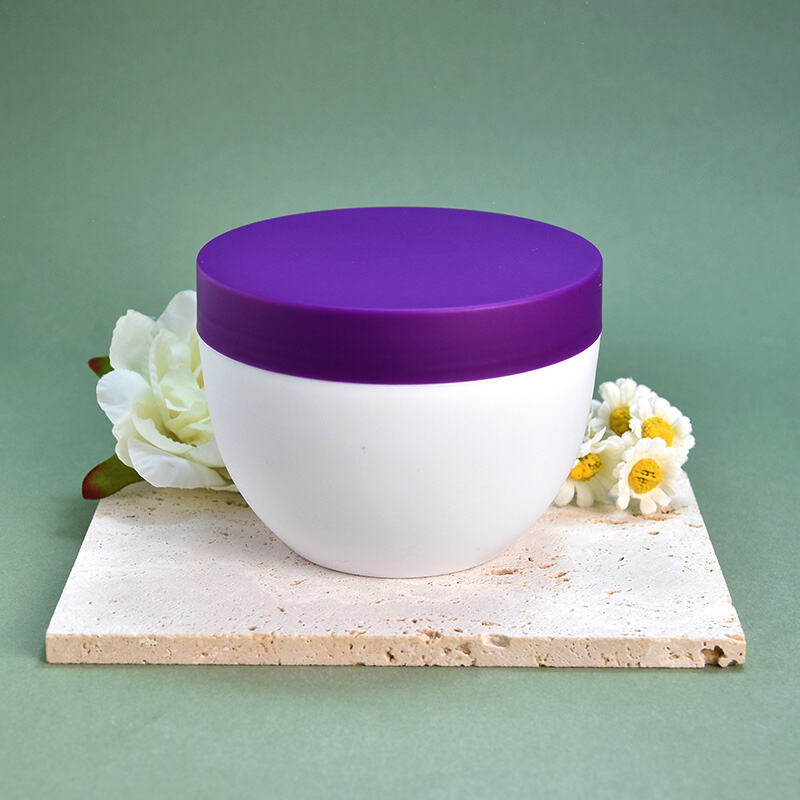
Manufacturing Complexity and Tooling Investment for Decorative Finishes
Intricate finishes—embossed logos, gradient coatings, metallic accents—require custom tooling and multi-step production, escalating upfront capital and per-unit costs. Mold development alone ranges from $8,000 to $25,000, with secondary processes like silk screening or UV varnishing adding $0.15–$0.30 per unit while slowing line speeds by 15–25%. Low-volume runs (<10,000 units) magnify inefficiencies, pushing per-unit expenses up to 37% higher for dual-finish designs versus single-color alternatives. While decorative elements power brand differentiation, their viability hinges on disciplined volume forecasting and clear alignment between aesthetic intent and cost-per-impression targets.
| Material/Feature | Cost Premium | Key Benefit | Production Impact |
|---|---|---|---|
| Glass | 20–40% | Luxury perception, superior barrier properties | Slower molding cycles, higher breakage risk |
| PCR Plastic | 10–15% | Sustainability compliance, reduced carbon footprint | Higher QC scrutiny, potential variability in clarity |
| Airless System | $0.50–$1.25/unit | Shelf-life extension, near-complete product evacuation | Complex assembly, tighter tolerance requirements |
| Metallic Finish | $0.20–$0.35/unit | Visual differentiation, tactile premium cue | 25% slower line speed, increased defect sensitivity |
Operational & Lifecycle Cost Impacts of Fancy Cosmetic Jars
Fragility, Weight, and Logistics: Breakage Rates and Shipping Cost Escalation
Material-driven fragility and weight significantly affect operational economics. Glass jars average a 4.2% transit breakage rate (Packaging Digest, 2023), triggering costly protective packaging—double-walled cartons, molded pulp inserts, or custom foam trays—that inflate landed cost by 12–18%. Their 300% greater weight versus PCR plastic also triggers dimensional weight surcharges and limits viable shipping modes: air freight becomes prohibitively expensive, forcing reliance on ocean transport and extending cash-to-cash cycles by 15–30 days. Forward-thinking brands mitigate this through regional fulfillment networks, AI-powered packaging optimization (reducing void fill by up to 40%), and pallet redesigns that improve container utilization by 22%.
UV Protection and Airless Functionality: Shelf-Life Extension vs. Reformulation Savings
Advanced barrier features deliver measurable lifecycle savings. Amber glass and UV-inhibitor–infused plastics prevent photo-degradation of actives, extending shelf life by 8–12 months and reducing preservative load by 15–30%—yielding $0.18–$0.37 per unit in formulation savings. Airless systems offer layered ROI: though they carry a $0.35–$0.75 per-unit premium, they cut stability testing costs by an average of $120k per SKU and enable 97% product evacuation (versus 85% in conventional jars). Critically, Beauty Packaging (2024) reports 23% higher repurchase rates for airless formats—linking functional superiority directly to retention. These gains must be weighed against the 18–24% higher logistics burden imposed by protective packaging—but the net impact often favors airless when paired with optimized supply chain design.
Sustainability Alignment and Regulatory ROI of Fancy Cosmetic Jars
High-PCR Content and Lightweighted Glass: EPR Compliance Gains vs. Unit Cost Increase
High-PCR content and lightweighted glass are no longer just eco-signals—they’re regulatory and economic levers. In markets governed by Extended Producer Responsibility (EPR) schemes—including the EU’s PPWD and California’s SB 54—fees scale with packaging weight and recyclability. Lightweighted glass cuts per-unit mass by 20–30%, lowering both EPR levies and freight costs. High-PCR glass, though 10–15% more expensive than virgin alternatives, avoids most penalty fees and qualifies brands for retailer sustainability incentives (e.g., Sephora’s Sustainable Packaging Program). The net result is a modest $0.08–$0.15 per-unit cost increase, offset by compliance savings and retail advantages. Across 500,000 units annually, the total uplift narrows to under 5% of baseline packaging spend—making sustainability a margin-neutral, reputation-enhancing priority.
Refillable Systems: CapEx Payback Period and Long-Term Customer Lifetime Value (LTV) Lift
Refillable systems demand upfront CapEx for durable outer vessels and precision-engineered cartridges—but deliver compelling financial returns. Payback typically occurs within 12–18 months: refill units use 60–70% less material and cost 30–40% less to produce, enabling attractive price points without margin erosion. More strategically, refill adoption drives loyalty: customers who refill three times generate ~2.5× the LTV of one-time buyers. Eco-conscious shoppers also accept a small premium for convenience and purpose alignment—amplifying perceived brand integrity. Over three years, cumulative LTV lift exceeds 40%, transforming initial investment into a scalable engine for retention, reduced environmental impact, and differentiated shelf presence.
Market Validation: Consumer Demand and Brand Performance Drivers for Fancy Cosmetic Jars in 2026
The global cosmetic jars market is projected to grow from $4.76 billion in 2025 to $7.25 billion by 2035, expanding at a 4.3% CAGR (Future Market Insights, 2025). Personal care and beauty products will dominate—accounting for over 70.8% of market share by 2035—fueled by rising skincare investment, digital discovery, and demand for sensorial, premium experiences. This growth is accelerating fastest in Asia Pacific, where luxury brands like La Mer and Dior are scaling e-commerce distribution to meet rapidly expanding consumer sophistication.
Fancy cosmetic jars are no longer passive containers—they’re active brand assets. Their material quality, tactile finish, and structural integrity shape first impressions, reinforce efficacy claims, and elevate perceived value. As JCCosmoPack notes, luxury jars serve as “silent salespeople,” delivering unboxing moments that deepen emotional connection and drive repeat purchase. In an era where 68% of consumers say packaging influences their decision to try a new brand (McKinsey, 2024), investing in thoughtful, high-performance jar design isn’t optional—it’s foundational to competitive positioning, premium pricing power, and long-term brand equity.
Ready to upgrade your skincare packaging with premium airless bottles? Partner with a 15-year cosmetic packaging manufacturer. Contact us today for a free sample and consultation.
FAQ
What materials are commonly used for fancy cosmetic jars, and what are their benefits?
Glass, PCR plastic, and airless systems are frequently used. Glass offers luxury perception and superior barrier properties, PCR plastic supports sustainability, and airless systems extend shelf life and reduce product waste.
Why do decorative finishes increase the cost of cosmetic jars?
Decorative finishes like metallic accents or embossed logos require custom tooling and multi-step production processes, which increase upfront costs and per-unit prices while potentially slowing down production lines.
How do fancy cosmetic jars impact logistics and shipping?
Glass jars are heavier and more fragile than plastic alternatives, leading to higher shipping costs from protective packaging and weight surcharges. However, advanced packaging techniques can mitigate these challenges.
What is the financial impact of incorporating airless systems into cosmetic jars?
Airless systems add $0.35–$0.75 per unit but reduce waste, enable almost total product usage, and can improve customer repurchase rates due to superior functionality.
What sustainability options are available for cosmetic jars?
High-PCR content, lightweighted glass, and refillable systems support sustainability initiatives while also meeting regulatory requirements and potentially lowering compliance costs.
Table of Contents
- Upfront Cost Structure of Fancy Cosmetic Jars
- Operational & Lifecycle Cost Impacts of Fancy Cosmetic Jars
- Sustainability Alignment and Regulatory ROI of Fancy Cosmetic Jars
- Market Validation: Consumer Demand and Brand Performance Drivers for Fancy Cosmetic Jars in 2026
-
FAQ
- What materials are commonly used for fancy cosmetic jars, and what are their benefits?
- Why do decorative finishes increase the cost of cosmetic jars?
- How do fancy cosmetic jars impact logistics and shipping?
- What is the financial impact of incorporating airless systems into cosmetic jars?
- What sustainability options are available for cosmetic jars?