EN
EN


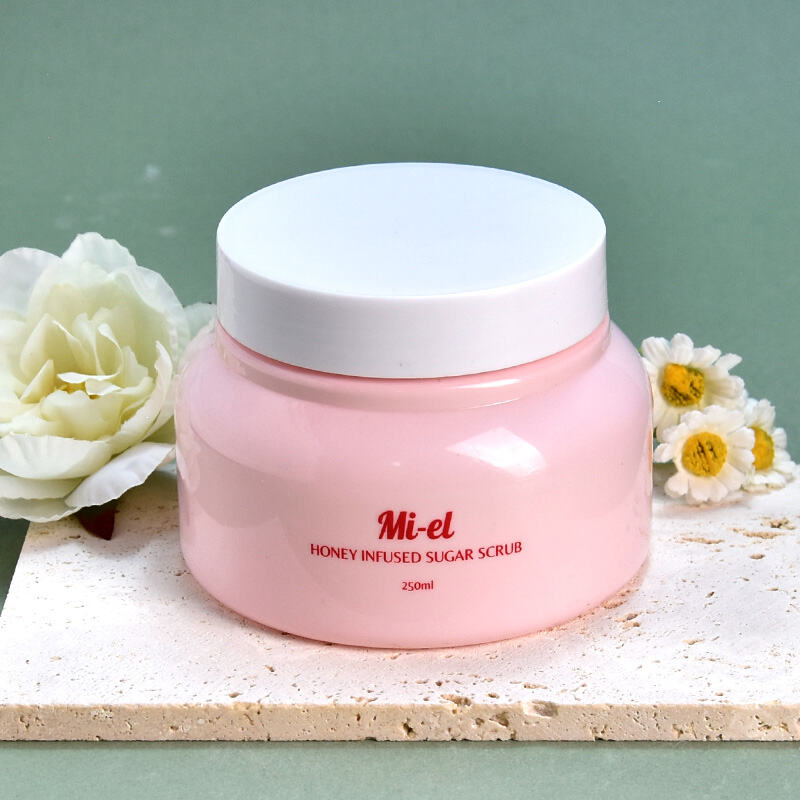
Why Sustainable Cosmetic Jars Are Essential for Brand Credibility and Compliance
Today’s beauty consumers expect brands to take a visible stand on environmental responsibility. A single packaging decision can shape consumer trust: 73% of shoppers say they would pay more for products with sustainable packaging (McKinsey 2023). Sustainable cosmetic jars directly signal a brand’s commitment to reducing waste—building credibility in an increasingly crowded market.
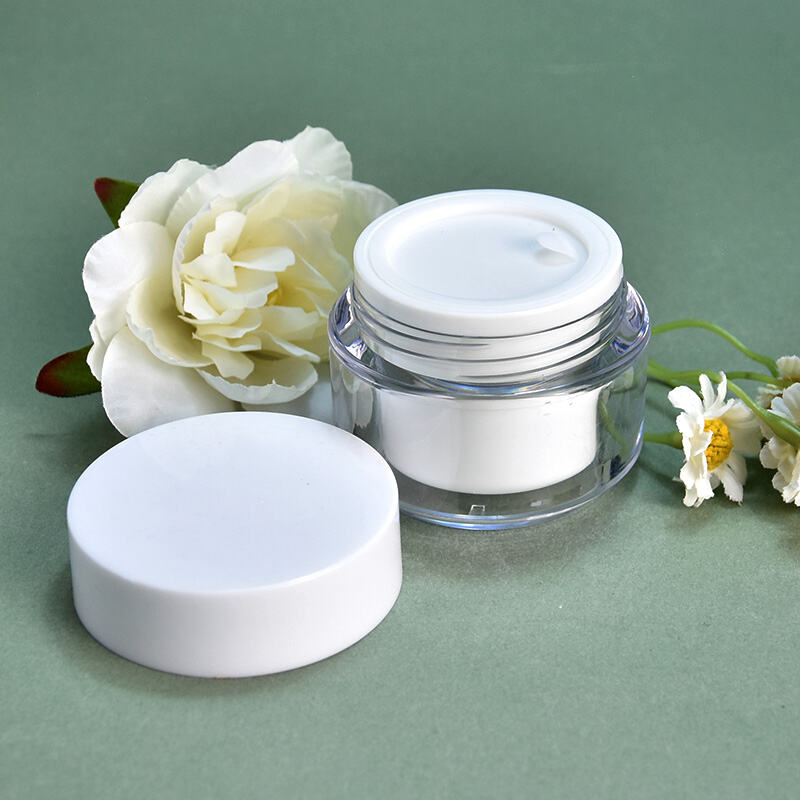
Beyond reputation, regulatory trends are tightening. The European Union’s Packaging and Packaging Waste Regulation (PPWR) and similar extended producer responsibility laws in North America now require brands to account for the full lifecycle of their packaging. Using recycled or recyclable materials in cosmetic jars helps companies stay ahead of compliance deadlines and avoid potential fines. Moreover, sustainable packaging has become a baseline expectation for retailers and distributors, who often prioritize vendors with verifiable environmental claims. Failure to adopt eco-friendly jars can lead to lost shelf space and negative press.
In short, incorporating sustainable cosmetic jars is no longer optional—it is a strategic necessity for maintaining brand integrity, meeting legal mandates, and retaining eco-conscious customers.
Material Options for Sustainable Cosmetic Jars: Performance, Sourcing, and Certifications
PCR plastics: balancing recyclability, clarity, and regulatory compliance (ISO 14021, FDA contact safety)
Post-consumer recycled (PCR) plastic serves as a cornerstone material for sustainable cosmetic jars, offering a measurable reduction in virgin resource demand. Brands sourcing high-quality PCR can achieve performance parity with virgin plastics in jar bodies, though clarity and color consistency remain common trade-offs. Compliance with ISO 14021 is essential for any recycled-content claim, ensuring that the percentage of PCR is accurately disclosed. For direct skin contact formulations, FDA guidance on recycled plastic safety must be verified, as contamination risks during the recycling stream can pose regulatory hurdles. Leading converters now offer PCR jars that maintain sufficient transparency for product visibility, closing the gap between sustainability goals and consumer expectations for premium aesthetics. The table below outlines key performance attributes:
| Attribute | PCR Plastic | Virgin Plastic |
|---|---|---|
| Recycled content | 30%–100% | 0% |
| Clarity | Moderate to high (blends improve) | Excellent |
| Supply chain stability | Variable by region | Consistent |
| Food-contact safety (FDA) | Requires PCR screening | Standard certified |
Bio-based alternatives — bamboo, PLA, mycelium, and PHA blends — evaluating barrier properties and formulation compatibility
Bio-based alternatives introduce renewable feedstocks that reduce reliance on fossil fuels—but each presents distinct trade-offs in barrier performance. Bamboo offers natural rigidity and a tactile luxury finish, though its moisture sensitivity limits use for water-based formulations. Polyactide (PLA) provides clear, compostable options, yet its low heat resistance and moderate oxygen barrier restrict its use to short-shelf-life or anhydrous products. Mycelium packaging delivers biodegradability and a unique aesthetic but requires a secondary liner for moisture and oil resistance. Polyhydroxyalkanoate (PHA) blends show promise for marine biodegradability and improved barrier compared to PLA, though commercial scalability remains limited.
For brands formulating with sensitive active ingredients, pairing a bio-based outer shell with a PCR plastic liner can extend product stability while maintaining a low-carbon footprint. Compatibility testing is critical—particularly for alkaline or oil-rich formulations that may degrade certain biopolymers over time.
Design Strategies That Maximize Sustainability: Refillable, Reusable, and Minimalist Systems
Lifecycle advantages of refillable glass and aluminum jars — verified carbon reduction and consumer retention data
Refillable systems for sustainable cosmetic jars offer clear lifecycle benefits. A shift from single-use to refillable glass or aluminum containers can slash packaging waste by up to 70% over five years. Verified lifecycle assessments show that a single durable aluminum jar reused ten times generates less than half the carbon footprint of ten disposable plastic jars—directly supporting compliance with tightening emissions regulations.
Beyond environmental gains, refillable models boost consumer retention. Brands that adopt refillable sustainable cosmetic jars often report higher repeat purchase rates, as customers value both the cost savings and the perceived luxury of a durable vessel. The initial investment in a high-quality glass or aluminum jar creates a sense of ownership, making users more likely to return for refills rather than switch to a competitor. This strategy effectively turns packaging from a cost center into a loyalty driver.
Real-World Success: How Leading Brands Scale Sustainable Cosmetic Jars
Leading beauty brands prove that integrating sustainable cosmetic jars into product lines builds credibility and drives repeat purchases. By rethinking packaging from a lifecycle perspective, companies achieve measurable reductions in waste and carbon emissions.
Ethique’s zero-waste model: compostable bamboo jars + solid formulations as a replicable blueprint
Ethique, a pioneer in solid beauty bars, pairs compostable bamboo jars with concentrated solid formulations. This eliminates water, preservatives, and liquid fill, cutting shipping weight by up to 80%. The bamboo containers are certified compostable, breaking down fully after use. The model is replicable because it simplifies sourcing and production: brands can source bamboo jars from certified suppliers and adapt solid formulas for creams, shampoos, or serums. Ethique’s success—diverting millions of plastic bottles from landfills—demonstrates that sustainable cosmetic jars can be both functional and profitable. The approach has inspired dozens of indie beauty brands to launch similar zero-waste lines. For brands aiming to scale, this blueprint offers a clear path to packaging that aligns with circular economy goals and evolving regulatory standards.
Ready to upgrade your skincare packaging with premium airless bottles? Partner with a 15-year cosmetic packaging manufacturer. Contact us today for a free sample and consultation.
FAQ
Why are sustainable cosmetic jars vital for brands?
Sustainable cosmetic jars enhance brand credibility, ensure compliance with tightening environmental regulations, and appeal to eco-conscious consumers and retailers.
What are PCR plastics, and why are they important?
Post-consumer recycled plastics reduce virgin material demand, maintain competitive packaging performance, and meet regulatory standards like ISO 14021 and FDA guidelines.
What are some bio-based material options for cosmetic jars?
Materials such as bamboo, PLA, mycelium, and PHA blends provide eco-friendly alternatives, although they require proper application for optimal performance.
What benefits do refillable systems offer?
Refillable glass or aluminum jars significantly reduce carbon footprints and waste, while enhancing consumer loyalty through cost savings and product owner satisfaction.
Can small brands implement sustainable cosmetic jars effectively?
Yes, brands like Ethique show that small brands can lead by adopting zero-waste models such as compostable bamboo jars paired with solid formulations.
Table of Contents
- Why Sustainable Cosmetic Jars Are Essential for Brand Credibility and Compliance
- Material Options for Sustainable Cosmetic Jars: Performance, Sourcing, and Certifications
- Design Strategies That Maximize Sustainability: Refillable, Reusable, and Minimalist Systems
- Real-World Success: How Leading Brands Scale Sustainable Cosmetic Jars
- FAQ