EN
EN


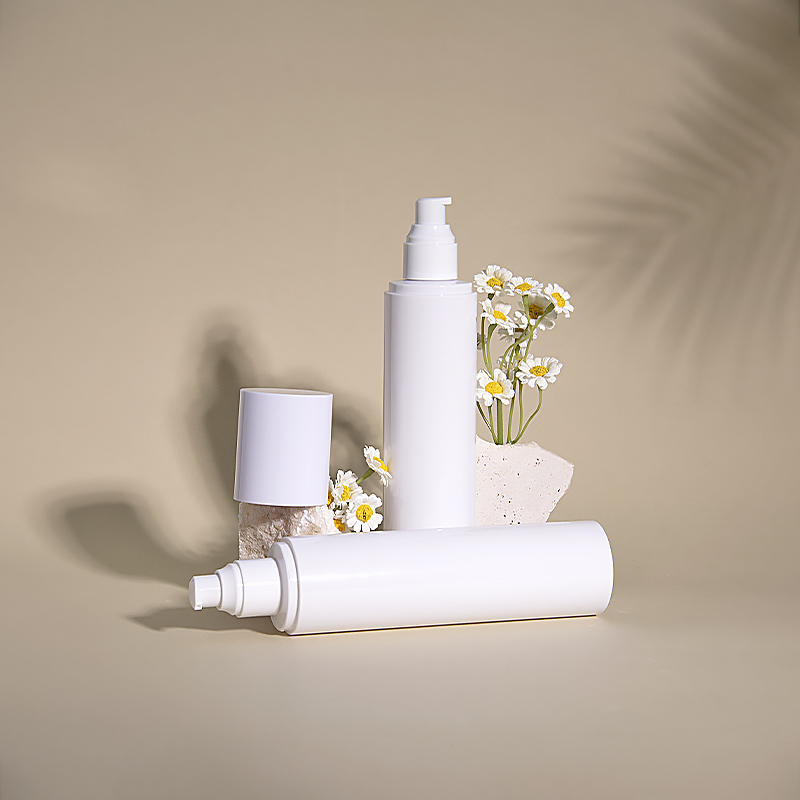
The global packaging landscape is shifting fast, and plastic cosmetic bottles remain one of the most widely used formats across skincare, haircare, and personal care categories. As we move through 2026, brands and procurement teams are facing a more complex set of decisions than ever before — balancing cost efficiency, material performance, regulatory pressure, and growing consumer demand for responsible packaging. Understanding the current state of plastic cosmetic bottles is essential for anyone sourcing, designing, or specifying packaging this year.
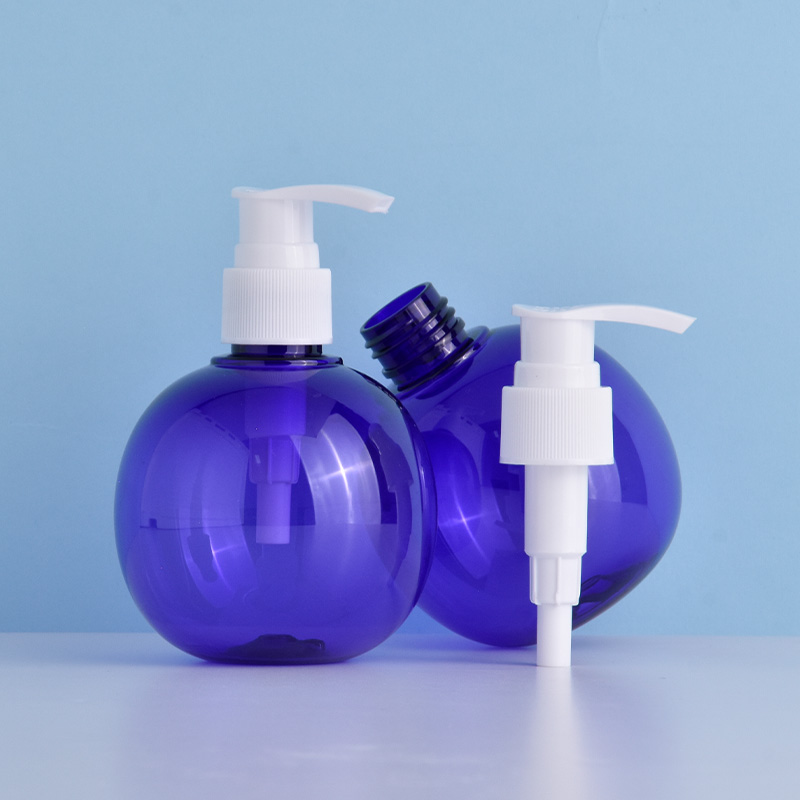
In 2026, plastic cosmetic bottles are not a single category but a diverse family of solutions defined by resin type, design function, and end-use application. This overview breaks down what matters most — from material choices and structural formats to sustainability direction and buyer considerations — so you can make well-informed decisions for your product lines.
Material Landscape for Plastic Cosmetic Bottles in 2026
PET Remains the Dominant Resin
Polyethylene terephthalate, known as PET, continues to lead the market for plastic cosmetic bottles in 2026. Its clarity, lightweight profile, chemical resistance, and established recycling infrastructure make it the default choice for a wide range of products, from toners and serums to body lotions and shampoos. PET plastic cosmetic bottles offer a clean, glass-like appearance that appeals to premium positioning without the fragility or shipping cost of actual glass.
Brands specifying plastic cosmetic bottles in PET also benefit from consistent wall thickness control, enabling both standard and customized shapes. rPET — recycled PET — has gained significant traction as a drop-in resin option for plastic cosmetic bottles, allowing brands to meet sustainability commitments without redesigning tooling or changing the user experience.
HDPE, PP, and Emerging Alternatives
High-density polyethylene (HDPE) and polypropylene (PP) remain relevant for plastic cosmetic bottles where opacity, squeeze functionality, or chemical compatibility is the priority. HDPE plastic cosmetic bottles are common in body wash, hand cream, and sunscreen applications where the formula requires a more neutral barrier. PP is favored for airless pump formats and disc-cap bottles where rigidity under repeated use is critical.
Beyond these established resins, 2026 has seen increased interest in bio-based plastics for plastic cosmetic bottles. Materials partially derived from sugarcane or corn starch are entering commercial production runs, though cost premiums and limited recycling compatibility remain challenges. For most mid-volume and high-volume buyers, conventional PET and HDPE plastic cosmetic bottles still offer the best balance of performance and cost.
Design and Format Trends Shaping Plastic Cosmetic Bottles
Minimalism, Mono-Material Design, and Refillability
The design direction for plastic cosmetic bottles in 2026 is firmly toward simplicity. Mono-material construction — where the bottle, closure, and inner components are made from the same resin family — is rapidly becoming a specification requirement rather than a preference. Mono-material plastic cosmetic bottles are easier to recycle because sorting facilities can process them without disassembly. Brands that lock in mono-material plastic cosmetic bottles now are also better positioned for extended producer responsibility regulations taking effect across multiple markets.
Refillable formats are another growing category within plastic cosmetic bottles. These designs use thicker wall sections, reinforced neck finishes, and durable closures engineered for repeated use cycles. Refillable plastic cosmetic bottles serve both as a consumer engagement tool and a tangible reduction in total packaging material per unit sold. Several mid-to-large cosmetic brands have launched refill programs built around plastic cosmetic bottles designed specifically for this purpose.
Functional Neck and Closure Integration
The neck profile and closure system of plastic cosmetic bottles have become increasingly important differentiators in 2026. Long-neck formats allow for more controlled dispensing and are visually distinctive on shelf. Lotion pumps, fine-mist sprayers, and disc-top caps integrated with plastic cosmetic bottles are specified not only for functionality but also for tactile quality, since closure feel is closely linked to perceived product value.
Procurement teams sourcing plastic cosmetic bottles should evaluate closure compatibility carefully. A closure that does not maintain an airtight seal on plastic cosmetic bottles will compromise formula stability and lead to consumer complaints. Specifying plastic cosmetic bottles and closures from the same development cycle reduces fitment errors and shortens validation timelines.
Sustainability and Regulatory Context for Plastic Cosmetic Bottles
What Regulations Are Shaping Sourcing Decisions
Regulatory environments across Europe, the United States, and parts of Asia-Pacific are directly influencing how plastic cosmetic bottles are specified and purchased in 2026. The EU Packaging and Packaging Waste Regulation is driving minimum recycled content requirements, affecting all plastic cosmetic bottles sold in EU markets. Brands that fail to adapt their plastic cosmetic bottles portfolios face compliance risk and potential market access issues.
Extended producer responsibility schemes are expanding, meaning brands are increasingly financially accountable for end-of-life processing of plastic cosmetic bottles. This creates a direct incentive to specify plastic cosmetic bottles made from materials that are technically recyclable and accepted by local recovery systems. Buyers sourcing plastic cosmetic bottles across multiple markets need to audit recyclability by geography, not just by material type.
Practical Steps for Responsible Sourcing
Responsible sourcing of plastic cosmetic bottles in 2026 does not require sacrificing performance or dramatically increasing cost. Starting with rPET or mono-material designs for plastic cosmetic bottles is the most practical first step for most brands. Requesting material data sheets and recyclability assessments from suppliers of plastic cosmetic bottles helps verify claims before they appear on product labels or marketing materials.
It is also worth reviewing minimum order quantities and lead times when sourcing plastic cosmetic bottles, as sustainability-focused resins sometimes have tighter supply windows. Maintaining two qualified suppliers for core plastic cosmetic bottles formats reduces risk and allows flexibility during peak production cycles. Brands that treat plastic cosmetic bottles sourcing as a strategic function — rather than a commodity procurement task — are better positioned to navigate both regulatory and market changes.
FAQ
What is the most recyclable resin for plastic cosmetic bottles?
PET is currently the most widely recyclable resin for plastic cosmetic bottles in most markets. It is accepted by the majority of curbside recycling programs globally. When sourcing plastic cosmetic bottles, specifying clear PET with no colorant additives further improves recyclability, as colored or opaque PET plastic cosmetic bottles may be sorted out by automated recovery systems.
How do I choose between PET and HDPE for plastic cosmetic bottles?
The choice between PET and HDPE for plastic cosmetic bottles depends primarily on formula compatibility, desired aesthetics, and functional requirements. PET plastic cosmetic bottles offer clarity and are ideal for water-based formulas. HDPE plastic cosmetic bottles are better suited for oil-rich or more aggressive formulations and applications where a squeezable format is needed. Request compatibility testing when introducing new formulas into existing plastic cosmetic bottles.
Are refillable plastic cosmetic bottles cost-effective at scale?
Refillable plastic cosmetic bottles typically carry a higher upfront unit cost due to thicker walls and more robust closure engineering. However, over the lifecycle of a refill program, plastic cosmetic bottles designed for multiple use cycles reduce total packaging cost per consumer unit. Brands running structured refill programs with plastic cosmetic bottles report both cost recovery and measurable gains in consumer loyalty, making the format commercially viable at moderate to high volume.