EN

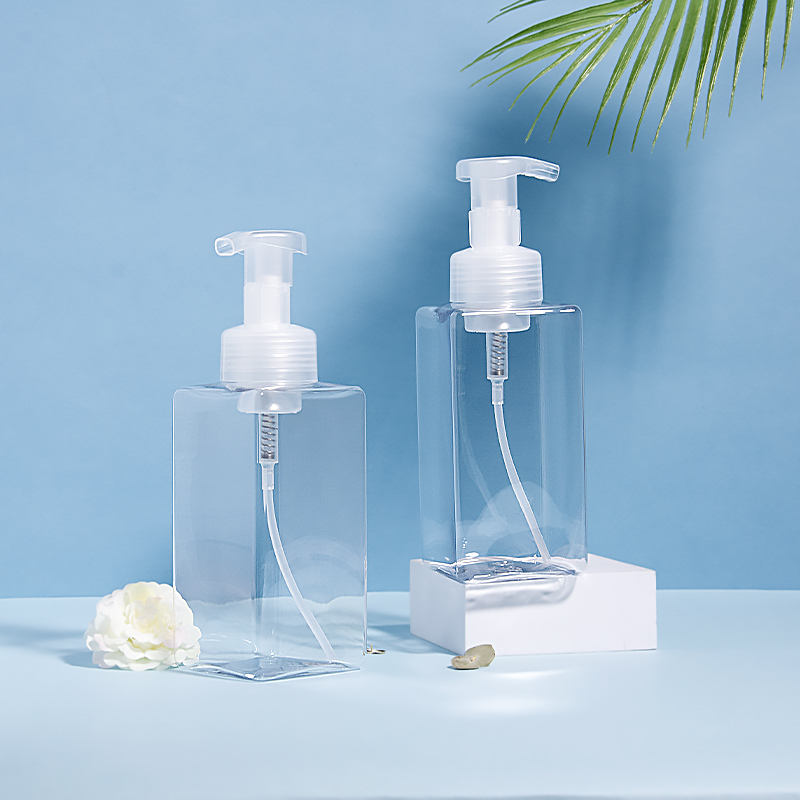
A custom foam bottle project involves more than choosing a container shape. Buyers need to coordinate the bottle body, foaming pump, formula, decoration, and filling process so the finished package works as a complete dispensing system. Early discussions with cosmetic packaging manufacturers can help clarify which designs are practical for the intended product, target market, and production scale.
A foam bottle uses a dedicated foaming pump to combine liquid with air during dispensing. This means that pump selection, formula characteristics, and bottle specifications all influence the final foam output. Before requesting samples or approving production, buyers should define the product requirements and evaluate the complete package rather than focusing on appearance alone.
This guide explains how to prepare a packaging brief, select materials and dispensing components, review customization options, and test samples before placing a bulk order.
1. Define the Product and Dispensing Requirements
Match the Foaming Pump to the Formula
A foaming pump is designed to mix liquid with air as the actuator is pressed, producing foam at the dispensing outlet. The formula therefore plays an important role in pump performance. Before selecting a custom foam bottle, share the product's viscosity, ingredients, intended use, and any known compatibility requirements with the packaging supplier.
Buyers should also specify the expected foam texture, dispensing volume per press, and frequency of use. A facial cleanser, hand wash, and hand sanitizer may have different dispensing requirements, even when they use similar bottle capacities.
Ask the supplier to confirm the proposed pump configuration and whether it has been tested with a comparable formula. A pump that fits the bottle neck does not automatically guarantee consistent foam output. The complete dispensing system needs to be evaluated with the intended liquid.
Set Capacity and Handling Priorities
Choose bottle capacity according to the product's usage pattern and distribution channel. A travel-size facial cleanser may require a compact package, while a foam hand wash for household or commercial use may need a larger container.
Consider the following design requirements:
Capacity and overall bottle dimensions
Bottle shape and grip comfort
Base stability during repeated dispensing
Pump height and actuator design
Label area and decoration position
Compatibility with filling and packaging equipment
The dispensing mechanism also needs to match the product. A foaming pump is different from a conventional lotion pump or spray head, so buyers should not treat these components as interchangeable. Confirm the pump type, neck finish, and assembly requirements before approving a bottle design.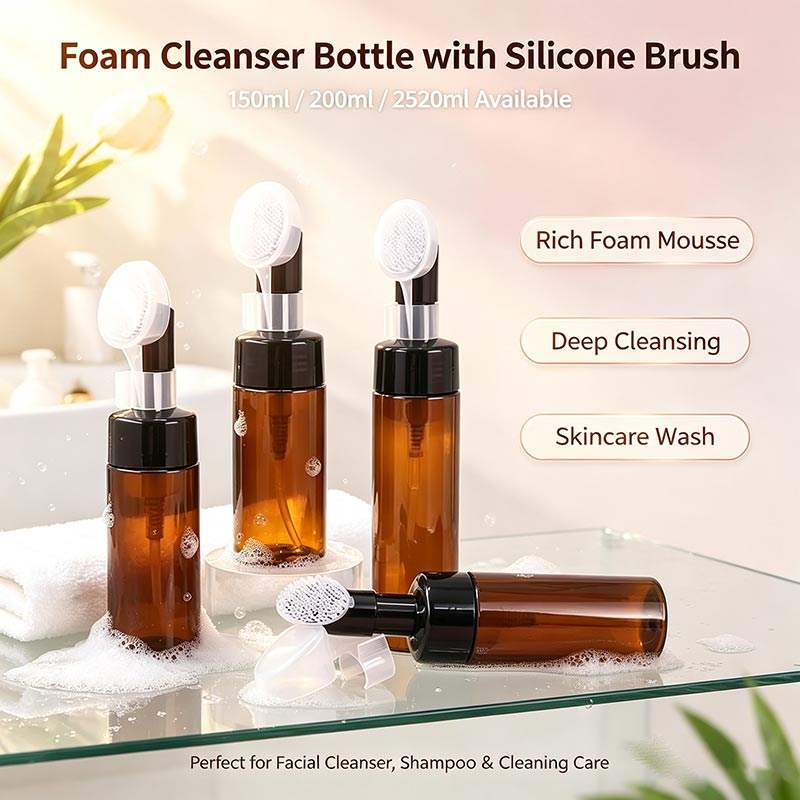
2. Specify Materials, Design, and Customization
Prepare a Detailed Packaging Brief
A clear packaging brief gives the supplier a consistent reference for design proposals, quotations, drawings, and samples. Include the following information:
| Requirement | Details to Confirm |
|---|---|
| Product application | Facial cleanser, hand wash, hand sanitizer, or other foam product |
| Formula | Viscosity, ingredients, and compatibility considerations |
| Capacity | Target volume and preferred dimensions |
| Bottle material | Proposed material and required properties |
| Pump | Foaming pump type, color, and dispensing requirements |
| Appearance | Transparent, frosted, colored, or other finish |
| Decoration | Logo, label, printing, or hot stamping |
| Order plan | Estimated quantity, target MOQ, and delivery schedule |
For a custom foam bottle, state whether you prefer a transparent body, a particular shape, or a specific pump appearance. If you have a reference sample or existing packaging, provide it to help the supplier understand the required dimensions and visual details.
Material selection should consider formula compatibility, bottle structure, appearance, and the intended filling process. PET, PP, and other plastics have different characteristics and processing requirements. Ask the supplier to identify the proposed material for each component rather than assuming the bottle body and pump use the same resin.
Review Bottle Structure and Decoration Options
Bottle shape, transparency, color, and surface treatment affect both brand presentation and manufacturing complexity. Buyers can consider a standard bottle design with customized colors or decoration, or discuss a more distinctive structure if the project requires further development.
RUNK's RK09BT500C 500ml foam mousse bottle is one example of a foam packaging option. The product listing specifies a 500ml capacity, PP + PET materials, a pump dispenser, and customized color options. It also lists a 5,000-piece MOQ and a 25–30-day lead time. These are model-specific details and should be reconfirmed when requesting a quotation.
Depending on the selected design, customization may include:
Transparent or customized bottle colors
Silk screen printing and hot stamping
Product labels and logo decoration
Matte, glossy, or frosted surface effects
Customized pump styles and colors
Confirm which decoration methods are available for the selected bottle material and structure. Also ask whether the chosen finish requires additional production steps, sample approval, or a different order quantity.
Understand Manufacturing and Production Requirements
The manufacturing process affects dimensional consistency, appearance, and the final assembly of the package. Ask the supplier which production processes are used for the proposed bottle design and how the pump and bottle components are assembled.
For customized projects, clarify whether the design uses an existing mold or requires new mold development. If new tooling is necessary, discuss mold costs, ownership, sample revisions, and the approval process before moving forward.
Buyers should also confirm how color matching, printing position, component assembly, and appearance standards will be controlled during production. These details are particularly important when the package includes several customized components.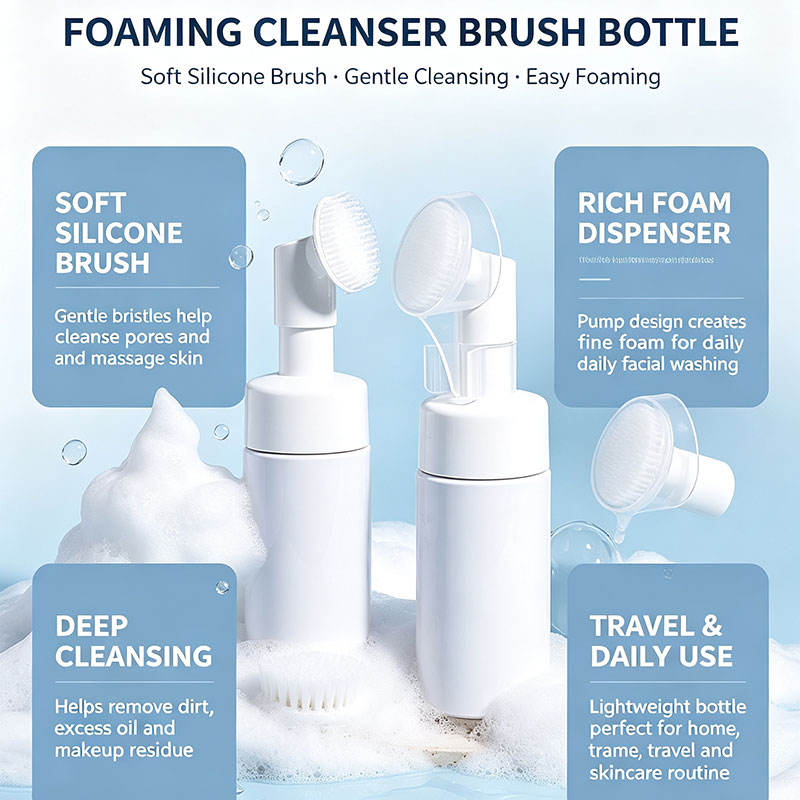
3. Validate Samples Before Approving Production
Test the Complete Package with the Intended Formula
An empty bottle or visual sample cannot demonstrate how the finished product will dispense. Where feasible, fill the proposed package with the actual formula and evaluate it under realistic use conditions.
For a custom foam bottle, review:
Pump priming and initial dispensing
Foam consistency and texture
Output volume per press
Pump recovery after repeated use
Leakage around the pump and bottle neck
Closure security during handling
Ease of use and dispensing comfort
Record the test conditions and results so that different samples can be compared consistently. If the formula is changed after sample approval, repeat the relevant compatibility and dispensing checks before mass production.
Include Filling, Storage, and Transport Checks
Packaging approval should cover more than consumer use. The bottle also needs to work with the filling line, capping or pump assembly process, labeling equipment, and export packing method.
Check whether the bottle dimensions and neck specifications suit the filling equipment. Confirm that the pump can be assembled consistently and that the label area provides sufficient space for branding and required product information.
For storage and transportation, assess the filled package for leakage, deformation, pump movement, and visible surface changes under conditions relevant to the supply chain. The test method should reflect the product, packaging design, and expected distribution environment rather than relying on a generic checklist.
Establish Sample Approval and Acceptance Standards
Before authorizing bulk production, document the approved sample and its key specifications:
Bottle model, material, and capacity
Bottle dimensions and neck finish
Foaming pump model and color
Formula used for sample testing
Color reference and decoration details
Acceptable appearance and dimensional tolerances
Inspection requirements and approval records
Keep a traceable reference sample or an equivalent approval record. This gives the purchasing and quality teams a clear basis for comparing production batches with the agreed package.
4. Confirm Bulk Order and Quality-Control Arrangements
Clarify MOQ, Lead Time, and Quotation Details
Request a written quotation that identifies the bottle, pump, decoration, packaging, and any additional tooling or sampling costs. Confirm whether the MOQ applies to each model, color, or customized configuration.
Production timing should also be clearly defined. Ask when the lead time begins and whether artwork approval, sample confirmation, or component sourcing affects the schedule. Do not assume that the sample preparation period and mass-production lead time are the same.
For reference, RUNK lists a 5,000-piece MOQ and a 25–30-day lead time for the RK09BT500C 500ml foam bottle. Actual order conditions should be confirmed against the final design, quantity, and production schedule.
Review Quality-Control Procedures
Ask how the supplier checks raw materials, bottle dimensions, decoration, pump assembly, and finished products. A documented quality-control process helps buyers understand how production requirements are monitored and how deviations are handled.
RUNK describes quality procedures that include pre-production sample approval, confirmed inspection standards, process inspections, and final inspection. Its website also outlines incoming material checks and quality inspections during production. Buyers should agree on the inspection scope and acceptance criteria for their own project rather than relying only on a general description of factory procedures.
Before production, confirm who approves samples and artwork, who authorizes specification changes, and how inspection results are recorded. Any substitution involving the bottle material, pump, color, or decoration should be communicated and approved before implementation.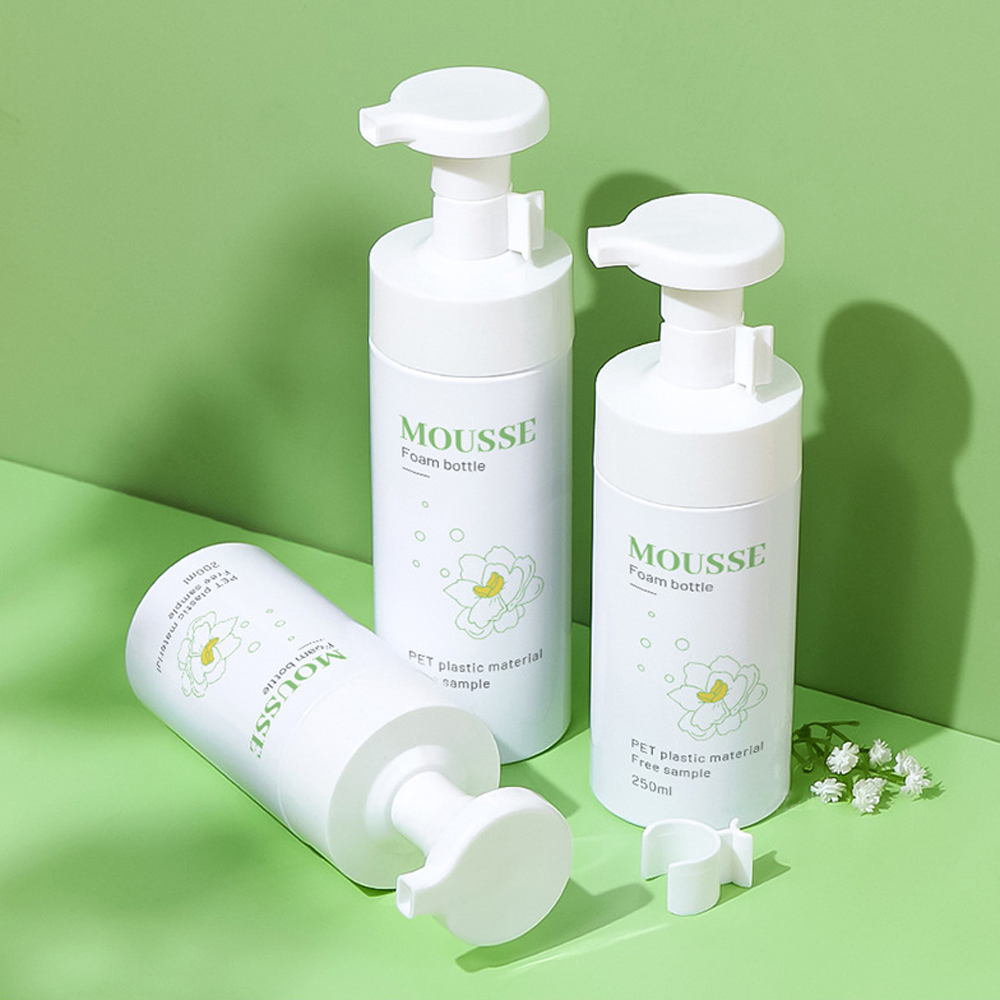
FAQ
How does a custom foam bottle work?
A foam bottle uses a dedicated foaming pump that combines liquid with air during dispensing. The pump produces foam through its dispensing mechanism, so the formula and pump configuration need to be evaluated together. Buyers should test the intended liquid in the proposed package before approving production.
Can any liquid formula be used in a foam bottle?
No. Formula viscosity, ingredients, and other characteristics can affect dispensing and foam formation. Share the formula requirements with the packaging supplier and test the complete bottle-and-pump system with the intended product.
What information should buyers provide when requesting a custom foam bottle?
Provide the product application, formula details, target capacity, material preferences, bottle design, pump requirements, decoration, estimated order quantity, and delivery expectations. Reference samples or drawings can also help suppliers assess the project more accurately.
What is the typical MOQ for a custom foam bottle?
MOQ depends on the bottle model, material, color, pump configuration, and decoration requirements. For example, RUNK lists a 5,000-piece MOQ for its RK09BT500C 500ml foam bottle. Buyers should request confirmation for the exact customized configuration.
How should buyers test a foam bottle sample?
Fill the sample with the intended formula and evaluate pump priming, foam consistency, dispensing volume, repeated operation, and leakage. Also check bottle stability, closure security, filling-line compatibility, and packaging performance during storage and transport.
What should be confirmed before mass production?
Confirm the approved bottle and pump specifications, material, color, decoration, sample test results, MOQ, lead time, inspection criteria, and packing requirements. Keep the approved sample and written specification as references for production and final acceptance.
Table of Contents
- 1. Define the Product and Dispensing Requirements
- 2. Specify Materials, Design, and Customization
- 3. Validate Samples Before Approving Production
- 4. Confirm Bulk Order and Quality-Control Arrangements
-
FAQ
- How does a custom foam bottle work?
- Can any liquid formula be used in a foam bottle?
- What information should buyers provide when requesting a custom foam bottle?
- What is the typical MOQ for a custom foam bottle?
- How should buyers test a foam bottle sample?
- What should be confirmed before mass production?