EN
EN

Aesthetic and Sensory Impact: How Cosmetic Jar Materials Shape Brand Perception
Material finish, weight, and tactile feedback as silent brand ambassadors
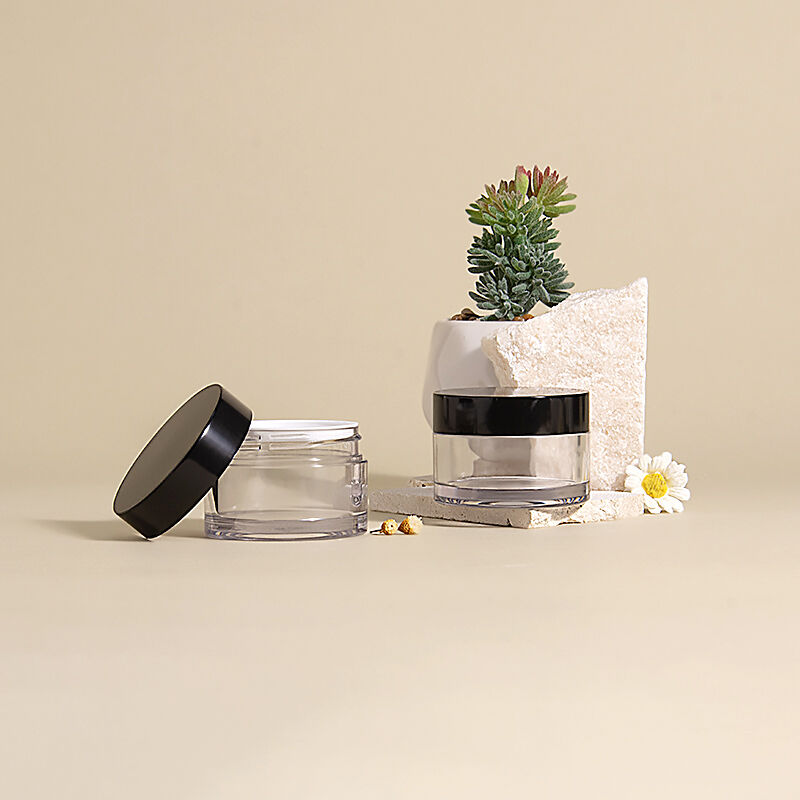
What a cosmetic jar is made of tells consumers a lot even before they open it up. The way it feels, how heavy it is, and what it looks like all work together to say something about quality and brand values. Matte glass jars feel fancy because of their smooth, almost velvety touch and how they scatter light differently than regular glass. Brushed aluminum has this cold, shiny look that makes people think of labs or high tech stuff. People tend to connect heavier jars with better products, which is why so many luxury brands go for thick glass. Lighter options like plastic are great for travel but don't scream premium. Little details matter too. A jar with ridges on it feels handcrafted somehow, while totally smooth surfaces seem modern and advanced. According to Acumen Packaging from 2024, these physical characteristics actually affect about nine out of ten buying decisions right when someone picks up the product. That's why picking the right materials isn't just about function anymore, it's part of telling the brand story.
Case study: Glossier’s frosted glass cosmetic jar – aligning material choice with minimalist luxury positioning
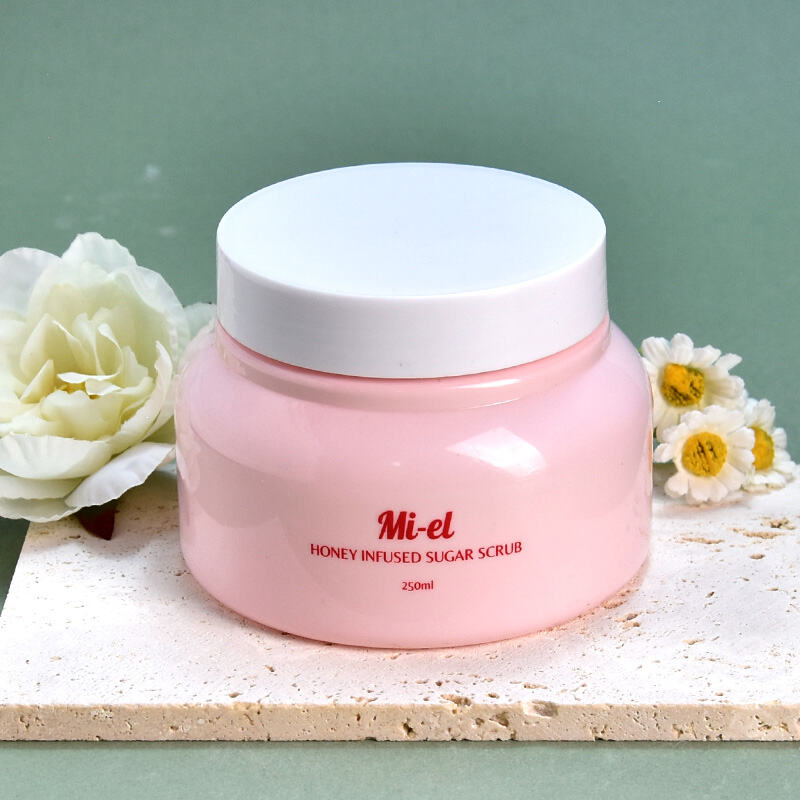
Glossier's frosted glass jars really show how materials and brand identity work together. The translucent look hits three key senses at once: it lets light scatter around the product making everything glow nicely (which makes things look better visually), gives the container good heft without being too heavy (makes people think it's premium stuff), and feels cool when touched (reminds folks of medical products). They ditched metals and plastics entirely, so these jars match Glossier's whole "skin first" approach pretty well. No fancy designs or shiny surfaces just simple shapes and matte finishes everywhere. Customers who care about packaging tend to stick around longer too. Some market research from Dela in 2023 found that people sensitive to packaging details bought again about 27% more often than others. These plain glass containers basically become a physical statement about what clean beauty means today, showing how picking the right materials can turn something as basic as a makeup jar into part of the overall brand experience.
Functional Integrity: Barrier Performance and Product Preservation in Cosmetic Jars
Oxygen and moisture barrier benchmarks: comparing glass, aluminum, PET, and HDPE for sensitive formulations
What material goes into making a cosmetic jar makes all the difference when it comes to keeping formulations fresh. Glass containers are practically airtight, letting through less than 0.001 cubic centimeters of oxygen per package per day, which is why they're so great for protecting sensitive ingredients like retinoids that get ruined by air exposure. Aluminum jars offer excellent protection too, though manufacturers need to line them properly to avoid reactions with acidic products. PET plastic lets about 0.1 to 0.5 cc of oxygen in daily, good enough for basic moisturizers but not recommended for richer oils or creams. HDPE plastic does block moisture well, but it's terrible at stopping oxygen transfer, allowing over 30 cc per day to seep through. This means antioxidants stored in HDPE containers lose potency much quicker than those in glass jars. Recent tests from 2023 showed vitamin E serums degraded eight times faster when packaged in HDPE compared to glass storage, highlighting just how critical container choice really is for product longevity.
Comparative Barrier Performance:
| Material | Oxygen Transmission Rate (cc/pkg/day) | Moisture Barrier | Best For |
|---|---|---|---|
| Glass | <0.001 | Excellent | Retinoids, volatile oils |
| Aluminum | 0 | Excellent | Anhydrous formulations |
| PET | 0.1–0.5 | Good | Water-based emulsions |
| HDPE | 30+ | Moderate | Non-reactive products |
UV protection and actives stability: why amber glass and metallized plastics outperform clear PET in sunscreen and vitamin C serums
Products that react to light need special protection from UV radiation. Standard clear plastic bottles only stop around 10% of harmful UV light, which means formulas start breaking down much faster. Take vitamin C serums for example these can lose almost half their effectiveness within three months when stored in transparent containers. Amber glass bottles are much better at this job since they block about 90% of those damaging rays. Some advanced plastic options go even further, using coatings with aluminum oxide to reflect nearly all UV light away. Recent research from 2024 shows interesting results too sunscreen ingredients such as avobenzone last significantly longer in amber colored jars compared to clear ones. When dealing with sensitive ingredients, how opaque the container is makes a real difference in shelf life. Without proper UV protection, botanical extracts tend to produce roughly 70% more unwanted oxidation byproducts over time, compromising both quality and effectiveness.
Regulatory Compliance and Safety: Meeting Global Standards for Cosmetic Jar Materials
FDA 21 CFR and EU Cosmetics Regulation requirements for migration, extractables, and food-contact equivalency
Cosmetic jars have to deal with pretty strict rules around the world when it comes to material testing. The main concerns are migration, which means stuff from the jar getting into the product itself, and extractables, those chemicals that might come out when exposed to heat or other stresses. According to FDA regulations in 21 CFR, everything used must be equivalent to what's allowed for food contact materials. Basically, this means makeup containers need to pass similar safety tests as actual food packaging does. Makes sense really, especially for things like lip balms or oils where ingredients can react with container materials and create contamination problems down the line.
The EU Cosmetics Regulation (EC No 1223/2009) imposes even stricter benchmarks, including specific migration limits for heavy metals like lead (€ 10 ppm) and cadmium (€ 0.1 ppm), mandatory extractables testing for all primary packaging components, and explicit compliance with EU's food-contact material directive (EC 1935/2004).
| Regulation | Migration Testing | Extractables Protocol | Food-Contact Equivalency |
|---|---|---|---|
| FDA 21 CFR | GRAS substance-based thresholds | Required for novel materials | Indirect enforcement |
| EU Cosmetics Reg. | Phthalate/heavy metal caps | Mandatory for all materials | Explicit requirement |
Non-compliance risks product recalls–FDA data shows a 15% rise in packaging-related recalls in 2023. Brands must conduct accelerated aging tests and chromatography analysis to verify material stability, especially for preservative-free formulations where packaging becomes the primary contamination barrier.
Sustainability Strategy: Balancing Recyclability, PCR Content, and Emerging Bio-Materials in Cosmetic Jars
rPET adoption trends vs. PLA limitations: real-world recyclability rates and sorting infrastructure realities
When it comes to picking eco-friendly materials for those cosmetic jars, brands really have their work cut out for them. Most companies go with post consumer recycled plastics these days, especially rPET because it actually gets recycled pretty well. Around 30% of this stuff makes it back into production in places where they have good sorting systems already set up. But then there's polylactic acid or PLA, which is made from plants and advertised as something that can be composted. The problem? Less than 10% of PLA packaging actually ends up at industrial composting sites. Why? Because most areas just don't have the infrastructure needed to handle it properly.
Material realities further complicate choices:
- rPET offers higher rigidity for protective packaging but requires virgin plastic blending to maintain clarity in transparent jars
- PLA preserves product integrity for sensitive formulations yet becomes brittle below 10°C, risking cracks during transit
PCR plastic demand has surged by 60% since 2019 among beauty brands, yet material availability remains constrained. Emerging bio-materials like algae-based polymers show promise for carbon neutrality but currently suffer from batch inconsistency and high costs.
Material recycling performance comparison:
| Material | Avg. Recyclability Rate | Sorting Compatibility | PCR Content Potential |
|---|---|---|---|
| rPET | 30–45% | Widely supported | Up to 100% |
| PLA | <10% | Limited facilities | 0% |
| HDPE | 25–40% | High compatibility | Up to 80% |
Future-proofing requires investing in mono-material designs and advocating for upgraded municipal sorting technology–key steps to close the loop responsibly.
Frequently Asked Questions
What factors influence a consumer's perception of a cosmetic jar?
Customers often judge a cosmetic jar based on material finish, weight, tactile feedback, and aesthetics, which collectively communicate quality and brand values.
Why are Glossier's frosted glass jars considered effective for brand identity?
Glossier's frosted glass jars complement their minimalist luxury branding by being visually appealing, premium in heft, and offering a tactile feedback that aligns with their clean beauty approach.
Why is glass considered the best material for preserving sensitive cosmetic formulations?
Glass has a minimal oxygen transmission rate, making it excellent for protecting sensitive ingredients from degradation due to air exposure.
Which materials provide the best UV protection for sensitive products like sunscreen and vitamin C serums?
Amber glass and metallized plastics outperform clear PET by providing superior UV protection, significantly extending the shelf life of sensitive ingredients.
What regulatory requirements must cosmetic jar materials meet?
Materials must adhere to both FDA and EU standards related to migration, extractables, and food-contact equivalency to ensure safety and compliance.
What are the challenges associated with using PLA for cosmetic packaging?
PLA faces real-world limitations due to low industrial composting rates and a lack of sufficient sorting infrastructure, making it less viable compared to rPET.
Table of Contents
- Aesthetic and Sensory Impact: How Cosmetic Jar Materials Shape Brand Perception
- Functional Integrity: Barrier Performance and Product Preservation in Cosmetic Jars
- Regulatory Compliance and Safety: Meeting Global Standards for Cosmetic Jar Materials
- Sustainability Strategy: Balancing Recyclability, PCR Content, and Emerging Bio-Materials in Cosmetic Jars
-
Frequently Asked Questions
- What factors influence a consumer's perception of a cosmetic jar?
- Why are Glossier's frosted glass jars considered effective for brand identity?
- Why is glass considered the best material for preserving sensitive cosmetic formulations?
- Which materials provide the best UV protection for sensitive products like sunscreen and vitamin C serums?
- What regulatory requirements must cosmetic jar materials meet?
- What are the challenges associated with using PLA for cosmetic packaging?